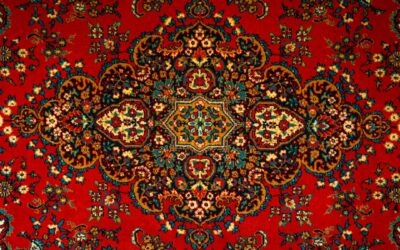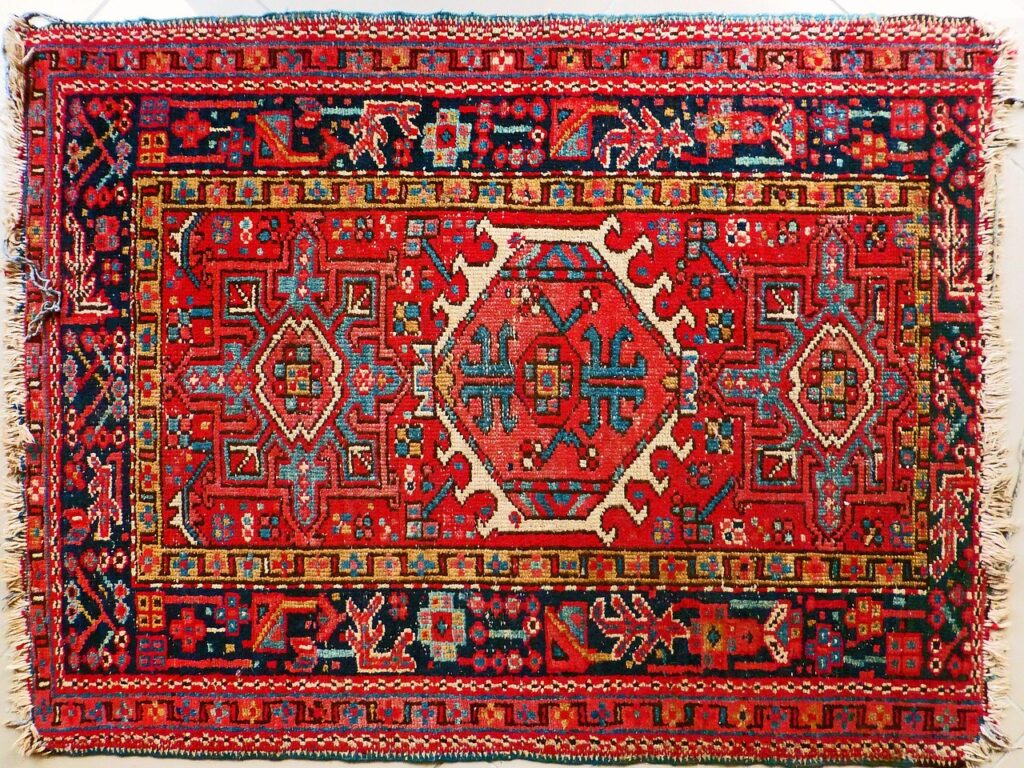
Few floor coverings carry as much warmth and history as a red Persian rug, and that deep madder red is not an accident of fashion but a tradition reaching back centuries. The color came originally from the madder plant root, which produces everything from soft brick to rich crimson depending on the dye process. Whether you are buying your first hand-knotted piece or trying to understand the rug you inherited, this guide explains what makes these rugs special and how to choose and care for one.
What Makes a Persian Rug Persian
A true Persian rug is hand-knotted in Iran, often over many months, using techniques tied to specific weaving regions such as Tabriz, Kashan, Heriz, and Isfahan. Each region has its own knot density, motifs, and palette. The red field you see is frequently paired with navy, ivory, and gold, creating the dense, intricate look these rugs are known for.
Machine-made rugs and Persian-style imports from other countries can be lovely and affordable, but they are not the same product. If authenticity matters to you, ask where the rug was woven and whether it is hand-knotted.
How to Spot Quality
You do not need to be an expert to gauge a rug’s quality with a few simple checks. Higher knot counts generally mean finer detail and a longer life.
- Flip it over: On a hand-knotted rug, the pattern is visible on the back, and you can see individual knots. A printed or glued backing signals a machine-made piece.
- Check the knot density: More knots per square inch, often 120 to 400-plus, indicate finer work and crisper patterns.
- Feel the pile: Wool should feel slightly oily and resilient, springing back when pressed. Silk accents add sheen and value.
- Look at the dyes: Natural dyes show subtle variation called abrash, a sign of authenticity rather than a flaw.
Choosing the Right Size and Placement
A red Persian rug commands attention, so let it define the room. In a living room, aim for a rug large enough that at least the front legs of all seating sit on it, which ties the arrangement together. Common sizes are 8-by-10 and 9-by-12 feet for living rooms, and 5-by-8 feet for cozier spaces or under a coffee table.
Under a dining table, choose a rug that extends at least 24 inches beyond the table on all sides so chairs stay on the rug when pulled out. A long runner of 2.5 by 8 feet works beautifully in an entry hall or down a corridor.
Styling a Red Persian Rug
The richness of the red field means you should keep surrounding colors calm. Creamy whites, soft grays, warm wood tones, and deep blues all let the rug breathe. Contrary to the assumption that ornate rugs only suit traditional rooms, a red Persian rug looks striking in a modern space, grounding minimalist furniture with texture and history.
Layer it over a larger natural-fiber rug like jute for a current, collected look. In a bedroom, position part of the rug under the bed so warm wool greets your feet in the morning.
Caring for Wool and Natural Dyes
Wool is naturally stain-resistant, but a few habits keep a Persian rug beautiful for generations. Rotate it 180 degrees once or twice a year so foot traffic and sunlight wear it evenly. Vacuum regularly without a rotating beater bar, which can pull and fray knots; use suction only or a brush attachment.
Blot spills immediately with a clean white cloth, working from the outside in, and avoid harsh chemicals that strip natural dyes. For a deep clean every few years, hire a professional who specializes in hand-knotted rugs rather than running it through a steam cleaner.
Protecting Against Wear and Moths
Use a quality rug pad underneath. A pad prevents slipping, cushions the pile, and reduces abrasion from the floor below, which extends the rug’s life considerably. Keep wool rugs away from prolonged direct sun to prevent fading, and move furniture occasionally so the pile does not crush permanently in one spot.
Moths love undisturbed wool. Vacuum the back and the floor beneath periodically, and if you store the rug, clean it first, wrap it in breathable fabric rather than plastic, and add cedar or a moth deterrent.
What to Expect to Pay
Prices range enormously. A small machine-made Persian-style rug might cost $100 to $400, while an authentic hand-knotted wool piece runs anywhere from $800 to several thousand dollars depending on size, age, and knot density. Fine silk or antique rugs can reach five figures. Treat a genuine hand-knotted rug as an investment that can be repaired, recolored, and passed down rather than a disposable furnishing.
Antique Versus New Rugs
You will see both antique and newly woven red Persian rugs, and each has its appeal. Antique rugs, generally those over a century old, carry history, softened colors, and a patina that new rugs cannot fake, and well-kept examples can hold or grow in value. They may also show honest wear, which many collectors prize. New hand-knotted rugs offer fresh, vibrant color, full pile, and a lower entry price, and they will develop character over the years you own them.
If you are buying for daily use in a busy home, a sturdy new or semi-antique wool rug is practical and forgiving. If you are buying as an heirloom or investment, a documented antique from a reputable dealer is worth the premium.
Where to Buy With Confidence
Buy from a seller who will answer specific questions about origin, age, materials, and knot count, and who offers a return window. Reputable rug dealers, established auction houses, and specialty importers are safer than anonymous online listings with vague descriptions. Ask whether the rug is hand-knotted, where it was woven, and whether the dyes are natural. A trustworthy seller welcomes these questions and can show you the back of the rug as proof of construction.
Final Thoughts
A red Persian rug brings color, craftsmanship, and a sense of permanence to a home. Buy the best quality your budget allows, size it generously, protect it with a pad, and care for it gently. Done right, it will outlast every other piece in the room and look even better with age.