
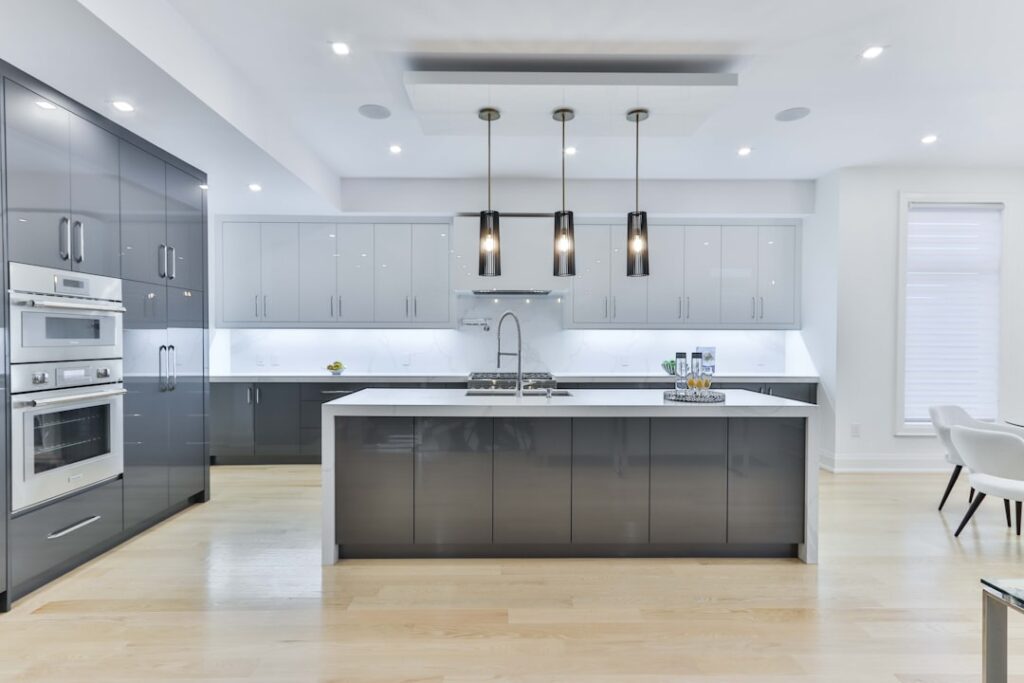
White cabinets dominate American kitchens for one stubborn reason: they sell. But the hardware you bolt to that white shaker door does most of the visual work. The right cabinet pulls for white cabinets can push a builder-grade kitchen into magazine territory or quietly drag it down to dated. The good news is that you do not need a designer on retainer. You need a coherent finish, the right scale, and a placement strategy that respects the door style.
Part of our Kitchen Remodeling guide — explore the full guide →
- Pick the Finish First
- Size Pulls to the Door, Not the Eye
- Knobs, Pulls, or Both?
- Brand Spotlight: Top Knobs vs Emtek vs Amerock
- Placement Rules That Save Reorders
- Budget by Kitchen Size
- Installation Tips From a Cabinet Installer
- Finish Care and Long-Term Durability
- Mixing Hardware Styles Without Looking Random
Pick the Finish First
Finish drives the entire look. Five options dominate current kitchens:
- Matte black: Crisp contrast against white, hides fingerprints, reads modern farmhouse or transitional.
- Brushed brass (unlacquered or living finish): Warms cool white paint and develops a patina over time. Top Knobs Lynwood and Emtek Tribeca are reliable picks.
- Polished nickel: Bright, classic, and slightly warmer than chrome. Pairs well with marble counters and brass faucets.
- Satin brass: The middle ground. Less yellow than polished, less industrial than black.
- Oil-rubbed bronze: Trending down but still works in traditional and craftsman kitchens with darker counters.
Match the cabinet pull finish to either your faucet or your light fixtures. You do not need everything to match, but two of the three should agree.
Size Pulls to the Door, Not the Eye
The most common mistake is undersizing. Builders default to 3-inch (76 mm) pulls because they are cheap and stocked. On a 30-inch tall pantry door, a 3-inch pull looks like an afterthought. Use this rule of thumb: pull length should be one-third of the cabinet door height for tall pantry and broom cabinets, and one-quarter for standard upper doors.
Typical sizes by application:
- Standard upper doors: 3.75 to 5 inch pulls.
- Base cabinet doors: 5 to 6.25 inch pulls.
- Drawers under 24 inches wide: 5 to 6.25 inch pulls or a single 4-inch knob centered.
- Drawers 24 to 36 inches wide: 8 to 12 inch pulls or two equal pulls.
- Appliance and pantry pulls: 12 to 18 inches, often with a 1.25-inch projection for grip.
Knobs, Pulls, or Both?
Traditional design uses knobs on doors and pulls on drawers. Modern and transitional kitchens often run pulls on everything for a cleaner, more uniform look. There is no universal right answer, but consistency matters. If you mix knobs and pulls, draw a quick sketch first to make sure the rhythm reads intentionally.
For 2026, the trend is toward all-pull installations with one statement piece, like a leather-wrapped pull on the island or an oversized appliance pull on the integrated refrigerator panel.
Brand Spotlight: Top Knobs vs Emtek vs Amerock
Top Knobs runs the premium middle ground. Their Garrison and Serene collections deliver solid brass castings, durable PVD finishes, and prices around $12 to $28 per pull. The grip is comfortable and the screws come pre-cut to standard lengths.
Emtek targets the high end. Their Trail, Bristol, and Brookline collections cost $20 to $55 per pull and include unlacquered brass options that genuinely patina. Worth it for the show kitchen, overkill for a rental.
Amerock is the workhorse for budget-conscious renovators. The Westerly and Esquire lines run $4 to $9 per pull at home centers and look surprisingly close to designer hardware from across the room. Great for flips and starter homes.
Placement Rules That Save Reorders
Standard placement for shaker doors puts the pull centered on the stile, 2.5 to 3 inches from the corner of the door. For drawer pulls, center horizontally and vertically on the drawer face. Slab and flat-panel doors give more flexibility — pulls can run vertically or horizontally depending on the look you want.
Use a hardware installation jig. The True Position TP-1934 or the simpler Kreg Cabinet Hardware Jig both keep holes consistent within 1/64 inch. A drilled-too-low pull on white cabinets is one of the most expensive cosmetic mistakes you can make because the patch shows.
Budget by Kitchen Size
A typical 10-by-10 kitchen has 20 to 30 hardware pieces. Budget tiers:
- Builder grade: $80 to $200 total using Amerock or Liberty hardware.
- Mid-range: $250 to $500 with Top Knobs or Schaub.
- Designer: $700 to $1,800 with Emtek, Atlas Homewares, or custom forged options.
Order one extra of each size as insurance. If a finish is discontinued in two years, you have a spare.
Installation Tips From a Cabinet Installer
Always pre-drill from the cabinet face, not the back. Use a 3/16-inch bit for a #8 screw and a 9/32-inch bit if you upsize to #10. Mask the drill point with painter’s tape to prevent paint chipping. If a screw is too long, cut it with a pair of mini bolt cutters or a Dremel, deburr the threads, and reinstall. Never use a screw that bottoms out and tents the door, because the lacquer will crack within a season.
Finish Care and Long-Term Durability
Different finishes need different care. Polished brass, chrome, and nickel show fingerprints and water spots but clean easily with a microfiber cloth and a drop of dish soap. PVD (physical vapor deposition) finishes from premium brands resist tarnish and scratches but cost more. Unlacquered or living brass finishes intentionally develop a patina that some homeowners love and others find inconsistent.
Matte black is the most fingerprint-prone finish. Plan to wipe pulls weekly with a slightly damp microfiber cloth. Avoid abrasive cleaners or scouring pads, which can dull the powder coat. For long-term durability in heavy-use kitchens, solid brass with a PVD coating outlasts hollow zinc-die castings by decades.
Mixing Hardware Styles Without Looking Random
Designers often mix two hardware styles within the same kitchen, but the trick is following a system. Use one style on doors (knobs or short pulls) and a complementary style on drawers (longer pulls), with both in the same finish family. Add a single statement piece like a leather-wrapped pull on the range cabinet or an oversized appliance pull on the integrated refrigerator.
Avoid mixing more than two finishes on hardware itself. A kitchen with brass cabinet pulls, brass faucet, and brass lighting reads intentional. The same kitchen with brass pulls, chrome faucet, and oil-rubbed-bronze lights reads accidental.


