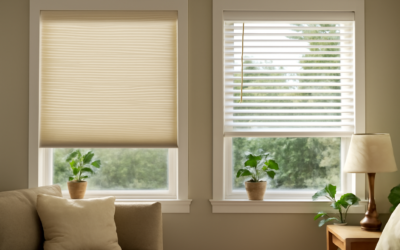
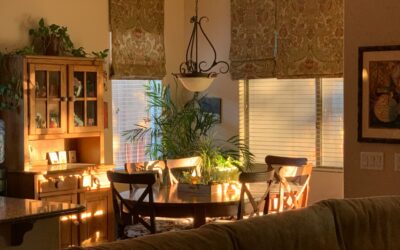
Both hang flat, both raise and lower, and both dress a window beautifully, yet the difference between them shows up on your energy bill and in the way a room feels. The cellular shades vs roman shades decision usually comes down to whether you want maximum insulation or maximum style. Understanding cellular shades vs roman shades at the level of construction, cost, and upkeep makes the choice obvious for each specific window. This comparison breaks down the key differences and tells you which to pick, room by room.
- The Core Difference in Construction
- Energy Efficiency and Insulation
- Light Control and Privacy
- Style and Appearance
- Cost Comparison
- Cleaning and Maintenance
- Child and Pet Safety
- Durability and Lifespan
- Measuring and Fit Considerations
- Pros and Cons at a Glance
- Room-by-Room Recommendations
- Which Should You Choose?
The Core Difference in Construction
Cellular shades, also called honeycomb shades, are made from pleated fabric folded into hollow tubes. Viewed from the side, they look like a row of honeycomb cells, and those air pockets are the whole point: trapped air is an insulator. Single-cell, double-cell, and triple-cell versions add progressively more pockets and more insulating power.
Roman shades are a single panel of fabric that stacks into soft horizontal folds as you raise it. There is no air pocket and no honeycomb, just cloth. That means a roman shade is chosen for how the fabric looks and drapes, not for thermal performance. The construction difference drives every other trade-off below.
Energy Efficiency and Insulation
This is the category where cellular shades win decisively. The honeycomb pockets slow heat transfer at the window, keeping warm air inside in winter and blocking heat in summer. A double-cell shade can reach an R-value in the range of 4 to 5, which is meaningful on drafty or single-pane windows and can trim heating and cooling costs.
Roman shades add only modest insulation, roughly what any layer of fabric provides. You can order them with a thermal or blackout liner to improve the number, but even lined, a roman shade will not match a quality cellular shade for energy performance. If cutting your utility bill is a priority, cellular is the answer.
Light Control and Privacy
Both shades handle light well, but differently. Cellular shades come in light-filtering and full blackout fabrics, and because they sit close to the glass, blackout versions do an excellent job in bedrooms and media rooms. The honeycomb also diffuses incoming light into a soft, even glow.
Roman shades offer the same light-filtering-to-blackout range through fabric and liner choice, and many people find the flat fabric face gives richer, warmer light. Both provide full privacy when lowered. On light control the two are close, with a slight edge to cellular for true blackout because of how tightly it seals to the window.
Style and Appearance
Here roman shades take the lead. The soft, cascading folds read as tailored and upscale, closer to drapery than to a functional blind. Roman shades come in a huge range of fabrics, patterns, and textures, so they suit formal living rooms, dining rooms, and decorated bedrooms where the window treatment is part of the design.
Cellular shades look clean and modern but more utilitarian. Their crisp, uniform pleats fit contemporary and minimalist spaces well, and their low profile disappears into a room rather than making a statement. If you want the window to be a focal point, choose roman; if you want it to quietly perform, choose cellular.
Cost Comparison
Pricing overlaps but tilts a little. Cellular shades typically run $40 to $200 per window depending on size, cell count, and opacity, with single-cell light-filtering shades at the low end and large triple-cell blackout shades at the top. Roman shades run $50 to $250 per window, since the price rides on fabric quality; a designer pattern or a lined blackout roman lands near the top of that range.
For basic function on a budget, an inexpensive single-cell cellular shade is usually the cheapest good option. For a decorated room, expect to pay for the fabric you fall in love with in a roman shade.
Cleaning and Maintenance
Maintenance favors cellular shades slightly. Dust both with a vacuum brush attachment or a feather duster. Cellular fabric resists dust and wipes clean, though the honeycomb pockets can trap debris that you clear with a shot of compressed air. Roman shades collect dust in their folds and, being larger panels of fabric, can be trickier to spot-clean; heavily soiled ones may need professional cleaning to avoid water marks. Neither is high-maintenance, but cellular shades are the more forgiving of the two over the long haul.
Child and Pet Safety
Both are available in cordless and motorized versions, and you should choose one of those if young children or pets are in the home. Corded shades of any type pose a strangulation hazard, and industry standards have shifted toward cordless designs for exactly that reason. Cordless cellular shades lift with a simple push or pull on the bottom rail, while cordless and motorized roman shades operate just as safely. Whichever you pick, specify cordless or motorized in a nursery or playroom.
Durability and Lifespan
Both shades last for years with reasonable care, but they age differently. Cellular shades keep their crisp pleats for a long time because the fabric is engineered to hold its folds, though a cheap single-cell shade can eventually develop soft or crushed cells if handled roughly. Roman shades rely on internal cords and rings to stack the fabric, and those cords are the first thing to wear out; a broken lift cord is the most common repair on a corded roman shade. Motorized versions of either type shift the wear point to the motor and battery, which typically carry a shorter warranty than the fabric itself. For a decade of trouble-free use, a mid-grade cellular shade tends to be the more forgiving long-term choice.
Measuring and Fit Considerations
Fit affects performance for both shades, especially light control. An inside mount looks tailored but leaves small light gaps along the sides, which undercuts the blackout benefit of a cellular shade in a bedroom. If total darkness is the goal, an outside mount that overlaps the frame, or a side-channel light-blocking track, seals those gaps. Roman shades stack a few inches of fabric at the top even when fully raised, so on a short window that stack can eat into your view; measure with that dead-stack height in mind. As with any custom treatment, measure width and height at three points and use the tightest reading, since few windows are perfectly square.
Pros and Cons at a Glance
Cellular shades pros: best insulation and energy savings, excellent blackout, low-maintenance, low profile, often the cheaper option.
Cellular shades cons: more utilitarian look, honeycomb can collect dust, fewer high-design fabric choices.
Roman shades pros: upscale tailored appearance, huge fabric and pattern selection, warm light, a true decorative statement.
Roman shades cons: weak insulation without a liner, folds trap dust, can cost more for premium fabrics.
Room-by-Room Recommendations
A quick tour of a typical house makes the choice concrete. In a primary bedroom, cellular shades with blackout fabric and a cordless lift give you dark sleep and lower energy bills, so they are the default. In a formal living or dining room, roman shades in a textured fabric add the tailored, decorated look those spaces reward. Kitchens and bathrooms lean cellular, since the low-maintenance fabric handles humidity and grease better than a large cloth panel that traps odors.
Home offices and nurseries both favor cordless cellular shades for glare control and safety, while a reading nook or a bay window that you want to feel cozy is a natural showcase for a soft roman shade. When a single room has both a statement window and several ordinary ones, dress the feature window in roman and the rest in cellular for a coordinated but budget-aware result.
Which Should You Choose?
Match the shade to the room’s job. Pick cellular shades for bedrooms that need blackout, drafty or single-pane windows, sunrooms, and anywhere energy efficiency drives the decision. Pick roman shades for living rooms, dining rooms, and formal spaces where the window treatment is meant to be seen and the fabric is part of the decor. Many homeowners use both under one roof: cellular where performance matters and roman where style matters. That mix, rather than a single winner, is usually the right call.