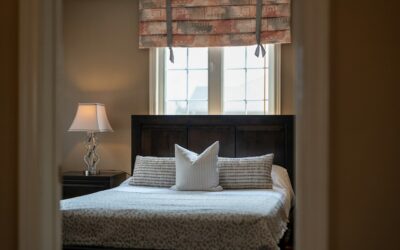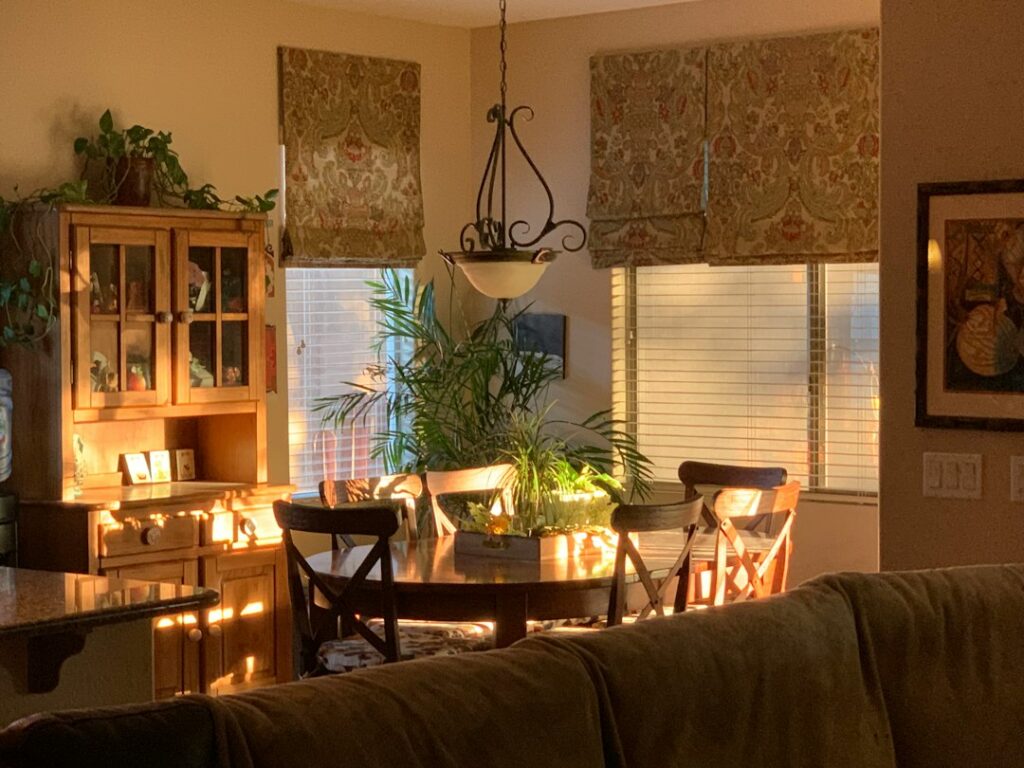
Most people pick a roman shade by color and only later discover that the fold style and lining decide how it actually looks and performs. Fabric roman shades stack into soft horizontal pleats when raised and lie flat or gently draped when lowered, giving a window the softness of drapery with the compact footprint of a blind. The fold you choose sets the personality, the face fabric sets the texture and how light glows through it, and the lining controls privacy, insulation and fading.
Here is the quick decision: choose a flat fold for clean, modern rooms and patterned fabric; a hobbled or relaxed fold for a softer, traditional look; and a balloon style only where you want a decorative, gathered effect. Pair cotton or a cotton blend for crisp folds and easy care, linen for relaxed texture, and add a privacy or blackout lining in bedrooms. Everything else, from mounting to cleaning, follows from those three choices.
- How Fabric Roman Shades Work
- Fold Styles Compared
- Choosing a Face Fabric
- Lining Options: Privacy, Light and Insulation
- Measuring and Mounting
- Cordless and Child-Safe Operation
- Budget Choices and Cheap Roman Shades
- Cleaning and Care
- Troubleshooting Common Issues
- When to Call a Professional
- Frequently Asked Questions
How Fabric Roman Shades Work
A roman shade is a single panel of fabric with horizontal rods or rings sewn into the back at even intervals. Lift cords, or a cordless spring system, run through those rings. When you raise the shade, the bottom section folds up onto the one above it, and the pleats stack neatly at the head rail. Lowered, the fabric covers the glass completely with no slats or gaps, which is why these shades block light and drafts better than many blinds.
Because fabric roman shades are built from the textile itself, they adapt to almost any décor. The same mechanism can carry a solid linen, a bold print, a woven check or a thick textured weave. That flexibility is also the reason fold style and lining deserve careful thought.
Fold Styles Compared
Flat Fold
The flat style lies completely smooth when lowered, and the pleats only appear as you raise it. It is the most tailored option and the best canvas for patterned roman shades, because the print stays uninterrupted across the window. It also uses the least fabric, so it is usually the most affordable to make or buy. Choose it for contemporary rooms, kitchens and anywhere you want a clean line.
Hobbled Fold
Sometimes called a waterfall or teardrop fold, the hobbled style has soft loops of fabric cascading down the face even when fully lowered. It takes roughly twice the fabric of a flat shade, which adds body and insulation. Hobbled shades suit traditional living rooms, dining rooms and bedrooms where a fuller look is welcome.
Relaxed Fold
A relaxed, or European, style has a gentle swag at the bottom edge because the outer edges are drawn up slightly more than the center. It reads casual and soft, and it works especially well in linen. One trade-off: the curved bottom leaves a small gap at the center of the sill, so it is not ideal where you need total darkness.
Balloon and Cloud Styles
Balloon shades gather into puffy scallops at the bottom when raised. They are decorative and suit formal or cottage-style rooms, but they collect dust in the gathers and use the most fabric. Many homeowners use them only as fixed valances over a simpler working shade.
Choosing a Face Fabric
The face fabric drives how the shade drapes, how it filters light and how easy it is to keep clean.
- Cotton and cotton blends: hold a crisp fold, come in endless prints and colors, and are easy to spot clean. A medium-weight cotton is the most forgiving choice for a first shade.
- Linen and linen blends: offer an airy, slightly slubbed texture and filter light beautifully. Pure linen wrinkles and can shift with humidity, so blends with some polyester behave better.
- Polyester and performance fabrics: resist fading, moisture and stains, making them a smart pick for kitchens, bathrooms and sunny exposures.
- Silk and silk blends: look luxurious but fade and weaken in direct sun. Always line them, and keep them out of south- and west-facing windows if possible.
- Heavier weaves (velvet, chenille, tweed): add insulation and a cozy look but stack thick when raised, so allow more height above the window.
Weight matters for the fold. Very thin fabrics can sag between rods, while very heavy ones fight the lift system and form bulky stacks. Medium weights fold most cleanly.
Lining Options: Privacy, Light and Insulation
Lining is the hidden layer that changes how a shade performs. It also protects the face fabric from sun damage, which can double its useful life on bright windows.
- Unlined: soft, glowing light and minimal privacy. Best for decorative layers or rooms that do not face neighbors.
- Standard (privacy) lining: a cotton or poly-cotton sateen that blocks silhouettes, evens out the color seen from the street and shields the face fabric. A good default for living spaces.
- Blackout lining: a coated or tightly woven layer that blocks nearly all light through the fabric. Ideal for roman shades for bedroom windows, nurseries and media rooms. Light can still leak around the edges of an inside mount, so consider an outside mount for darker results.
- Thermal or interlining: a soft flannel layer sewn between face and lining. It adds insulation against winter drafts and summer heat and gives the shade a fuller, richer drape.
Measuring and Mounting
Decide between an inside mount, which sits within the window frame, and an outside mount, which covers the frame. Inside mounts look tidy and show off trim, but you need at least 1 to 2 inches of flat depth in the frame for the head rail. Outside mounts cover imperfect frames, block more light and make small windows look larger.
- For an inside mount, measure the width at the top, middle and bottom of the opening and use the narrowest number. Measure height at left, center and right and use the longest.
- For an outside mount, add about 2 to 3 inches to each side of the frame width so the shade overlaps the opening, and decide how far above the frame the head rail will sit.
- Account for stack height. A raised shade typically stacks 6 to 12 inches depending on window height and fabric thickness. Mounting the rail a few inches above the frame keeps the stack from blocking the view.
- Round to the nearest 1/8 inch and record width before height to avoid ordering mix-ups.
- Mount brackets into wood framing or use anchors rated for drywall, and check the head rail with a level before tightening.
Cordless and Child-Safe Operation
Exposed lift cords on older shades are a strangulation hazard for young children and pets. If you have kids at home or visiting, choose cordless lift systems or motorized operation. When repairing an older corded shade, add cord cleats mounted high on the wall and keep beds, cribs and furniture away from windows with cords.
Budget Choices and Cheap Roman Shades
Price depends on size, fabric, lining and fold style. Ready-made flat-fold shades in standard sizes are the budget end and are often what people find when they look for cheap roman shades; expect general prices in the tens of dollars per window for small sizes. Custom-sized shades in mid-range fabrics with privacy lining commonly run from roughly one hundred to a few hundred dollars per window. Hobbled styles, designer prints, interlining and motorization push prices higher. To save money, use a flat fold, choose a mid-weight cotton or performance fabric, and reserve blackout lining for bedrooms only.
Cleaning and Care
Dust fabric roman shades weekly with a soft brush attachment on low suction, working from the top down. Spot clean stains with a mild detergent solution blotted, not rubbed, after testing on a hidden area. Most lined shades should not go in a washing machine because the lining and face fabric shrink at different rates and the rods distort. For a deep clean, a professional drapery cleaner is the safest route. Rotate or swap shades on very sunny windows if fading is a concern, and keep humidity moderate in bathrooms to prevent mildew.
Troubleshooting Common Issues
Uneven Bottom Edge
One side hanging lower usually means the lift cords have stretched unevenly or slipped in the cord lock. Lower the shade completely, release the cord lock and re-level the cords, or have a cordless spring tensioner adjusted.
Pleats Not Stacking Neatly
Raise the shade and hand-dress the folds once or twice, then leave it raised for a day so the fabric trains to the pleats. Heavier fabrics may need an extra rod.
Light Leaking Around Edges
Inside-mount shades always leave narrow side gaps. Switch to an outside mount, add side channels or layer drapery panels over the shade.
When to Call a Professional
Call a window treatment professional for very wide or tall windows, arched or angled openings, heavy interlined shades, and motorized installations that need hardwired power. Any new outlet or hardwired motor connection should be handled by a licensed electrician. A pro can also measure and install a whole house of shades so the stack heights line up across every window.
Frequently Asked Questions
What fabric is best for roman shades?
A medium-weight cotton or cotton blend is the easiest choice because it folds crisply and cleans easily. Linen blends give a softer, textured look, and performance polyester suits humid or very sunny rooms.
Do roman shades need a lining?
Most do. A privacy lining blocks silhouettes and protects the face fabric from fading, while a blackout lining is the best option for bedrooms and media rooms.
Are fabric roman shades good for bedrooms?
Yes, especially with blackout lining and an outside mount. That combination blocks light through the fabric and reduces edge leaks so the room stays dark in the morning.
Can patterned fabric be used for roman shades?
Patterned fabric works best with a flat fold, which keeps the print uninterrupted when the shade is down. Center the pattern on the window so it looks balanced.
How do you clean a lined roman shade?
Vacuum it regularly with a brush attachment and blot spots with mild soapy water. Avoid machine washing, since the lining and face fabric can shrink unevenly; use a professional drapery cleaner for deep cleaning.