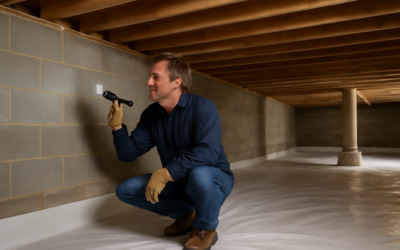
If your feet feel the chill the moment you step out of bed, the problem is often not the flooring at all. Cold floors over crawl space usually come from what is happening below: outside air pouring through vents, insulation that has fallen out of the joists, gaps around the rim joist, or uninsulated ductwork losing heat before it reaches your rooms. Fixing the right one of those makes a far bigger difference than adding a thicker rug.
The fastest way to diagnose the issue is to measure. An infrared thermometer pointed at the floor, the baseboards, and the air registers shows where the cold is concentrated. Then take a careful look in the crawl space. Most homes have one or two dominant causes, and each has a clear fix: close or seal vents, reinstall or upgrade floor insulation, seal the rim joist, insulate ducts, or encapsulate the entire crawl space.
- Why You Get Cold Floors Over Crawl Space
- Tools for Diagnosing the Problem
- Crawl Space Entry Safety
- Step-by-Step Troubleshooting
- Moisture and Mold: Handle These First
- Floor Insulation vs Sealing and Encapsulation
- Sealing Ducts and Rim Joists
- Quick Fixes and Troubleshooting
- Cost Ranges and When to Call a Pro
- Frequently Asked Questions
Before you add any insulation, deal with moisture. Insulation laid over a damp crawl space can trap water against the wood, feeding rot and mold. Moisture control always comes first.
Why You Get Cold Floors Over Crawl Space
A crawl space is a buffer zone between the ground and your living space. When that buffer is open to outside air or poorly insulated, the underside of your subfloor sits close to outdoor temperature in winter. Wood and many flooring materials conduct that cold straight to your feet.
The most common culprits are:
- Open foundation vents letting cold air sweep across the underside of the floor.
- Fallen or sagging fiberglass batts that no longer touch the subfloor, creating an air gap that makes them nearly useless.
- Rim-joist air leaks where the house framing sits on the foundation, often the leakiest spot in the whole home.
- Uninsulated or leaky ducts running through the crawl space, delivering lukewarm air to rooms.
- Plumbing and wiring penetrations through the subfloor that let cold air up into walls and floors.
- No insulation at all, common in older homes.
Tools for Diagnosing the Problem
- Infrared thermometer for spot-checking floor, wall, and register temperatures
- Bright headlamp and a backup flashlight
- Coveralls, gloves, knee pads, and eye protection
- N95 or better respirator for dust and fiberglass
- Moisture meter for checking joists and subfloor
- Smartphone or camera to photograph problem areas
- Notepad or a quick sketch of the floor plan to mark findings
Crawl Space Entry Safety
Crawl spaces can hide real hazards. Tell someone before you go in, and keep your phone on you. Watch for:
- Pests and animals: spiders, snakes, rodents, and raccoons are common. Look before you reach into dark corners.
- Sharp objects: nails, broken glass, and exposed fasteners poke through subfloors and sit in the dirt.
- Poor ventilation: stale air, mold spores, and fiberglass fibers call for a respirator. If you smell gas or sewage, leave and call a professional.
- Electrical hazards: damaged wiring or standing water near electrical lines means you should stay out until it is inspected.
- Tight spaces: make sure you can always turn around and exit easily.
Step-by-Step Troubleshooting
- Measure from inside. On a cold day, take infrared readings of floors in several rooms, near exterior walls, and at supply registers. A floor several degrees cooler near an outside wall points to the rim joist; a cold register points to ducts.
- Check the vents. Look at foundation vents from outside. Open vents in winter let cold air flow directly under the floor.
- Inspect the insulation. Inside the crawl space, note whether batts are missing, sagging, or pulled away from the subfloor. Wet or compressed batts should be replaced.
- Look for moisture. Check for standing water, damp soil, condensation on ducts or pipes, and white mineral stains on foundation walls. Use a moisture meter on the joists.
- Examine the rim joist. Look for daylight, drafts, or missing insulation where the joists meet the sill plate.
- Follow the ducts. Check for disconnected sections, torn insulation wrap, or unsealed joints.
- Note any mold. Visible growth, a musty smell, or dark stains on wood need attention before insulation work begins.
Moisture and Mold: Handle These First
Never install insulation over a wet crawl space. Batts or foam placed against damp wood trap moisture, which can lead to rot, mold, and even structural damage over time. Start by putting down a proper vapor barrier, typically a heavy polyethylene sheet over the soil, overlapped at seams and extended up the foundation walls where appropriate.
Fix drainage issues outside too: clean gutters, extend downspouts away from the foundation, and grade soil so water slopes away from the house. If the crawl space still stays damp, a dehumidifier designed for crawl spaces may be needed.
Small patches of surface mold can sometimes be cleaned by a homeowner with proper protection. If mold covers more than about 10 square feet, hire a mold remediation professional, since disturbing large areas can spread spores into the living space.
Floor Insulation vs Sealing and Encapsulation
Once moisture is under control, you have two main strategies. The right one depends on your climate, what is already down there, and your budget.
Insulating the Floor
This keeps the crawl space vented and places insulation between the floor joists, tight against the subfloor. Fiberglass batts held with wire supports or netting are common, while rigid foam or spray foam offers better air sealing. It is usually cheaper upfront and works well in milder climates. The downside is that ducts and pipes remain outside the insulated envelope, so they still lose heat.
Sealing and Encapsulating
Encapsulation closes the vents, lines the floor and walls with a heavy vapor barrier, insulates the foundation walls and rim joist, and conditions the space with a dehumidifier or a small supply of conditioned air. The crawl space becomes part of the home’s envelope, so ducts and pipes stay warmer. It costs more but often delivers the biggest comfort improvement and helps with humidity problems. Check local code requirements before sealing vents, as rules vary by jurisdiction.
For a deeper look at materials and methods, see our guides on how to insulate a crawl space, which cover batts, foam board, and spray foam in more detail.
Sealing Ducts and Rim Joists
Two targeted fixes often solve cold floors over crawl space without a full overhaul. First, seal duct joints with mastic or foil tape rated for HVAC use (not standard cloth duct tape), then wrap supply ducts in insulation with a vapor-retarding facing. Reconnect any sections that have separated. Second, air seal the rim joist: cut rigid foam board to fit each bay, press it against the rim, and seal the edges with canned foam. That combination stops drafts along exterior walls and keeps more heat inside the ducts.
Quick Fixes and Troubleshooting
Batts keep falling. Use insulation supports every 16 to 24 inches or a netting system so the insulation stays in full contact with the subfloor.
One room is colder than the rest. Look for a disconnected duct, a room built over a cantilever, or a missing section of insulation under that room.
Floors are warm but drafty near baseboards. Seal the rim joist with rigid foam cut to fit and sealed with canned spray foam around the edges.
Condensation appears after insulating. Moisture control was not adequate. Recheck the vapor barrier, drainage, and humidity before adding more insulation.
Pipes freeze in winter. Insulate supply lines and consider encapsulation to keep the space above freezing.
Cost Ranges and When to Call a Pro
DIY fixes like sealing vents, rehanging batts, and insulating accessible ducts often cost a few hundred dollars in materials. Professional floor insulation for a typical crawl space commonly runs from around $1,500 to $4,000, depending on square footage and material. Full encapsulation with vapor barrier, wall insulation, and a dehumidifier often ranges from about $5,000 to $15,000 or more, especially if drainage work is needed.
Call a professional if you find standing water, mold larger than about 10 square feet, rotted joists, pest infestations, or damaged wiring. Also bring in a pro if the crawl space is too tight to work in safely or if you want encapsulation done to local code with proper conditioning. A good contractor will address moisture first and then recommend the insulation approach that fits your climate.
Frequently Asked Questions
Why are my floors so cold above the crawl space?
Common causes include open vents, fallen insulation, air leaks at the rim joist, and uninsulated ductwork. Cold outside air under the floor transfers directly into the subfloor and flooring.
Should I close crawl space vents in winter?
Closing vents can help, but only if moisture is controlled. In many cases a full encapsulation with a vapor barrier and dehumidification is the better long-term solution. Check local code first.
Is it better to insulate the floor or the crawl space walls?
Floor insulation works for vented crawl spaces and costs less. Wall insulation paired with encapsulation keeps ducts and pipes inside the conditioned envelope and often feels warmer.
Can insulation cause mold in a crawl space?
Yes, if it is installed over damp soil or wet wood. Always install a vapor barrier and fix drainage before insulating so moisture is not trapped.
How can I tell where the cold air is coming from?
An infrared thermometer helps pinpoint cold spots on floors, walls, and registers. Pair those readings with a visual inspection of vents, insulation, rim joists, and ducts.