Gone are the days when tile came in three shades of white and a handful of beige options. The color tile revolution is in full swing, and 2026 brings some of the boldest, most beautiful colored tile selections ever seen. From deep emerald greens and rich terracotta to soft blush pinks and moody navy blues, colored tiles allow you to inject personality, warmth, and character into every room of your home.
Part of our Tile & Grout guide — explore the full guide →
This guide explores the hottest color tile trends, how to choose the right shades for your space, where to use colored tiles, and practical tips for making your color choices work long-term.
Why Color Tile Is Trending in 2026
Several design movements have converged to push color tile into the spotlight:
- Rejection of all-white minimalism: After years of stark white kitchens and bathrooms, homeowners are craving warmth, personality, and visual interest.
- Biophilic design: Nature-inspired interiors call for earthy greens, terracotta, ocean blues, and warm neutrals that colored tile flooring delivers beautifully.
- Social media influence: Platforms like Instagram and Pinterest have made bold, photogenic tile choices aspirational and accessible.
- Manufacturing advances: Modern glazing and inkjet technology produce richer, more consistent colors with greater durability than ever before.
Top Color Tile Trends for 2026
Earthy Greens
Sage, olive, forest green, and emerald tiles are among the most requested colors in 2026. Green tiles bring a sense of calm and connection to nature, working beautifully in bathrooms, kitchen backsplashes, and entryways. Sage green subway tiles in kitchens and deep emerald hexagonal tiles in bathrooms are particularly popular pairings.
Terracotta and Warm Earth Tones
Terracotta, clay, rust, and warm sienna tiles create a Mediterranean or southwestern warmth that feels both timeless and current. These tones pair naturally with wood cabinetry, brass hardware, and neutral walls. Terracotta-look porcelain tiles offer the aesthetic without the porosity and maintenance concerns of traditional terracotta.
Deep Blues and Navy
Navy, cobalt, and Prussian blue tiles add depth and sophistication to any space. Blue tiles work as accent features in bathrooms, kitchen backsplashes, and fireplace surrounds. They pair exceptionally well with white grout, brass fixtures, and warm wood tones.
Blush and Soft Pink
Soft pink and blush tiles have moved beyond nurseries and powder rooms into mainstream design. A blush pink tile wall in a bathroom or shower creates a warm, flattering glow. These subtle tones work surprisingly well with gray, white, and matte black fixtures.
Warm Whites and Cream
While not a departure from neutral territory, the shift from cool bright whites to warm whites, cream, and ivory represents a significant trend. These warmer tones feel less clinical and pair better with natural materials. Handmade-look tiles in warm white with slight color variation are especially popular.
Charcoal and Matte Black
Dark, moody tiles create drama and sophistication. Matte black subway tiles in kitchens and charcoal large-format tiles on bathroom floors bring a contemporary edge. Dark tiles make lighter fixtures, furniture, and artwork pop.
Sunset Tones
Peach, apricot, and soft coral tiles bring warmth and energy to spaces without the intensity of red or orange. These sunset-inspired tones work beautifully in Mediterranean, bohemian, and eclectic interiors.
Choosing the Right Color Tile for Your Space
Consider the Lighting
Tile color looks dramatically different under natural versus artificial light. Northern-facing rooms with cool light make blue and green tiles look cooler and darker, while southern-facing rooms with warm light enhance warm tones. Always view tile samples in your actual room at different times of day before committing.
Room Size Matters
Light colors make small rooms feel larger and more open. Dark colors can make small spaces feel intimate and cozy or claustrophobic, depending on the application. In small bathrooms, consider using bold colors on a single feature wall while keeping other surfaces lighter.
Consider the Permanence
Tile is a long-term investment. While a trendy color might excite you today, consider whether you will still love it in 10 years. If you are risk-averse, use bold colors in smaller doses: backsplashes, accent strips, niches, and feature walls. Save large floor and wall areas for colors you are confident about.
Grout Color Impact
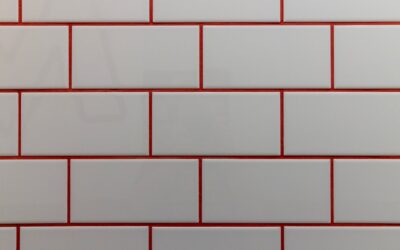
Grout color dramatically affects how colored tiles look. Matching grout creates a seamless, monolithic appearance. Contrasting grout (white grout with dark tiles or dark grout with light tiles) highlights the tile pattern and individual shapes. Choose deliberately, as grout can make or break a color tile installation.
Coordinate With Existing Elements
Your tile color must work with your cabinetry, countertops, fixtures, and paint colors. Bring samples of everything to the tile showroom, or better yet, bring tile samples home. The safest approach is to choose tiles that share an undertone with your existing palette.
Color Tile by Room
Kitchen
Kitchen backsplashes are the most popular location for color tile because the area is small enough to make a bold statement without overwhelming the room. Trending kitchen color tiles include sage green subway tiles, cobalt blue zellige tiles, and terracotta hexagonal tiles. For kitchen floors, softer earth tones and warm neutrals provide a colorful foundation without competing with the backsplash.
Bathroom
Bathrooms are the second most popular space for color tile. Colored tiles transform sterile white bathrooms into spa-like retreats. Popular approaches include emerald green shower walls, blush pink floor tiles, and navy feature walls behind vanities. For a cohesive look, use a bold color on one surface and a complementary neutral on the rest.
Entryway
The entryway sets the tone for your entire home. Patterned encaustic-style tiles in multiple colors create a memorable first impression. Alternatively, a solid-color tile floor in a warm earthy tone welcomes guests with warmth and personality.
Living Room
Color tile is less common in living rooms but can create stunning results. A colored tile fireplace surround serves as a focal point, while a section of decorative floor tile defines a seating area. For broader living room applications, consider warm neutrals and subtle earth tones that provide color without dominating the space.
Laundry Room
Laundry rooms are the perfect place to experiment with bold color tile. Since these utilitarian spaces have fewer design constraints, you can go all-in with vibrant colors and playful patterns that bring joy to an otherwise mundane task.
Types of Color Tile
Glazed Ceramic
Glazed ceramic tiles offer the widest range of colors and are the most affordable colored tile option. The glaze layer creates the color and provides a protective, easy-to-clean surface. Available in virtually any color imaginable.
Glazed Porcelain
More durable and water-resistant than ceramic, glazed porcelain tiles are suitable for floors, walls, and exterior applications. They offer excellent color consistency and fade resistance.
Zellige
Handmade Moroccan zellige tiles feature slight color variations, uneven surfaces, and a distinctive hand-crafted character. They come in rich, saturated colors and create a textured, artisanal look. Zellige tiles are more expensive ($15 to $40 per square foot) but deliver unmatched visual depth.
Cement Tile (Encaustic)
Cement tiles feature bold colors and geometric patterns created by layering pigmented cement rather than glazing. They offer a matte, earthy aesthetic distinct from the shiny finish of glazed ceramic. Cement tiles require sealing and more maintenance but provide a unique artisanal quality.
Glass Tile
Glass tiles create luminous, jewel-like color effects that no other material can match. They are available in an extraordinary range of colors and finishes, from transparent to opaque, glossy to frosted. Glass tile is primarily used for backsplashes and accent features.
Color Tile Installation Tips
- Order 15% extra. Colored tiles can vary between production batches. Ordering extra from the same batch ensures you have matching tiles for cuts, mistakes, and future repairs.
- Mix tiles from multiple boxes. Even within a batch, tiles can have slight color variations. Mix tiles from several boxes during installation to distribute any variation evenly across the surface.
- Test grout combinations. Apply sample grout to a few tiles and let it dry completely before grouting the entire installation. Wet and dry grout look different.
- Seal porous tiles. Unglazed, cement, and zellige tiles must be sealed before and after grouting to prevent staining. Use a penetrating sealer appropriate for the tile type.
- Protect during construction. Cover installed color tiles during any remaining construction work. Grout haze, paint splatters, and construction dust are harder to remove from textured or matte colored tiles.
Maintaining Color Tile
- Sweep or vacuum regularly to remove abrasive grit.
- Mop with a pH-neutral tile cleaner. Avoid acidic cleaners on natural stone or cement tiles.
- Clean grout lines with a grout brush and appropriate cleaner to prevent discoloration.
- Re-seal cement and unglazed tiles annually or as recommended by the manufacturer.
- Address chips promptly by keeping spare tiles from the original batch for replacements.
Frequently Asked Questions
Do colored tiles fade over time?
Quality glazed ceramic and porcelain tiles are highly fade-resistant. The color is locked into the glaze during firing and withstands UV exposure and cleaning chemicals. Cement tiles and unglazed tiles may fade slightly over time, adding to their character.
Are bold tile colors hard to resell with?
Bold tiles in small areas like backsplashes and accent walls generally do not hurt resale. Entire rooms covered in very specific colors may narrow buyer appeal. Timeless tones like green, blue, and earth tones tend to resell better than neon or pastel shades.
Can I paint over colored tile if I change my mind?
Yes, tile paint exists and can update the color without replacing tiles. However, painted tile does not hold up as well as original glazed color, especially on floors and in wet areas. Consider it a temporary solution rather than a permanent fix.
What is the most timeless tile color?
White, cream, and soft gray remain the most timeless tile colors. Among bolder options, green and blue have the longest design history and are least likely to feel dated. Terracotta and earth tones also have enduring appeal due to their connection to natural materials.
Final Thoughts
Color tile is one of the most powerful design tools available to homeowners in 2026. Whether you choose a subtle warm white, a trending sage green, or a dramatic deep navy, colored tiles bring personality and visual warmth to kitchens, bathrooms, and living spaces that neutral-only palettes cannot achieve.
Start with small, manageable projects like a backsplash or bathroom accent wall to build confidence, and do not be afraid to bring bold color into your home. For more tile inspiration, visit our comprehensive tile flooring guide.
Prefer to explore on your own?
See how new flooring looks in your actual room in seconds — free, no signup.
Try the free Floor Studio →