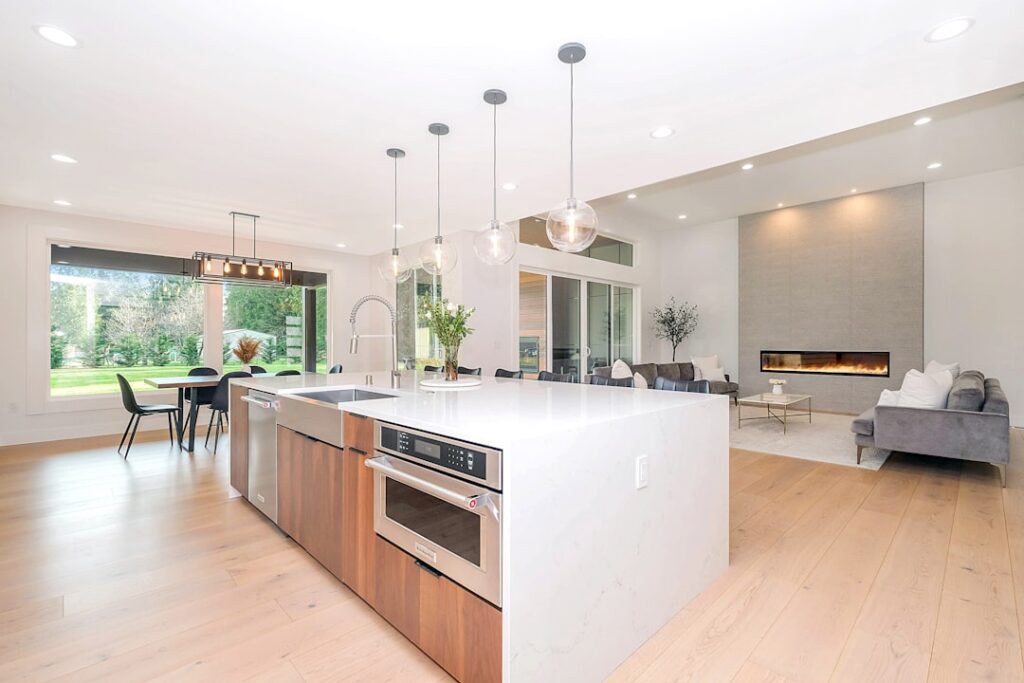
The cooktop you choose shapes how your whole kitchen works, from how fast water boils to how easy the surface is to wipe down. A countertop stove, more precisely called a cooktop, drops into your counter as a sleek, standalone cooking surface separate from the oven. This setup gives you flexibility in kitchen layout and lets you choose the exact heating technology you prefer. Understanding the differences between gas, electric, and induction is the first step to picking the right one.
Part of our Countertops guide — explore the full guide →
What a Countertop Stove Is
A countertop stove is a cooktop that installs into a cutout in your counter, with the burners flush at the surface and the controls and components below. Because it is separate from the oven, you can place a wall oven elsewhere or skip it entirely. This modular approach suits open kitchens, islands, and remodels where you want more design freedom than a traditional all-in-one range allows.
Portable plug-in versions also exist for small spaces, dorms, and supplemental cooking, but built-in cooktops are the standard for full kitchens.
Gas Cooktops
Gas cooktops use an open flame fueled by natural gas or propane, prized by many cooks for instant, visible, and precise heat control. The flame responds the moment you turn the knob, making them excellent for tasks like searing and quick temperature changes. They work with virtually any cookware, including cast iron and woks.
On the downside, gas burners are harder to clean around the grates, less energy-efficient than induction, and require a gas line. Proper ventilation is important, and any gas appliance should be installed by a qualified professional to ensure safe connections and adequate clearance.
Electric Cooktops
Electric cooktops come in two main forms: traditional coil burners and smooth radiant glass-ceramic surfaces. Smooth-top electric models are popular for their sleek look and easy wipe-down cleaning. They provide steady, even heat that is good for simmering, though they respond more slowly than gas when you adjust the setting.
The glass surface can scratch and is sensitive to dragging heavy pots, and the burner stays hot for a while after you turn it off, which is a burn risk to keep in mind around children.
Induction Cooktops
Induction is the newest and most efficient technology. Instead of heating the surface, it uses an electromagnetic field to heat the cookware directly, so it boils water faster than any other type and the surface stays relatively cool, reducing burn risk and making spills easy to wipe up.
- Fastest heating and very precise control
- Most energy-efficient since heat goes into the pan, not the air
- Cooler, safer surface that wipes clean easily
- Requires magnetic cookware such as cast iron or magnetic stainless steel
The main drawbacks are a higher upfront cost and the need for compatible pans, though many home cooks find the performance worth it.
Sizing and Installation
Cooktops commonly come in 30-inch and 36-inch widths, with smaller two-burner units for compact kitchens. Measure your existing cutout and the cabinet space below before buying, and confirm the new unit matches the opening or plan for counter modification. Electric and induction cooktops need a dedicated 240-volt circuit, while gas units need a gas line, so factor in any required electrical or plumbing work. Hire a licensed electrician or gas fitter for the hookup to meet code and safety requirements.
Choosing the Number of Burners
Cooktops are not all four burners. Two-burner units suit small kitchens, apartments, and secondary cooking stations, while standard 30-inch models typically offer four burners and 36-inch models often add a fifth burner or a larger center element. Many gas and induction models include a high-output burner for fast boiling and searing alongside a low-simmer burner for delicate sauces. If you cook large meals or use big pots and griddles, look for a model with a bridge element or an oversized burner that handles wide cookware. Match the burner count and layout to how you actually cook rather than buying the biggest unit by default.
Cleaning and Maintenance
Cleaning effort varies sharply by type, and it is worth weighing before you buy. Smooth-top electric and induction surfaces are the easiest to maintain: wait for them to cool, then wipe with a cooktop cleaner and a soft cloth, using a special scraper for stuck-on spots. Gas cooktops take more effort because you must remove and wash the grates and burner caps and clean around the burner heads, though sealed burners contain spills better than open ones. Whatever the type, wipe up spills promptly, avoid abrasive pads that scratch glass surfaces, and never let liquids pool around control knobs or burner ignitions.
Which Cooktop Is Right for You
Choosing among gas, electric, and induction comes down to how you cook and what your kitchen supports. Pick gas if you want instant visible flame, precise control, and compatibility with any cookware, and you already have a gas line. Choose smooth-top electric if you want a sleek, easy-to-clean surface at a moderate price and do not mind slower response. Go with induction if speed, efficiency, safety, and easy cleanup are your priorities and you are willing to use magnetic cookware. Also weigh your existing utilities: switching from gas to induction may require new electrical work, while adding gas means running a line, both of which affect the total project cost.
Cookware Considerations
Your pots and pans factor into the decision more than many people expect. Gas and traditional electric cooktops work with virtually any cookware, including aluminum, copper, glass, and cast iron. Induction is the exception: it only heats magnetic materials, so cast iron and magnetic stainless steel work, while aluminum, copper, and most glass do not unless they have a magnetic base. A quick test is to hold a magnet to the bottom of a pan; if it sticks firmly, the pan will work on induction. If you switch to induction, budget for replacing any incompatible cookware, and look for flat-bottomed pans that make full contact with the surface for the best performance.
Safety and Cost
Whatever type you choose, follow basic safety practices: keep flammable items away from burners, ensure good ventilation with a range hood, and never leave cooking unattended. Maintain proper clearance from combustible surfaces per the manufacturer instructions.
Prices range widely. Basic electric coil and budget gas cooktops start in the low hundreds of dollars, mid-range smooth-top electric and gas units run several hundred, and induction and premium models reach well into four figures. Factor in installation, any electrical or gas work, and ventilation when budgeting. Choose the technology that fits your cooking style and your kitchen, and a quality cooktop will serve you reliably for many years.