Whether you are outfitting a small apartment, adding a burner for holiday cooking, or building out a basement kitchenette, a countertop cooktop gives you real cooking capability without the space and expense of a full range. These compact units, ranging from single-burner portables to sleek drop-in models, sit on or in your counter and deliver serious heat from an outlet or gas line. Modern induction versions in particular have made countertop cooking faster, safer, and more energy-efficient than ever. This guide breaks down the main types, how to choose the right one, sizing and installation considerations, safety features, and what to expect on price, so you can match a cooktop to your space and cooking style.
Part of our Countertops guide — explore the full guide →
Types of Countertop Cooktops
The term covers a few distinct categories, and knowing the difference is the first step. Some sit on top of the counter and plug in, while others drop into a cutout for a built-in look.
- Portable induction cooktops: Plug-in single or double units that use electromagnetic energy to heat cookware directly. Fast, efficient, and cool to the touch around the pan.
- Portable electric (coil or infrared): Traditional plug-in burners that heat an element. Inexpensive and work with any cookware, but slower and hotter to the surroundings.
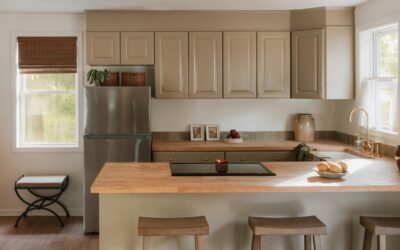
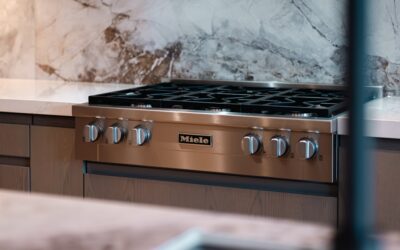
- Drop-in electric or induction cooktops: Built-in units installed into a counter cutout for a permanent, seamless look, typically hardwired.
- Portable butane and propane cooktops: Gas-fueled units for outdoor cooking, RVs, and areas without power, offering true open-flame control.
For most indoor home uses, a portable induction cooktop is the standout choice for its speed and safety, while a drop-in model makes sense when you want a permanent installation in a kitchenette or island.
Induction vs. Electric vs. Gas
Choosing the heat source is the biggest decision, and each has clear strengths. Induction cooktops heat the pan itself through a magnetic field, so they boil water dramatically faster, offer precise instant temperature control, and stay relatively cool around the cookware, which makes them the safest and most efficient option. The catch is that they require magnetic cookware, meaning cast iron or magnetic stainless steel; aluminum and copper pans will not work.
Traditional electric coil and infrared cooktops cost the least and work with any pot or pan, but they heat and cool slowly and leave a hot surface behind. Portable gas cooktops give the responsive open flame many cooks prefer and work off-grid, but they require fuel canisters or a gas line and proper ventilation. For everyday indoor use where an outlet is available, induction wins on speed, safety, and efficiency; choose electric for budget and cookware flexibility, and gas for outdoor or off-grid needs.
Sizing and Burner Count
Countertop cooktops come in single-burner, double-burner, and full multi-burner drop-in configurations, and the right choice depends on how you cook. A single burner suits dorm rooms, offices, occasional use, and as an extra burner during big meals. A double burner is the sweet spot for small apartments, kitchenettes, and RVs, letting you cook a main dish and a side at once.
Drop-in models come in widths from about 12 inches for a two-burner up to 30 or 36 inches for a four- or five-burner unit, matching a standard range’s cooking surface. When sizing, consider your counter space, the size of your typical cookware, and how many dishes you cook simultaneously. Also confirm the burner spacing accommodates larger pots without crowding, since some compact double units place burners close together.
Installation and Power Requirements
Power is a practical consideration that trips up many buyers. Most portable single-burner induction and electric cooktops run on a standard 120-volt household outlet, but powerful units, especially double portables, can draw enough current to trip a circuit if you run other appliances on the same line. Check the wattage and give a high-power cooktop its own outlet when possible.
Drop-in cooktops with multiple burners typically require a dedicated 240-volt circuit and hardwired installation by an electrician, plus a properly sized cutout in the counter. If you are installing a drop-in unit, plan the counter cutout carefully, allow the manufacturer’s required clearances beneath and around the unit, and confirm your electrical panel can support the load. Portable gas cooktops need adequate ventilation and safe fuel storage, and should never be used in an unventilated space. Reading the specification sheet before you buy prevents an unwelcome surprise at installation.
Safety Features to Look For
Modern countertop cooktops include safety features that make them well suited to small homes, families, and older adults. Look for these when comparing models.
- Auto shut-off: Turns the unit off after a set time or when no pan is detected, guarding against forgotten burners.
- Child safety lock: Prevents accidental changes to settings.
- Overheat protection: Shuts down if the unit or cookware gets dangerously hot.
- Cool-touch surface: Induction models keep the glass surface much cooler than electric, reducing burn risk.
- Pan detection: Induction units only heat when compatible cookware is present, so the surface will not run hot on its own.
These features are a major reason induction countertop cooktops have become popular for apartments and multigenerational households, where the reduced fire and burn risk is a real benefit.
What a Countertop Cooktop Costs
Prices span a wide range by type and quality. Basic portable electric single burners start around $20 to $40. Portable single-burner induction units run roughly $50 to $120, with quality double-burner induction models at $120 to $300. Built-in drop-in electric and induction cooktops range from about $300 for a basic two-burner to $1,500 or more for a premium 30- to 36-inch induction unit.
For most homeowners wanting flexible, everyday cooking power, a mid-range portable induction cooktop offers the best value, delivering fast, safe, efficient heat for a modest price and going wherever you need it. Reserve the drop-in models for permanent kitchenettes, islands, and secondary kitchens where a built-in look is worth the added cost and installation. Reserve the drop-in models for permanent kitchenettes, islands, and secondary kitchens where a built-in look is worth the added cost and installation.
Cookware and Everyday Use Tips
Getting good results from a countertop cooktop comes down partly to using the right cookware. For induction models, the pan must be magnetic, so test yours with a refrigerator magnet before buying; if the magnet sticks firmly to the bottom, the pan will work. Flat-bottomed pans make the best contact and heat most evenly on both induction and electric surfaces, while warped or heavily rounded pans heat poorly and can wobble.
Match your pan size to the burner or induction coil for the most efficient heating, since a pan much smaller than the element wastes energy and one much larger heats unevenly at the edges. Keep the glass surface of induction and smooth-top electric units clean and free of grit, wiping up spills once the surface cools to avoid scratches and burned-on residue. With a modest amount of care and the right pans, a countertop cooktop performs reliably for years. Whichever route you choose, it is one of the most versatile and space-smart cooking tools you can own, turning a countertop, a small apartment, or an outdoor setup into a fully functional cooking station without the footprint of a full range.