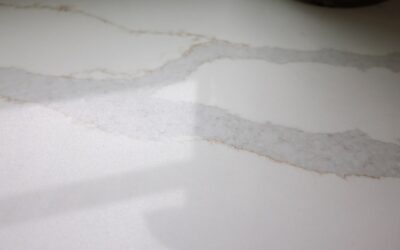
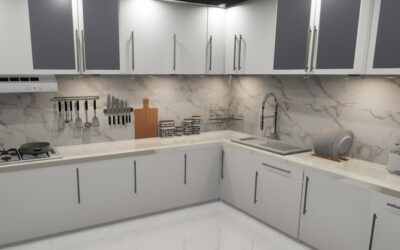
Bright, clean, and endlessly versatile, the crystal white quartz countertop has become one of the most requested surfaces in modern kitchens and bathrooms. It delivers the airy, luminous look of pure white stone with a faint sparkle of crystalline flecks, but without the porosity, staining worries, and constant sealing that come with marble. Engineered from roughly 90 to 93 percent ground natural quartz bound with resins and pigments, crystal white is a durable, low-maintenance workhorse that photographs beautifully and brightens any space it goes into. If you are drawn to a crisp white kitchen but want a countertop that can actually handle daily cooking, spills, and family life, this is a surface worth understanding in detail before you buy.
Part of our Countertops guide — explore the full guide →
What Crystal White Quartz Looks Like
Crystal white is prized for its consistency. Unlike natural stone, where every slab is a gamble, engineered quartz is manufactured to a predictable pattern, so the countertop you install looks like the sample you approved. The base is a clean, bright white, often with a subtle fine-grained sparkle from the natural quartz crystals catching the light. Some versions lean warmer or cooler, and finishes range from a standard polished gloss to a soft matte or honed surface for a more contemporary, less reflective look.
That uniformity is a design advantage in open kitchens where multiple slabs meet at an island and perimeter counters, because the pieces match seamlessly. The bright white also amplifies natural light, making small or dim kitchens feel larger and cleaner. It pairs with virtually any cabinet color, from crisp white shaker fronts to deep navy, warm walnut, or moody black, which is a big part of its enduring popularity.
What It Costs
Quartz sits in the mid-to-upper range of countertop pricing, and crystal white is typically a mainstream color rather than a premium designer line, keeping it relatively affordable. Installed, expect to pay roughly $50 to $100 per square foot for material and fabrication combined, with most kitchens landing somewhere in the $60 to $90 range depending on your region, brand, edge profile, and slab thickness.
- Material only: roughly $40 to $70 per sq ft
- Installed (fabrication + template + install): about $50 to $100 per sq ft
- Thickness: 2cm and 3cm are standard; 3cm looks more substantial and often needs no plywood support
- Edge upgrades: ogee, mitered waterfall, and bullnose profiles add to the price
A typical 40-to-50-square-foot kitchen therefore runs somewhere in the $2,500 to $4,500 range installed. Waterfall island edges, extra cutouts, and premium edge details push that figure higher. Always get a detailed quote that spells out fabrication, template, cutouts for sinks and cooktops, and installation so there are no surprises.
Pros and Cons to Weigh
The advantages are what make quartz the top choice in so many remodels. It is non-porous, so it never needs sealing and resists staining from coffee, wine, and oils far better than marble or granite. It is hard and scratch-resistant under normal use, and the bright white color is timeless rather than trend-bound. Because it is engineered, quality control is high and the look is consistent slab to slab.
There are tradeoffs worth knowing. Quartz is not heatproof; the resin binder can scorch or discolor if you set a hot pan directly on it, so trivets are essential. Prolonged direct sunlight can, over years, cause some quartz to yellow slightly, making pure white a consideration for very sunny spots. And while it resists chips, sharp impacts on a corner or edge can still ding it. On a white surface specifically, any stain or mark that does occur is more visible than on a busy pattern, so prompt cleanup matters.
Crystal White Quartz vs. Marble
Many homeowners considering crystal white quartz are really chasing the look of white marble like Carrara or Calacatta without the headaches. It is a smart comparison. Marble is stunning but soft and porous; it etches when acidic foods like lemon or vinegar touch it, stains readily, and needs regular sealing and careful use. For a hardworking kitchen, that fragility is a real drawback.
Crystal white quartz gives you a comparable bright, clean aesthetic while shrugging off the acids, spills, and knocks that would mar marble. The tradeoff is that quartz lacks the deep, dramatic natural veining and translucency of genuine marble; its beauty is cleaner and more uniform rather than organic. If you want marble’s exact one-of-a-kind character and are willing to baby it, choose marble. If you want the luminous white look with everyday durability, crystal white quartz is the practical winner, and it typically costs less than premium marble installed.
Keeping It Pristine
Caring for crystal white quartz is refreshingly simple, which is much of its appeal. For daily cleaning, wipe with warm water, a splash of mild dish soap, and a soft cloth. Skip abrasive scrubbing pads, scouring powders, and harsh chemicals like bleach, oven cleaner, or high-pH degreasers, which can dull or damage the resin over time. Blot up spills of wine, coffee, and colored liquids promptly, and although the surface resists staining, keeping a white counter looking flawless rewards quick cleanup.
Always use cutting boards to protect your knives and the finish, and never set hot cookware directly on the surface; a trivet or hot pad prevents thermal damage. For stubborn dried-on spots, a plastic putty scraper and a non-abrasive cleaner lift residue without scratching. Follow these simple habits and a crystal white quartz countertop will hold its bright, sparkling appearance for decades with none of the sealing or fuss that natural stone demands, making it one of the best-value premium surfaces you can put in a home.
Design Pairings That Make It Shine
Because crystal white is such a clean, neutral canvas, it takes direction from whatever you pair it with, which makes it one of the easiest surfaces to design around. With white shaker cabinets and brushed brass or matte black hardware, it reads bright, transitional, and timeless. Set against deep navy or forest green lower cabinets, the white counter provides crisp contrast that keeps a bold color from feeling heavy. Warm walnut or oak cabinetry turns the same white top into a Scandinavian-inspired, organic look. For backsplashes, a full-height quartz slab backsplash in the same material creates a seamless, luxurious effect, while classic white subway tile or a marble-look mosaic keeps costs down and adds texture. Because the counter itself is quiet, you have freedom to be expressive with your faucet finish, pendant lighting, and bar stools without the room feeling busy.