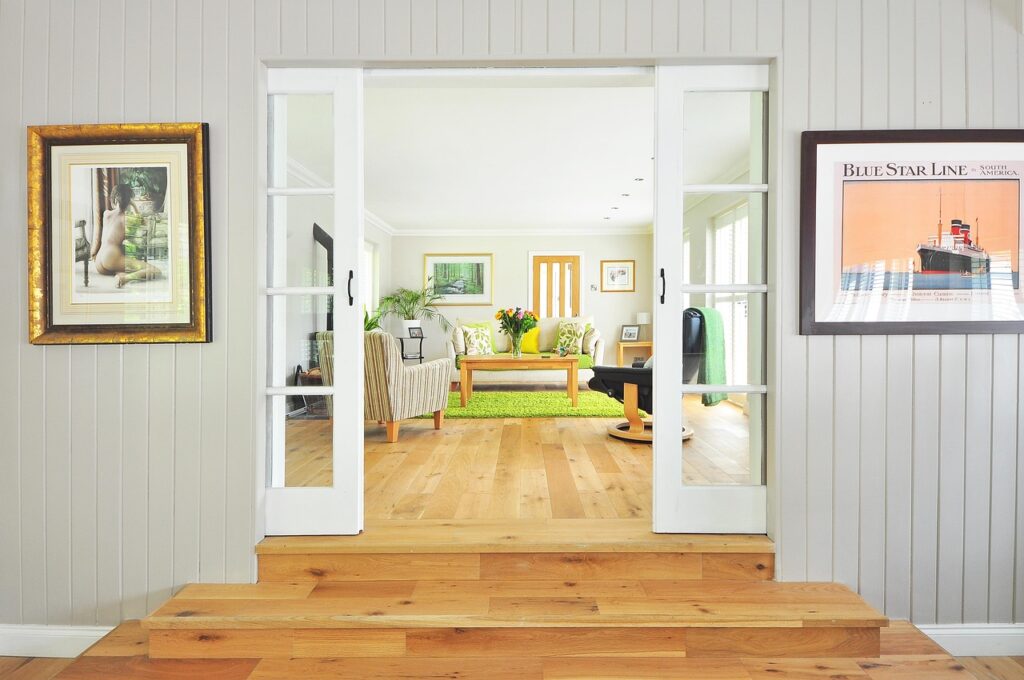
Dark brown floors remain one of the most requested looks in flooring. There’s something about a rich, warm brown floor that grounds a room and creates an immediate sense of sophistication. Whether it’s a deep walnut hardwood, a chocolate-toned vinyl plank, or espresso-stained concrete, dark brown flooring makes a statement that lighter floors simply can’t match.
But dark brown floors come with considerations that lighter options don’t. They show dust and scratches more readily, they can make small rooms feel smaller, and choosing the wrong shade can clash with your design vision. This guide covers everything from material selection to design strategies to maintenance — so your dark brown floor looks stunning for years to come.
Dark Brown Flooring Materials
Hardwood
Dark brown hardwood is the classic choice and still the gold standard for this look. Several wood species naturally present in dark brown tones, while others achieve the color through staining:
- Walnut: Naturally rich chocolate brown with purple and gray undertones. One of the most beautiful dark woods available, though softer than oak (Janka hardness 1010)
- Hickory (stained): Extremely hard (Janka 1820), takes dark stain beautifully, and the dramatic grain pattern adds character
- Oak (dark stained): The most popular choice — red or white oak stained in espresso, dark walnut, or Jacobean creates a stunning dark brown floor with excellent durability (Janka 1290-1360)
- Brazilian cherry (Jatoba): Rich reddish-brown that deepens over time. Extremely hard (Janka 2350) but expensive
- Mahogany: Warm reddish-brown with a distinctive luster. Mid-range hardness (Janka 800-1500 depending on species)
Engineered Hardwood
Engineered hardwood offers the authentic look of dark brown wood with better moisture stability and suitability for installation over concrete and radiant heat. The real wood veneer on top (typically 2-6mm thick) can be sanded and refinished at least once, and high-quality engineered products are virtually indistinguishable from solid hardwood.
Engineered hardwood is often the better choice over solid for dark brown floors because the increased stability reduces the risk of gaps and cupping that can be more visible on darker floors.
Luxury Vinyl Plank
Dark brown vinyl plank has come incredibly far in realism. Today’s premium products feature embossed-in-register textures that match the printed grain pattern, creating a surprisingly convincing dark wood look. The advantages for dark brown specifically are significant — vinyl is more scratch-resistant than hardwood, which matters because scratches on dark floors are very visible.
Brands like COREtec, Shaw Floorté, and Karndean offer beautiful dark brown options that mimic walnut, stained oak, and acacia at a fraction of the cost.
Laminate
High-quality dark brown laminate from brands like Mohawk RevWood, Pergo, and Quick-Step provides another affordable alternative. Modern laminate photography captures grain detail remarkably well, and embossed textures add realism. For budget-conscious projects, laminate delivers excellent visual impact per dollar.
Tile
Wood-look porcelain tiles in dark brown tones offer the aesthetic with the ultimate in durability and moisture resistance. These work particularly well in kitchens, bathrooms, and sunrooms where real wood might not be practical. Large-format plank tiles (8×48 or 12×72) provide the most realistic wood floor effect.
Actual dark brown stone tiles — chocolate travertine, brown granite, or dark limestone — offer another approach to dark brown flooring, though with a very different aesthetic than wood.
Stained Bamboo
Strand-woven bamboo stained in dark brown tones is an eco-friendly option that’s incredibly hard (Janka 3000+). The compressed fiber structure creates a unique grain pattern that’s distinctly different from wood. Dark stains on bamboo can look stunning, but quality varies significantly — stick with reputable brands.
Shades and Undertones
Warm Dark Brown
Warm dark browns have red, orange, or gold undertones. Think walnut, mahogany, and teak. These tones create a cozy, inviting atmosphere and pair beautifully with warm metals (brass, gold, copper), earth tones, and traditional or transitional design styles. Warm dark brown floors look especially welcoming in living rooms and dining rooms.
Cool Dark Brown
Cool dark browns lean toward gray, purple, or ash undertones. Fumed or smoked oak often falls into this category, as does wenge wood. Cool-toned dark browns feel more contemporary and sophisticated. They pair well with cool metals (chrome, nickel, stainless steel), blues, and modern minimalist design.
Neutral Dark Brown
Neutral dark browns — like a classic espresso or dark chocolate — sit in the middle without strong warm or cool leanings. These are the most versatile, working with both warm and cool design palettes. If you’re unsure about undertones, a neutral dark brown is the safest bet.
Reddish Dark Brown
Distinct from warm brown, reddish dark brown features prominent red undertones. Brazilian cherry (jatoba) and cherry wood are classic examples. This shade has fallen slightly out of fashion compared to its peak popularity in the early 2000s, but it remains beautiful in the right design context — particularly traditional, craftsman, and Asian-inspired interiors.
How to Choose the Right Undertone
The key to choosing the right dark brown undertone is coordinating with your fixed elements — cabinets, countertops, built-ins, and trim that aren’t changing. If your kitchen cabinets have warm wood tones, choose a warm dark brown floor. If your home features cool gray walls and stainless steel appliances, a cool-toned dark brown will coordinate better.
Always bring flooring samples home and view them in your actual lighting. Dark brown floors look dramatically different under warm incandescent lighting versus cool LED or natural daylight.
Design Tips for Dark Brown Floors
Balance Dark Floors with Light Elements
The most important design principle for dark brown floors is contrast. Dark floors look best when balanced with lighter walls, ceilings, and furnishings. White or off-white walls are the classic pairing, but light grays, soft creams, and pale sage greens also work beautifully. Without this contrast, dark floors can make a room feel heavy and cave-like.
Embrace High Contrast
Dark brown floors create a natural platform for high-contrast design. White baseboards against dark floors create a crisp, defined look. Light area rugs on dark floors make a strong visual statement. This contrast is what gives dark floor rooms their dramatic appeal — lean into it rather than trying to minimize it.
Use Ample Lighting
Dark floors absorb more light than light floors, so adequate lighting is essential. Combine ambient ceiling lighting with task lighting and accent lights. In rooms with limited natural light, dark floors can make the space feel dim — compensate with layered artificial lighting. Recessed lights, floor lamps, and under-cabinet lighting all help.
Consider Room Size
Dark floors work best in medium to large rooms with good natural light. In small, windowless rooms, dark brown flooring can make the space feel even smaller and darker. If you’re set on dark floors in a smaller room, keep everything else light — walls, trim, furnishings, and window treatments — and maximize lighting.
Strategic Use of Area Rugs
Area rugs serve a dual purpose on dark brown floors: they add visual interest through contrast, and they protect high-traffic paths from the scratches and wear that dark floors show more readily. Light-colored or boldly patterned rugs look stunning against dark brown flooring. Place rugs in living room seating areas, dining areas, and bedroom sides.
Choose the Right Finish
Matte and satin finishes are far more practical than high-gloss on dark brown floors. Glossy dark floors show every speck of dust, every footprint, and every scratch with ruthless clarity. A matte or satin finish minimizes these issues while still looking rich and sophisticated. Glossy dark floors can mean more time cleaning than enjoying the floor.
Room-by-Room Guide
Living Room
Dark brown floors are at their best in living rooms. The warm, grounding effect creates a cozy atmosphere for relaxation and entertaining. Pair with a large light-colored area rug, comfortable furnishings, and layered lighting. If the living room is open to the kitchen, carrying the dark floor throughout creates a dramatic, cohesive space.
Bedroom
Dark floors in bedrooms create a restful, cocoon-like atmosphere. The key is bedside rugs — cold dark floors aren’t the most welcoming thing to step onto first thing in the morning. Light bedding against dark floors creates a beautiful contrast that makes the bed the focal point of the room.
Kitchen
Dark brown kitchen floors pair beautifully with white or light-colored cabinets for a classic high-contrast look. The combination is timeless and photographs beautifully. However, dark kitchen floors show crumbs, spills, and pet hair immediately — if you’re not committed to frequent cleaning, consider a medium-toned alternative for the kitchen.
Bathroom
Dark brown works well in bathrooms when paired with white fixtures and light-colored walls. Use waterproof materials — dark brown porcelain tile or luxury vinyl plank. The dark floor creates a spa-like atmosphere, especially in larger master bathrooms. Avoid dark floors in very small bathrooms where the darkness can feel oppressive.
Entryway
Dark brown flooring makes a dramatic first impression in entryways. Choose durable, scratch-resistant materials for this high-traffic area. Consider that entryways see a lot of dirt and debris — while dark floors don’t show dirt as much as light floors, they show dust and light-colored debris more. A good doormat and regular sweeping keep a dark entryway floor looking its best.
Pairing Dark Brown Floors with Decor
Best Wall Colors
- White and off-white: The safest, most classic pairing. Creates maximum contrast and keeps the room bright
- Light gray: Contemporary and sophisticated. Works well with cool-toned dark browns
- Sage green: A current favorite — the earthy green connects naturally with dark wood tones
- Navy blue: Bold and dramatic. Best in larger rooms with abundant natural light
- Warm beige: Creates a cohesive, tonal look. Pair with warm-toned dark brown floors
- Soft blush: Unexpected but beautiful. The pink warmth complements dark brown wood tones
Kitchen Cabinet Colors
White cabinets with dark brown floors is a classic combination that never goes out of style. Light gray cabinets also pair beautifully, particularly with cool-toned dark brown flooring. Dark cabinets with dark brown floors can work in large, well-lit kitchens but requires careful management to avoid an overly heavy feel — use light countertops and backsplash to provide relief.
Furniture Recommendations
Avoid furniture in the same shade as the floor — everything blends together and loses definition. Instead, choose furniture that contrasts: light upholstery, lighter wood tones, or painted pieces. Mid-century modern furniture in lighter woods (ash, maple, birch) looks particularly striking against dark brown floors.
Metal Finishes
Warm metals (brass, gold, copper) complement warm-toned dark brown floors beautifully. Cool metals (chrome, nickel, brushed steel) pair better with cool-toned dark browns. Black metal hardware and lighting fixtures work with any dark brown tone and add to the dramatic effect.
Pros and Cons of Dark Brown Flooring
Pros
- Sophisticated appearance: Dark brown floors instantly elevate a space’s perceived quality and design level
- Hides stains well: Spills, watermarks, and discoloration are less visible on dark surfaces
- Creates warmth: The rich tones make spaces feel cozy and inviting
- Versatile design foundation: Works with traditional, modern, transitional, and rustic design styles
- Timeless appeal: Dark wood floors have been prized for centuries and never truly go out of style
- Dramatic contrast: Creates a stunning visual platform for lighter furnishings and decor
Cons
- Shows dust and pet hair: Every light-colored particle is visible on dark surfaces
- Shows scratches: Scratches expose lighter material underneath, making them very noticeable
- Can make small rooms feel smaller: Dark floors absorb light and visually shrink spaces
- Requires more frequent cleaning: You’ll sweep and dust mop more often to keep dark floors looking clean
- Shows footprints: Especially on glossy finishes, bare footprints and shoe prints are visible
- Limits future design changes: Dark floors are a strong design commitment that influences all other choices
Maintenance and Care
Daily Maintenance
Dark brown floors need daily sweeping or dust mopping — there’s no way around it. Dust, pet hair, and light-colored debris are glaringly visible on dark surfaces. A microfiber dust mop is your best friend. The Bona Microfiber Floor Mop or O-Cedar EasyWring works well for daily maintenance.
Weekly Deep Cleaning
Damp mop weekly with a product appropriate for your flooring material. For hardwood, use a hardwood-specific cleaner (Bona Hardwood Floor Cleaner is excellent). For vinyl and laminate, a pH-neutral floor cleaner works well. Avoid excess water on any flooring type — wring your mop thoroughly.
Scratch Prevention
Scratches on dark brown floors are significantly more visible than on lighter floors because the scratch exposes lighter material underneath, creating high contrast. Protect your investment with:
- Felt pads on all furniture legs (replace every 6-12 months)
- Doormats at every entrance
- A no-shoes policy indoors
- Regular pet nail trimming
- Furniture sliders for heavy pieces
- Area rugs in high-traffic paths
Refinishing (Hardwood)
Dark stained hardwood floors can be sanded and refinished when they show significant wear. You can maintain the dark brown color by reapplying the same stain, or completely change the floor’s look by choosing a different stain color. This ability to reinvent the floor is a major advantage of real hardwood over vinyl and laminate alternatives.
Cost Comparison
Here’s what you can expect to pay for dark brown flooring options, fully installed:
- Laminate: $3 – $7 per sq ft installed
- Luxury vinyl plank: $4 – $9 per sq ft installed
- Engineered hardwood: $6 – $14 per sq ft installed
- Porcelain wood-look tile: $7 – $15 per sq ft installed
- Solid hardwood (domestic): $8 – $16 per sq ft installed
- Solid hardwood (exotic): $12 – $25+ per sq ft installed
- Strand-woven bamboo: $6 – $12 per sq ft installed
For most homeowners, engineered hardwood or luxury vinyl plank in dark brown offers the best balance of appearance, durability, and value. Solid exotic hardwoods like walnut and Brazilian cherry are stunning but come at a significant premium.
Frequently Asked Questions
Are dark brown floors hard to keep clean?
Honestly, yes — dark brown floors require more visible maintenance than lighter floors. Dust, pet hair, crumbs, and any light-colored debris show up prominently on dark surfaces. You’ll need to sweep or dust mop daily to keep the floor looking clean. However, dark floors actually hide stains, watermarks, and discoloration better than light floors. It’s a trade-off — you’ll sweep more but worry less about permanent staining. A matte or satin finish helps significantly compared to high-gloss, which shows every particle and footprint.
Do dark brown floors make a room look smaller?
Dark floors can make a room feel somewhat smaller because they absorb rather than reflect light. However, this effect is manageable with the right design choices. Keep walls and ceilings light (white or pale colors), use ample lighting, and choose lighter-colored furnishings to create contrast. In medium to large rooms with good natural light, dark brown floors look absolutely stunning. Be cautious with dark floors in very small rooms (under 100 sq ft) with limited natural light — in those spaces, a lighter floor will serve you better.
What color furniture goes best with dark brown floors?
The key principle is contrast — avoid furniture in the same shade as the floor, which creates a visually flat, undefined space. Light-colored upholstery (white, cream, light gray, soft blue) creates beautiful contrast on dark brown floors. For wood furniture, choose lighter tones — maple, ash, birch, or painted white pieces stand out beautifully. Mid-century modern furniture with lighter wood frames is particularly striking. If you want dark furniture, choose a distinctly different shade — for example, black furniture on dark brown floors works because the contrast is clear.
Which dark brown flooring is most scratch-resistant?
Porcelain wood-look tile is the most scratch-resistant option — it’s virtually impervious to scratches from pets, furniture, and foot traffic. Among more traditional options, luxury vinyl plank with a 20+ mil wear layer offers excellent scratch resistance, followed by strand-woven bamboo. Hardwood, despite its beauty, is the most susceptible to visible scratches on dark surfaces. If you have large dogs or heavy furniture, prioritize scratch resistance — the beautiful dark floor that’s covered in visible scratches loses much of its appeal.
Is dark brown flooring still in style?
Dark brown flooring is a timeless choice rather than a trend, so “going out of style” isn’t really a concern. That said, the dominant trend in 2025-2026 has shifted toward lighter, warmer tones — particularly light and medium oak looks. Dark brown remains popular for traditional, transitional, and dramatic modern interiors, but it’s no longer the default choice it was a decade ago. The practical advice: choose dark brown flooring because you genuinely love the look and it suits your home, not because of trends. A well-designed room with dark brown floors will look stunning regardless of what’s trending on social media.
Prefer to explore on your own?
See how new flooring looks in your actual room in seconds — free, no signup.
Try the free Floor Studio →