Tile doesn’t have to be a plain, permanent surface you simply live with. There are plenty of creative, budget-friendly ways to refresh a tiled floor, wall, or backsplash without ripping anything out. Learning how to decorate tiles opens up options ranging from clever layout patterns and stencils to paint, decals, and grout color changes, each capable of transforming a tired space into something stylish. This guide walks through the most effective techniques, what they cost, and how to get professional-looking results.
Whether you’re working with existing tile or planning a new install, here’s how to add personality.
Decorate With Layout Patterns
If you’re installing new tile, the pattern itself becomes the decoration. The way tiles are arranged dramatically changes a room’s character:
- Herringbone: a classic zigzag that adds elegance and visual movement
- Chevron: sharp angled points for a modern, dynamic look
- Basketweave: traditional charm, popular for bathrooms
- Diagonal: set on a 45-degree angle to make small rooms feel larger
- Pinwheel: small accent tiles framed by larger ones for visual interest
Patterns like herringbone and chevron require 15 to 20 percent extra material for cuts, so budget accordingly.
Budget and Effort by Method
Each decorating method sits at a different point on the cost-and-effort scale, so match your choice to your time and budget:
- Tile decals and stickers: lowest cost and effort; ideal for renters and quick refreshes, often under $50 for a small area.
- Grout recoloring: very affordable and high-impact; a colorant kit runs $20 to $40.
- Painting tile: moderate effort with strong results; $50 to $150 in materials for a small floor or backsplash.
- Accent tiles in a new install: higher cost but permanent and seamless.
- Full patterned layouts: the biggest investment in material and labor, reserved for new tile jobs.
Use Decorative Accent Tiles
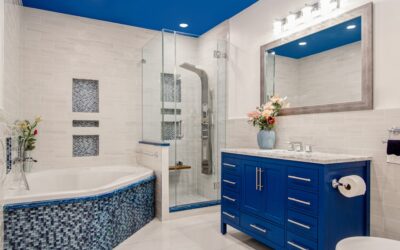
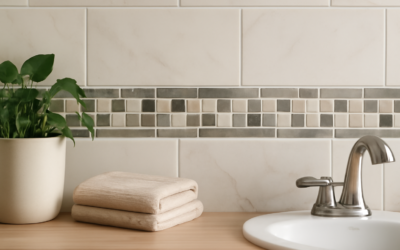
Mixing in patterned, encaustic-look, or mosaic accent tiles is one of the easiest ways to elevate a design. A band of patterned tile as a border, a mosaic inset in a shower floor, or a single statement row in a backsplash adds character without committing the whole surface to a bold look. Encaustic-look porcelain delivers the vintage cement-tile aesthetic with far less maintenance.
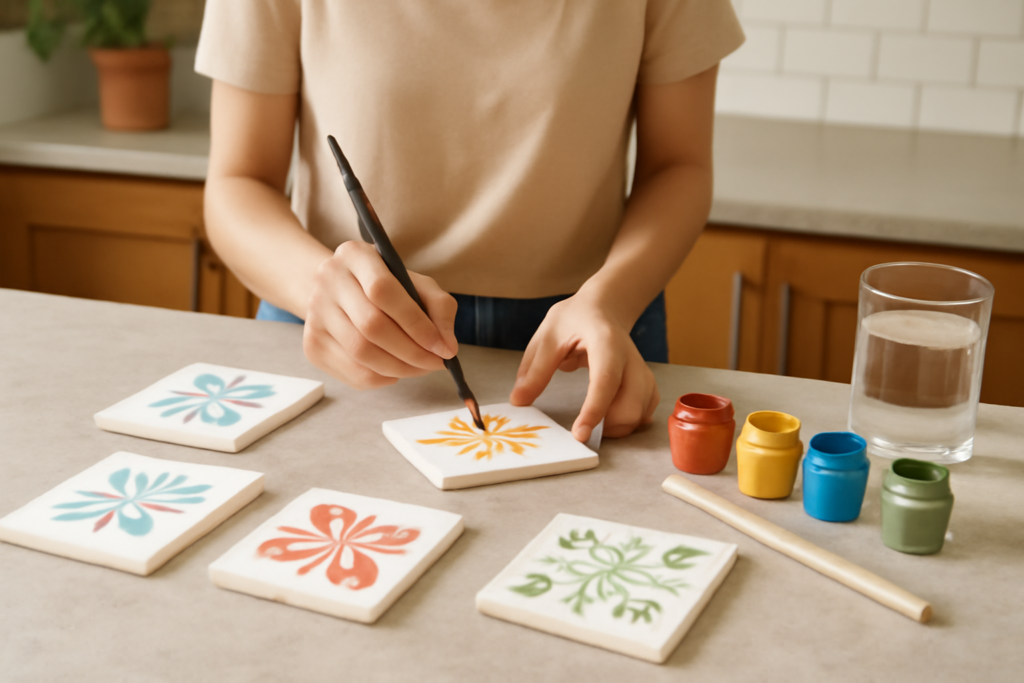
Paint Existing Tile
For tile you can’t or don’t want to replace, painting is a transformative budget option. With proper prep, painted tile can last for years:
- Clean thoroughly to remove all grease, soap scum, and grime.
- Lightly sand the surface so primer adheres.
- Apply a high-adhesion bonding primer made for tile or glossy surfaces.
- Paint with a durable enamel or specialized tile paint, two thin coats.
- Add a stencil pattern between coats for a custom cement-tile look.
- Seal with a clear urethane topcoat for durability, especially on floors.
Expect to spend $50 to $150 in materials to redo a small floor or backsplash, versus hundreds or thousands to re-tile.
Apply Tile Decals and Stickers
Peel-and-stick tile decals are the lowest-commitment option of all. Available in patterned, solid, and faux-cement designs, they apply directly over clean, smooth existing tile. They’re ideal for renters and quick refreshes, and they peel off without damaging the surface underneath. Quality vinyl decals resist moisture well enough for backsplashes and even floors in low-traffic areas.
Refresh the Grout
Never underestimate grout. Dingy, discolored grout makes even nice tile look dated, while fresh grout transforms the entire surface. You have two routes:
- Clean and reseal: scrub with a grout cleaner and apply fresh sealer for a quick lift.
- Recolor: apply a grout colorant or stain to change white grout to charcoal, gray, or another shade for a bold modern contrast.
Switching from light to dark grout is a surprisingly dramatic, low-cost makeover.
Style Around the Tile
Sometimes the best decoration is what surrounds the tile. Layer washable rugs over a tiled floor, add open shelving with styled decor near a backsplash, or coordinate fixtures and hardware to complement the tile’s tone. These touches let you change the look seasonally without altering the tile itself.
Decorating Tiles for Specific Rooms
The best decorating approach shifts with the room’s demands. Match the technique to the space:
- Kitchen backsplash: patterned accent tiles, peel-and-stick decals, or a bold grout color make a quick, high-impact statement.
- Bathroom floors and walls: moisture-resistant porcelain in herringbone or basketweave, with sealed grout to resist mildew.
- Entryway: a durable encaustic-look pattern that hides dirt and welcomes guests.
- Outdoor patios: exterior-rated patterned tile, since paint and decals won’t survive the weather.
Common Mistakes to Avoid
A few missteps can undo otherwise good work. Skipping surface prep is the biggest one; paint and decals will not adhere to greasy or glossy tile, so cleaning and priming are non-negotiable. Choosing the wrong product for a wet area is another frequent error, since interior decals and standard paint fail under constant moisture. Don’t overdo bold patterns either; a little goes a long way, and an entire room of busy tile can quickly feel overwhelming. Finally, always test your chosen method on a small, hidden tile first to confirm adhesion and color before committing to the whole surface.
Choosing the Right Approach
Match the technique to your goal and budget. For new installs, lean on layout patterns and accent tiles. For existing tile on a tight budget, paint or decals deliver the biggest change for the least money, and a grout refresh adds an easy finishing touch. Test any paint or decal on a small hidden area first, and prioritize durable products in wet or high-traffic zones. With these methods, you can decorate tiles to suit your style without the cost and mess of a full replacement.
The beauty of decorating existing tile is that you can refresh a dated space for a fraction of the cost of re-tiling, often in a single weekend. Start small with a grout refresh or a peel-and-stick accent if you’re unsure, then commit to painting or a full pattern once you see the impact. Whether you’re a renter looking for a temporary update or a homeowner planning a permanent change, there’s a method here to suit your budget, skill level, and style, transforming plain tile into a feature you’re proud of.
Prefer to explore on your own?
See how new flooring looks in your actual room in seconds — free, no signup.
Try the free Floor Studio →