The wall area around a bathtub is prime real estate that most homeowners leave as a blank, builder-grade box. Learning how to decorate a tub surround can transform that flat expanse into the focal point of the bathroom — and it doesn’t always require a full demolition. Whether you’re working with existing tile, a fiberglass insert, or a fresh remodel, thoughtful materials and styling turn a utilitarian alcove into a spa-like retreat. Here’s how to approach it like a designer.
- Start With the Surface
- Add an Accent Niche
- Use an Accent Band or Feature Wall
- Style the Edges and Ledge
- Lighting and Color
- Choose a Tile Layout That Adds Interest
- Budget-Friendly Refresh Ideas
- Don't Forget the Practical Side
- Coordinate the Surround With the Whole Bathroom
- Mistakes to Avoid
- Pull It All Together
Start With the Surface
The biggest visual impact comes from the surround material itself. If you’re remodeling, tile is the go-to: large-format porcelain reads modern and has fewer grout lines to clean, while classic subway tile feels timeless and forgiving on a budget. For a more dramatic look, run tile all the way to the ceiling rather than stopping at the standard 6-foot height — a full-height surround makes a small bathroom feel taller and more custom. Natural stone or stone-look porcelain adds warmth and texture if your budget allows.
Working With What You Have
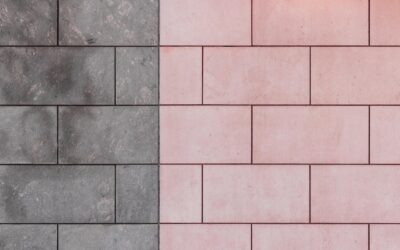
Not ready to retile? You still have options. A high-quality tub-and-tile refinishing kit can refresh dated colors, and waterproof wall panels can be installed over an existing surround for a clean, seamless look. Even regrouting and recaulking in a crisp white instantly sharpens a tired surround.
Add an Accent Niche
A recessed niche is both practical and decorative. Built into the wall at shoulder height, it holds shampoo and soap while creating a designed moment. Tile the back of the niche in a contrasting material — a glass mosaic, a metallic tile, or a marble slab — to make it pop against the field tile. If a recessed niche isn’t possible, a slim corner shelf or a sleek ledge along the back wall achieves a similar effect.
Use an Accent Band or Feature Wall
Breaking up a large tiled surround keeps it from feeling flat. A horizontal accent band of mosaic or patterned tile at eye level adds interest, while a single feature wall — say, the back wall of the surround in a bold patterned tile — draws the eye and lets you keep the side walls simple. Penny rounds, fish-scale, herringbone, and zellige-style tiles all bring personality without overwhelming a small space.
Style the Edges and Ledge
Many tub surrounds include a deck or ledge, and that’s your styling canvas. Keep it curated rather than cluttered:
- A small wood or teak tray holding a candle and a folded washcloth
- A trailing plant that tolerates humidity, like pothos or a small fern
- A single bar of nice soap in a stone dish
- A rolled towel or two in a coordinating color
Edit ruthlessly — three well-chosen objects look intentional; ten look like a junk drawer.
Lighting and Color
Decorating isn’t only about hard materials. The right lighting flatters the whole surround — a dimmable sconce or a warm overhead fixture turns a soak into an experience. Tie the color story together with a shower curtain, bath mat, and towels in a cohesive palette. Even with a neutral tiled surround, swapping textiles seasonally keeps the look fresh without any construction.
Choose a Tile Layout That Adds Interest
How you set the tile changes the entire feel of a surround, often more than the tile itself. A few layouts to consider:
- Classic running bond (offset subway): Timeless and forgiving, great for a clean traditional look.
- Vertical stack: Running tile vertically draws the eye upward and makes the ceiling feel higher.
- Herringbone: Adds movement and a custom, tailored look — ideal for a feature wall.
- Large-format slabs: Minimal grout lines for a sleek, modern, easy-to-clean surround.
Pick one strong layout and carry it consistently so the surround reads intentional rather than chaotic.
Budget-Friendly Refresh Ideas
You can dramatically improve a tub surround without a renovation budget. Peel-and-stick tile or waterproof vinyl tile applied over a sound surface gives an updated look for a fraction of retiling, just keep it out of the direct splash zone or seal the edges well. Painting outdated tile with a proper tile-and-tub epoxy refreshes color, and swapping the faucet, showerhead, and trim to a single modern finish instantly modernizes the whole alcove. New caulk and bright white grout cost almost nothing and make everything look cared for. These low-cost moves are perfect for renters and quick flips.
Don’t Forget the Practical Side
Decoration should never compromise function in a wet zone. Use only mildew-resistant, moisture-tolerant materials on the surround. Keep grout sealed, caulk lines clean, and choose finishes rated for bathroom humidity. Anything you place on the ledge should be water-safe — skip paper-backed art or untreated wood that will warp. A beautiful surround that grows mold in six months isn’t a win.
Coordinate the Surround With the Whole Bathroom
A surround shouldn’t feel like an island. Tie it to the rest of the room so the design reads as one cohesive space. Echo the surround’s metal finish in the faucet, towel bars, and lighting, and repeat one of its colors in the vanity, paint, or textiles. If you’ve used a patterned accent in the surround, keep the other surfaces calmer so the eye isn’t overwhelmed. Even small repeats — a wood tone shared between a tub tray and the vanity, or a tile color picked up in the towels — make the bathroom feel intentionally designed rather than assembled piece by piece.
Mistakes to Avoid
A few common missteps undo otherwise good surrounds. Over-cluttering the ledge is the most frequent, turning a spa moment into visual noise. Mixing too many tile patterns or metal finishes muddies the look. Using non-moisture-rated materials in the splash zone leads to warping and mold. And stopping wall tile at an awkward mid-wall height can look unfinished — either run it to a logical line or commit to full height. Edit, coordinate, and respect the wet environment, and your surround will look polished for years.
Pull It All Together
The most successful tub surrounds layer one strong material decision with a few restrained accents: a full-height tile, a contrasting niche, an accent band, and a tidy, styled ledge. Start with the surface, add a focal point, then finish with curated styling and good lighting. Whether you renovate or simply refresh, knowing how to decorate a tub surround lets you turn the plainest bathroom alcove into a space that feels custom, calm, and genuinely yours.