A single wall can completely change how your dining room feels. A well-executed dining room accent wall adds depth, personality, and visual interest without the cost of a full room renovation. Whether you go bold with a dark paint color or textured with reclaimed wood planks, the key is choosing a treatment that complements your table, lighting, and overall style rather than competing with them.
Choosing Which Wall to Accent
Not every wall in your dining room is a good candidate. Pick the wall that your eyes naturally land on when you walk into the room. In most dining rooms, this is the wall directly opposite the main entrance or the wall behind the head of the table.
Avoid accenting a wall with too many windows or doors, as the interruptions break up the visual impact. Walls with a fireplace, built-in buffet, or large piece of art are excellent choices because the accent treatment frames those features. If your dining room opens into a living area, the shared wall can serve as a natural dividing line between the two spaces.
Paint: The Fastest and Most Affordable Option
A painted dining room accent wall costs $30 to $80 in materials for a standard 10 x 8-foot wall and takes a Saturday afternoon. Dark, saturated colors create the most dramatic contrast against lighter surrounding walls. Navy blue, forest green, charcoal, burgundy, and deep terracotta are all popular choices that pair well with wood dining furniture and warm lighting.
For a more subtle approach, try a color that is three to four shades deeper than your existing wall color. This creates a tonal accent that adds dimension without overwhelming the space. Benjamin Moore’s Hale Navy (HC-154) and Sherwin-Williams Tricorn Black (SW 6258) are two of the most requested accent wall colors by interior designers.
Matte and eggshell finishes work best for accent walls in dining rooms. High-gloss finishes show every imperfection and create distracting reflections from overhead lighting, especially in rooms with chandeliers or pendant lights.
Wood Accent Walls
Wood brings warmth and texture that paint simply cannot replicate. You have several options at various price points.
Shiplap
Horizontal shiplap planks create a clean, farmhouse-inspired look. Pre-primed pine shiplap from home improvement stores runs $2.50 to $4.00 per square foot. For a 10 x 8-foot wall (80 sq ft), expect to spend $200 to $320 on materials. Installation is beginner-friendly with a brad nailer and construction adhesive.
Reclaimed Wood Planks
Peel-and-stick reclaimed wood panels like Stikwood or Artis Wall cost $8 to $15 per square foot but deliver an authentic weathered look. The adhesive backing means no nail holes and easy removal, making this a renter-friendly option. Total cost for an 80-square-foot wall: $640 to $1,200.
Board and Batten
Vertical battens applied over a flat surface create an elegant, traditional look. Use 1×2 or 1×3 lumber spaced 12 to 16 inches apart. Materials run $100 to $200, and the finished result pairs beautifully with formal dining furniture.
Wallpaper and Murals
Modern wallpaper has evolved far beyond your grandmother’s floral prints. Peel-and-stick wallpaper ($1 to $4 per square foot) makes it possible to create a dining room accent wall that you can change with the seasons or your mood. Bold geometric patterns, botanical prints, and large-scale murals are trending choices for dining rooms.
Traditional paste wallpaper ($2 to $8 per square foot) offers more pattern variety and a more permanent finish. Grasscloth wallpaper ($4 to $12 per square foot) adds both visual and tactile texture, creating a luxurious backdrop for formal dining. Professional wallpaper installation costs $200 to $500 for a single accent wall if you prefer not to DIY.
Stone and Brick Veneer
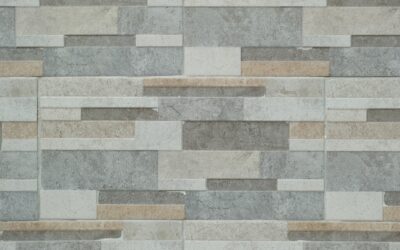
Faux stone panels and thin brick veneer give your dining room a rustic, European-inspired character without the structural requirements of full masonry. Manufactured stone veneer panels from companies like GenStone or Texture Plus cost $8 to $15 per square foot installed.
Real thin-cut brick veneer runs $6 to $12 per square foot for materials alone. Each brick is roughly 1/2 inch thick, so it adds minimal depth to the wall while delivering the authentic texture and color variation of real brick. Sealing the surface with a matte sealer protects against stains from food and beverages without adding unwanted shine.
Molding and Trim Accents
Picture frame molding, wainscoting, and raised panel treatments create a sophisticated accent wall using nothing more than inexpensive trim pieces and paint. This approach works especially well in traditional, transitional, and French country dining rooms.
Apply rectangular frames made from 1/2-inch panel molding in an evenly spaced grid pattern across the wall, then paint everything the same color for a monochromatic, textured effect. Materials cost $50 to $150 depending on molding style, and the result looks like custom architectural millwork at a fraction of the cost.
Color Coordination Tips
Your dining room accent wall should complement the rest of the room rather than clash with it. A few guidelines keep the design cohesive.
- 60-30-10 rule: Use the dominant color on 60% of surfaces (surrounding walls, ceiling), a secondary color on 30% (furniture, curtains), and the accent wall color on the remaining 10%
- Pull from existing elements: Choose a color already present in your rug, artwork, or upholstery and amplify it on the accent wall
- Contrast warm with cool: Warm-toned furniture (oak, walnut, brass fixtures) pops against cool accent walls (navy, slate, sage). Cool-toned furniture (chrome, glass, painted white) stands out against warm walls (terracotta, gold, deep red)
- Test before committing: Paint a 2 x 2-foot sample patch and observe it at different times of day. Dining room walls look dramatically different under evening chandelier light versus midday sun
Installation Costs at a Glance
Budget ranges for an 80-square-foot accent wall, including materials and professional labor where noted.
- Paint (DIY): $30 to $80
- Shiplap (DIY): $200 to $350
- Peel-and-stick wood planks: $640 to $1,200
- Wallpaper (DIY): $80 to $640
- Stone veneer (installed): $640 to $1,200
- Molding and trim (DIY): $50 to $200
A painted accent wall remains the most accessible entry point for homeowners on a budget, while wood and stone treatments deliver the highest perceived value. Whichever route you choose, a dining room accent wall is one of the highest-impact, lowest-cost upgrades you can make to your home.