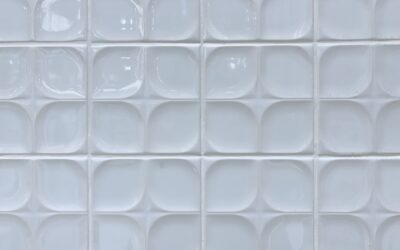
A kitchen backsplash is the highest-impact, lowest-square-footage upgrade you can make. Even an ambitious project rarely covers more than 30 square feet, which means the entire job — materials and tools — usually fits under $400. Good diy backsplash ideas work because they hide minor imperfections, install with hand tools instead of a tile saw, and let a careful homeowner finish the project in a weekend without hiring a contractor.
Part of our Kitchen Remodeling guide — explore the full guide →
I have walked through enough Pinterest-fueled regret in my career to know which ideas hold up and which look amateur after six months. The honest list is shorter than the inspiration boards suggest, but every one of these works for a real homeowner.
- Peel-and-Stick Tile for True Beginners
- Real Subway Tile for Lasting Quality
- Beadboard or Shiplap for Cottage Style
- Stainless Steel Sheet for Modern Industrial Look
- Painted Tile Patterns for Color Personality
- Wallpaper Backsplash Behind a Glass Sheet
- Tin Ceiling Tiles on the Wall
- Mistakes to Avoid on Any DIY Backsplash
Peel-and-Stick Tile for True Beginners
Modern peel-and-stick tile has evolved well past the early plastic-printed stuff. Smart Tiles and Vinyl Solo make adhesive-backed tiles in real glass, metal, and gel-finish patterns that read as the real thing from 3 feet away. Cost runs $7 to $15 per square foot. Total for a 30-square-foot kitchen comes in under $300.
Apply over clean, primed drywall or smooth painted surfaces. They will not stick to textured walls, plaster with rough finish, or grease-coated areas. Heat the back of each tile with a hair dryer for 20 seconds before pressing for the strongest bond. Expect 5 to 7 years of life with reasonable kitchen exposure.
Real Subway Tile for Lasting Quality
Three-by-six white subway tile is the single most forgiving DIY backsplash material. At $0.30 to $1 per tile from Home Depot or Floor & Decor, a 30-square-foot kitchen runs $40 to $150 in tile plus mortar, grout, and trim. The straight grid layout hides minor wall imperfections and forgives small cutting errors.
Use mastic for vertical applications instead of thinset — it holds tile in place during setup and dries cleaner. A 1-gallon tub of TEC SuperSet at $25 covers about 50 square feet. Pre-mixed grout in a quart size like Mapei Flexcolor CQ at $25 lets you skip mixing and gives consistent color.
Beadboard or Shiplap for Cottage Style
For under $100 in materials, a 4-by-8 sheet of MDF beadboard from Lowe’s covers most of a small kitchen backsplash. Cut to height with a circular saw and trim against an existing countertop. Caulk all seams, prime, and paint with a satin or semi-gloss enamel like Sherwin-Williams Emerald at $90 a gallon for full coverage.
Seal the edges aggressively. Beadboard fails when water gets behind it through gaps near the sink and stove. A bead of clear silicone caulk along every edge keeps moisture out for 5 to 10 years.
Stainless Steel Sheet for Modern Industrial Look
A 36-by-30 inch piece of 18-gauge stainless steel from a metal supplier runs $100 to $200. Mounted with construction adhesive and a few finishing screws hidden in the corners, it creates a clean modern look that is also the easiest backsplash to clean — wipe down with a damp cloth and call it done.
Order with rolled or hemmed edges to avoid sharp corners. Some suppliers like OnlineMetals.com will cut to size for an extra $15 to $30. Get a brushed finish rather than mirror polish — fingerprints disappear on brushed and torment you on polished.
Painted Tile Patterns for Color Personality
Plain ceramic tile gets dull fast. A painted geometric pattern using high-bond enamel paint and stencils transforms the look for under $50 in supplies. Use Rust-Oleum Cabinet Transformations or Beyond Paint primer-and-paint, both rated for high-traffic kitchen surfaces. Apply over an existing tile backsplash that is in good shape but boring.
Stencils from Royal Design Studio or Cutting Edge Stencils run $25 to $60 each and can be reused on other projects. Seal the painted result with two coats of polyurethane to handle splatter and grease.
Wallpaper Backsplash Behind a Glass Sheet
For real Pinterest-grade impact, mount a sheet of clear or low-iron tempered glass over wallpapered drywall. The wallpaper provides the pattern. The glass provides the wipeable surface. A 24-by-48-inch piece of 1/4-inch tempered glass runs $80 to $150 from a local glass shop. Mount with mirror clips or French cleat hardware.
Spec waterproof or scrubbable wallpaper rated for kitchens. Brands like Spoonflower and Hygge & West have lines designed for these conditions. Avoid the budget vinyl wallpaper from import sites — the colors fade and the seams curl.
Tin Ceiling Tiles on the Wall
Decorative metal ceiling tiles, the kind in old diners, work beautifully as a backsplash. Twelve-by-twelve real tin tiles from American Tin Ceilings or Decorative Ceiling Tiles run $7 to $20 per tile. The pressed pattern hides imperfect cuts and minor wall flaws. Glue them up with construction adhesive and trim the edges with metal molding.
If real tin is over budget, faux tin made from PVC sells for $4 to $7 per tile and looks similar after a coat of metallic spray paint. Lighter, easier to cut with scissors, and immune to rust.
Mistakes to Avoid on Any DIY Backsplash
- Skipping the prep — rough or greasy walls fail every adhesive product
- Forgetting outlet adjustments — boxes need to come forward by the thickness of the backsplash
- Using budget caulk on the countertop joint — buy quality silicone like GE Sealants Kitchen and Bath at $9 a tube
- Cutting outlets too tight — leave 1/16-inch gap so plates cover the cuts cleanly
- Not buying 10 to 15 percent extra material — a small mistake on the last cut means another store run
Cover outlets and switches with plastic before mortar, paint, or grout. A drop cloth on the countertop saves an hour of cleanup. Tape every adjacent surface — cabinets, countertop, walls — and pull the tape while the adhesive is still slightly soft for crisp lines.
The best diy backsplash ideas keep ambition in line with skill. Start with peel-and-stick if it is your first vertical project. Step up to real tile only after you have done a small bathroom or laundry room as practice. The kitchen is a lot of visual real estate to get wrong, and a rushed backsplash will haunt every coffee morning for the next decade.