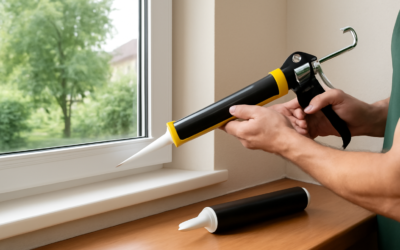
When an ordinary sealant keeps cracking, peeling, or growing mildew, it may be time to step up to a tougher product. Epoxy caulk is a two-part sealant that cures into a hard, durable, water-resistant joint, making it a favorite for high-moisture and high-wear areas where standard caulk falls short. If you are tackling a bathroom, kitchen, or any seam that takes a beating, understanding how this product works will help you get a long-lasting result.
Part of our Epoxy, Concrete & Garage Floors guide — explore the full guide →
This guide explains what epoxy caulk is, where it shines, how it compares to silicone, and how to apply it safely with the right preparation and protection. The safety steps are not optional; epoxy is a chemical product, and a few simple precautions make the job both better and safer.
What Epoxy Caulk Is
Unlike single-tube caulks that cure by reacting with air or moisture, epoxy caulk comes as two components, typically a resin and a hardener, that you combine right before use. The chemical reaction between the two cures the material into a rigid, bonded seal. That cured joint is notably harder and more abrasion-resistant than flexible silicone or acrylic caulks.
Because of this chemistry, epoxy products have a defined working time, often called pot life, after mixing. Once mixed, you have a limited window to apply the material before it begins to set, so planning and speed matter. Always follow the exact mix ratio and timing on the product’s data sheet, since these vary by formulation.
Where Epoxy Caulk Works Best
The hardness and water resistance of epoxy make it well suited to demanding spots. Common uses include:
- Tile-to-tub and tile-to-countertop joints that see constant water and need a durable, mold-resistant seal.
- Shower corners and floor seams where flexible caulk tends to fail over time.
- Sink and backsplash edges in kitchens exposed to water and cleaning chemicals.
- High-traffic floor joints that require an abrasion-resistant filler.
- Repairs where matching grout color matters, since some epoxy joint products coordinate with epoxy grout lines.
For movement joints that flex significantly, like the gap between very different materials that expand at different rates, a flexible sealant is sometimes the better choice. Check whether your application needs flexibility before committing to a rigid epoxy product.
Epoxy Caulk vs. Silicone
Silicone remains a strong all-purpose sealant: it stays flexible, resists water, and is easy to apply from a single tube. Epoxy trades some of that flexibility for greater hardness, abrasion resistance, and bonding strength. In practice, silicone is often ideal for joints that move and for quick jobs, while epoxy excels where you need a tough, long-wearing seal that resists scuffing and heavy cleaning.
One practical difference is workability. Silicone is more forgiving for beginners, while epoxy demands accurate mixing and faster application. If this is your first sealing project, practice on a scrap surface first to get a feel for the working time before you commit to the visible joint.
Safety First: Ventilation and PPE
Epoxy is a chemical product, and uncured resin and hardener can irritate skin, eyes, and airways. Take these precautions seriously before you open the containers:
- Ventilate the area. Open windows, run a fan, and keep fresh air moving while you mix and apply.
- Wear gloves. Use chemical-resistant gloves to keep uncured epoxy off your skin, since repeated contact can cause sensitization.
- Protect your eyes. Safety glasses prevent splashes during mixing.
- Avoid skin and eye contact. If the product touches skin, clean it promptly per the manufacturer’s instructions; if it reaches your eyes, follow the data sheet’s first-aid guidance.
- Read the safety data sheet. Each product has specific handling, ventilation, and protective requirements you should follow exactly.
This guide offers general home-improvement information, not medical advice. If you have a reaction or a question about exposure, follow the product instructions and seek appropriate professional help.
How to Apply Epoxy Caulk
Preparation is what separates a clean, lasting joint from a messy failure. Work through these steps:
- Clean and dry the joint. Remove old caulk, soap scum, dust, and grease. Epoxy bonds best to a sound, clean, dry surface.
- Mask the edges. Run painter’s tape along both sides of the joint for crisp lines and easier cleanup.
- Mix precisely. Combine the two parts at the exact ratio on the data sheet and blend thoroughly until uniform. An incorrect ratio can leave the caulk soft or under-cured.
- Apply within the pot life. Lay a smooth, continuous bead into the joint, working quickly before the material starts to set.
- Tool the bead. Smooth it with the appropriate tool per the manufacturer’s guidance to shape the joint and press it into full contact.
- Remove tape promptly. Pull the tape before the epoxy skins over for clean edges.
- Allow full cure. Keep the joint dry and undisturbed for the complete cure time listed on the data sheet before exposing it to water.
Patience during curing is critical. Using the joint or running water over it too soon can ruin an otherwise perfect application.
Special Uses and Limitations
Not every epoxy product is rated for every job. If your application involves potable water, drinking-water surfaces, or food contact, you must select a product specifically certified for that use; a general-purpose epoxy caulk is not automatically safe for those applications. The same goes for high-heat or specialized chemical-exposure situations, where you need a product rated for the conditions.
When in doubt about a critical application, consult the manufacturer or a qualified professional. The cost of choosing the wrong sealant for a sensitive use far outweighs the price of the correct rated product.
Maintenance and Longevity
Once fully cured, an epoxy joint needs little upkeep. Clean it with mild, non-abrasive cleaners to preserve the surface, and avoid harsh scouring that could dull or scratch it. Properly applied to a clean, dry surface, the seal can last for many years with strong resistance to water and wear.
For homeowners who are tired of redoing failed seals, the extra effort of mixing and applying epoxy caulk pays off in durability. Prep carefully, protect yourself, follow the data sheet, and give it time to cure, and you will end up with a tough, clean joint built to last.