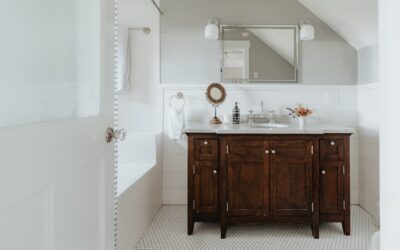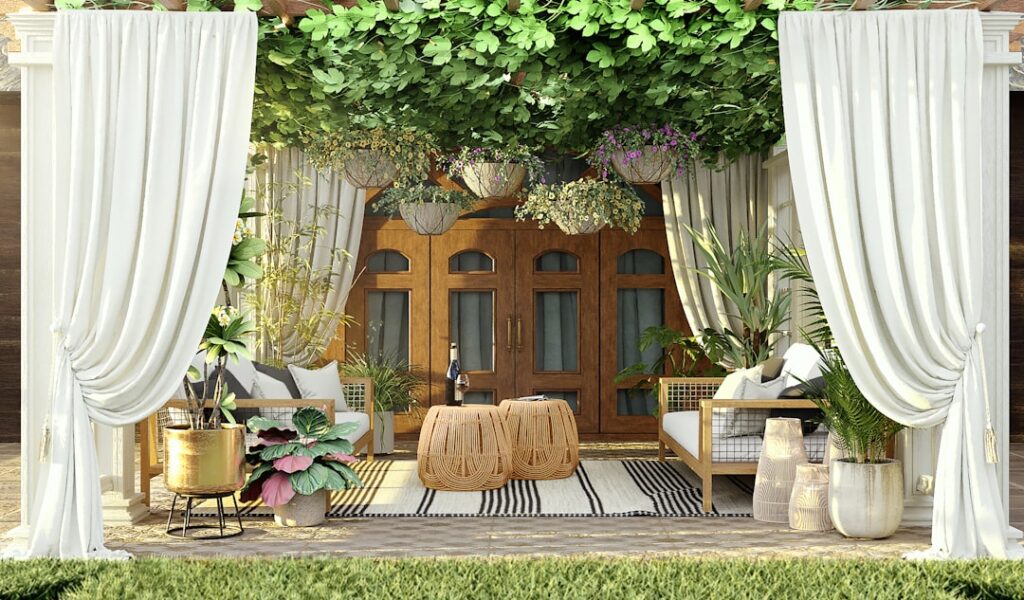
The farmhouse look everyone chases is not really about shiplap or barn doors; it lives in the paint. Farmhouse paint colors are built on warm, layered neutrals, soft sage greens, and muted heritage blues that feel lived-in and welcoming rather than stark or trendy. The magic comes from choosing warm-toned whites and earthy accents that play well together across an open floor plan. Get the temperature of your whites right, and everything else falls into place.
Part of our Paint & Walls guide — explore the full guide →
- What Defines a Farmhouse Palette
- The Foundation: Warm Whites and Creams
- Greige and Warm Neutrals
- Soft Greens for Farmhouse Character
- Muted Blues for Depth
- Warm Beiges and Tan Accents
- Colors for Cabinets and Islands
- Exterior Farmhouse Colors
- Building a Whole-Home Palette
- Common Farmhouse Color Mistakes
- Finishes and Testing
- Sherwin Williams Farmhouse Colors and Benjamin Moore Farmhouse Colors by Room
What Defines a Farmhouse Palette
Farmhouse color is fundamentally warm and grounded. It draws from nature and old rural homes, favoring creamy whites, greige neutrals, muted greens pulled from foliage, and dusty blues reminiscent of worn denim and weathered shutters. Nothing is loud or saturated.
The unifying thread is warmth. Where modern minimalism leans on cool grays and bright whites, farmhouse leans warm to feel cozy and timeless. That warmth is why these farmhouse paint colors photograph so beautifully in soft natural light and never feel cold underfoot, even in a big open kitchen.
The Foundation: Warm Whites and Creams
White is the backbone of any farmhouse palette, but not the crisp blue-white of a modern loft. You want whites with warm undertones that read soft and buttery. These are the most reliable foundation whites:
- Alabaster (SW 7008): Sherwin-Williams’ beloved soft warm white, a farmhouse staple for walls and trim
- White Dove (OC-17): Benjamin Moore’s gentle creamy white, forgiving and universally flattering
- Swiss Coffee (OC-45): a warmer, slightly creamier option for a cozier feel
- Cloud White (OC-130): a clean warm white that brightens without going stark
Alabaster and White Dove are the two most versatile picks. Both wrap a room in soft light and work equally well on walls, trim, and cabinetry for that cohesive farmhouse envelope.
Greige and Warm Neutrals
Between white and true color sits greige, the warm gray-beige blend that anchors farmhouse rooms without demanding attention. These tones make excellent whole-home wall colors that flow from room to room.
- Accessible Beige (SW 7036): a warm, slightly earthy greige that reads as a soft neutral backdrop
- Agreeable Gray (SW 7029): the internet’s favorite greige, balanced and endlessly adaptable
- Edgecomb Gray (HC-173): Benjamin Moore’s warm gray-beige with a gentle, restful quality
- Balboa Mist (OC-27): a light warm griege that adds subtle depth
Use these on main living-space walls to give your warm whites something to layer against. The contrast is quiet but keeps a home from feeling flat.
Soft Greens for Farmhouse Character
Muted green is the color that says farmhouse louder than any other, evoking gardens, sage, and old painted cupboards. These earthy greens shine on islands, lower cabinets, mudroom built-ins, and accent walls.
- Sage Green (Behr, various): the quintessential soft farmhouse green
- Evergreen Fog (SW 9130): a gray-green that was named a color of the year and looks stunning on cabinets
- Saybrook Sage (HC-114): a slightly deeper heritage green with warmth
- October Mist (1495): a soft silvery sage that reads almost neutral
Evergreen Fog on a kitchen island paired with Alabaster walls is a popular combination, and it never looks dated.
Muted Blues for Depth
Dusty, grayed blues bring a cool counterpoint to all that warmth, echoing old barn doors and worn work shirts. Reserve them for accent moments rather than covering every wall.
- Sea Salt (SW 6204): a soft blue-green that behaves like a serene neutral
- Van Deusen Blue (HC-156): a deeper heritage blue for a bold island or exterior door
- Smoke (2122-40): a gentle grayed blue that feels calm and vintage
A muted blue front door or a powder-room accent adds character without pulling the palette away from its warm foundation.
Warm Beiges and Tan Accents
Beyond greige, deeper warm tans and clay tones add richness to farmhouse spaces, especially in dining rooms, studies, and cozy dens where you want a little more envelopment. These colors echo aged plaster, natural burlap, and weathered barn wood, grounding a room without going dark.
Colors like Benjamin Moore Shaker Beige (HC-45) and Sherwin-Williams Kilim Beige (SW 6106) bring a soft golden warmth that feels timeless. They pair beautifully with cream trim and natural wood floors, and they hide scuffs better than pale whites in high-traffic areas like hallways and mudrooms. If your home leans traditional farmhouse rather than modern, these warmer tans read more authentic than cooler greiges.
Colors for Cabinets and Islands
Farmhouse kitchens are where color earns its keep, and painting cabinetry is one of the highest-impact moves you can make. The classic approach is warm white uppers paired with a colored island or lower cabinets, which adds depth without overwhelming the room.
- Evergreen Fog (SW 9130): the go-to sage green for islands, endlessly flattering with brass hardware
- Hale Navy (HC-154): a deep muted navy for a bolder island that still reads classic
- Cyberspace (SW 7076): a soft charcoal blue-gray for a moody, sophisticated lower run
- Alabaster (SW 7008): the safe warm white for upper cabinets that keeps everything bright
Use a durable cabinet-grade enamel like Sherwin-Williams Emerald Urethane Trim Enamel or Benjamin Moore Advance for a hard, furniture-smooth finish that stands up to daily wear. Skipping a proper cabinet paint in favor of ordinary wall paint is the most common mistake, and it leads to chips and fingerprints within months.
Exterior Farmhouse Colors
The palette extends outside too, where farmhouse style favors crisp white or soft greige siding with black trim and window sashes. That high-contrast white-and-black combination is the signature of the modern farmhouse exterior, seen on board-and-batten siding across the country.
For siding, Sherwin-Williams Pure White (SW 7005) and Alabaster remain the top choices, while Tricorn Black (SW 6258) or Iron Ore (SW 7069) handle the trim, shutters, and front door. A natural cedar or stained wood garage door or porch post adds warmth that keeps the black-and-white scheme from feeling cold. If white feels too stark for your setting, a warm greige like Accessible Beige makes a softer but equally classic farmhouse exterior.
Building a Whole-Home Palette
The secret to a cohesive farmhouse home is limiting yourself and repeating colors. Pick one warm white, one greige, and one or two accent tones, then use them throughout so the eye flows smoothly from space to space.
- Choose a warm white like Alabaster for trim, doors, and ceilings throughout the house
- Select a greige such as Agreeable Gray for the main living-area walls
- Add a soft green like Evergreen Fog for the kitchen island or built-ins as a signature accent
- Reserve a muted blue for one bold moment, like the front door or a bathroom vanity
Repetition is what makes an open floor plan feel intentional. When the same trim white and wall neutral carry across rooms, the home reads as one calm, considered space.
Common Farmhouse Color Mistakes
The style is forgiving, but a few missteps can pull a room out of the farmhouse feeling entirely. The most common is reaching for a cool, blue-based white in an effort to look clean and modern, which reads sterile and clashes with the warm woods and natural textures the style depends on. Always choose a warm-toned white.
Another frequent error is using too many colors. Farmhouse interiors feel calm precisely because they limit the palette, so resist the urge to introduce a different accent in every room. Pick one green or one blue and repeat it. Finally, watch your undertones against your existing flooring; a greige with a purple undertone can turn muddy over warm oak floors, so test the actual color in the actual room before committing to gallons.
Finishes and Testing
Finish choice matters as much as color in a farmhouse home. Use a flat or matte finish on ceilings, eggshell or satin on walls for a soft, chalky look, and satin or semi-gloss on trim and cabinets where durability counts. That low-sheen quality is central to the farmhouse aesthetic.
Always test before committing. Paint two coats on a poster board and move it around the room across the day, because warm whites in particular shift dramatically between morning and evening light. Take that care up front, and your farmhouse paint colors will deliver the cozy, timeless warmth the style is famous for.
Sherwin Williams Farmhouse Colors and Benjamin Moore Farmhouse Colors by Room
Most farmhouse palettes can be built entirely from one brand, and both Sherwin-Williams and Benjamin Moore have proven farmhouse colors for every room. Choose the brand your painter or local store carries, then pick one warm white, one wall neutral and one accent from that brand so the undertones stay consistent. The table gives a starting set for each room type.
| Room or surface | Sherwin-Williams | Benjamin Moore |
|---|---|---|
| Trim, doors and ceilings | Alabaster SW 7008, Pure White SW 7005 | White Dove OC-17, Cloud White OC-130 |
| Living room and halls | Agreeable Gray SW 7029, Accessible Beige SW 7036 | Edgecomb Gray HC-173, Revere Pewter HC-172 |
| Kitchen island or lower cabinets | Evergreen Fog SW 9130, Clary Sage SW 6178 | Saybrook Sage HC-114, Hale Navy HC-154 |
| Bedrooms | Sea Salt SW 6204, Shoji White SW 7042 | October Mist 1495, Balboa Mist OC-27 |
| Dining room or den | Kilim Beige SW 6106, Urbane Bronze SW 7048 | Shaker Beige HC-45, Manchester Tan HC-81 |
| Front door and exterior trim | Tricorn Black SW 6258, Iron Ore SW 7069 | Van Deusen Blue HC-156, Hale Navy HC-154 |
How the Brand Palettes Differ
The Sherwin-Williams farmhouse colors that get the most use are muted and slightly gray, which suits modern farmhouse homes with black windows, white oak floors and matte black hardware. Benjamin Moore farmhouse colors include many shades from its Historical Colors collection, marked HC, which lean a little warmer and earthier and suit older homes, traditional farmhouses and painted wood paneling.
Building a One-Brand Farmhouse Scheme
- Modern farmhouse: Pure White or Alabaster trim, Agreeable Gray walls, Urbane Bronze or Iron Ore on an island, a mudroom bench or interior doors.
- Soft cottage farmhouse: White Dove trim, Edgecomb Gray walls, Saybrook Sage on lower cabinets.
- Traditional farmhouse: Cloud White trim, Manchester Tan or Revere Pewter walls, Van Deusen Blue on the front door.
Color codes change over time and stores can mix the same name in different bases, so order by the full name and number, and check each maker’s current color page for light reflectance before comparing shades across brands. Sample every finalist on two walls of the actual room, because the warm whites and sages in farmhouse palettes shift noticeably between morning and evening light.