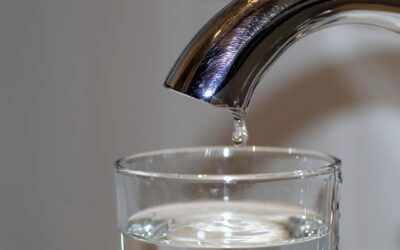
The small second tap beside a kitchen sink’s main faucet is one of the quiet upgrades that changes daily habits: fill a glass, a kettle, or a pot with filtered water instantly, while the dishwater keeps running from the main spout. A filtered water faucet — the dedicated drinking tap fed by an under-sink filtration or reverse osmosis system — costs $30 to $250 on its own and turns a hidden filter into something you actually use twenty times a day. This guide covers how the third-tap setup works, the critical air gap vs non-air gap distinction, styles and finishes, installation basics, and how the arrangement compares to pitchers, fridge dispensers, and filtering main faucets.
How the Dedicated-Tap Setup Works
The architecture is simple: a tee on the cold supply line under the sink feeds a filter system (carbon block cartridges, a multi-stage unit, or a reverse osmosis membrane with storage tank), and the filtered output rises through 1/4- or 3/8-inch tubing to a small faucet mounted through its own hole in the sink deck or countertop. Only drinking and cooking water passes through the filter, which is the whole economic point — your filters aren’t wasting capacity on dishwashing and handwashing, so a $60 carbon cartridge rated at 600-1,500 gallons lasts 6-12 months instead of weeks. The main faucet stays untouched at full flow, and the filtered tap delivers a steady 0.5-0.9 GPM, plenty for glasses and pots.
Air Gap vs. Non-Air Gap: The Detail That Trips Everyone
If you’re pairing the faucet with a reverse osmosis system, you’ll face this choice immediately. RO systems produce waste water that drains to the sink’s drain line, and plumbing codes require backflow protection so a clogged drain can never siphon back into the membrane.
- Air gap faucets route the RO drain water up through the faucet body, across a physical air break inside the base, and back down to the drain. Code-compliant everywhere, no check valves to fail. The costs: a wider base with three tubes, occasional gurgling sounds, and a small vent hole that can drip on the deck if the drain line clogs (which is the feature working as designed — it’s telling you to clear the drain).
- Non-air gap faucets pass only the filtered water; the RO drain connects through a check valve directly to the drain saddle. Quieter, cleaner-looking, simpler to plumb — and accepted in many but not all jurisdictions. Most homeowners choose this and most RO kits ship this way; check local code if an inspection is in play.
Simple carbon systems without a drain line skip this question entirely — any standard filtered water faucet works.
Styles, Finishes, and Sizing
The category has grown up from the chrome goose-neck utility tap. Current options span contemporary squared spouts, traditional teapot profiles, and beverage-faucet designs that echo pro bar taps, in chrome, brushed nickel, matte black, bronze, and brushed brass or gold to match the main fixture — matching warm finishes is easy now, and our brass faucet and gold faucet guides help pin the tone. Practical specs to check:
- Hole size: standard drinking taps mount in a 7/16- to 5/8-inch hole; most sink decks’ spare sprayer/soap holes (1-1/4 inch) need only the included wider base plate. Air gap models want the full 1-1/4-inch hole.
- Spout height and reach: 6-10 inches tall with 4-6 inches of reach is typical; make sure a tall glass or kettle fits under it and the swing doesn’t clash with the main faucet.
- Handle action: quarter-turn ceramic valves dominate; lever styles that stay open hands-free beat spring-loaded self-closing handles for filling stockpots.
- Lead-free certification: look for NSF/ANSI 61 and 372 compliance — pointless to filter water and then run it through questionable brass.
Brand-wise: the faucets bundled with iSpring, APEC, and Waterdrop RO systems are serviceable; upgrades from Kraus (Purita line), Moen, Delta, and specialty makers like Tomlinson run $80-$250 and noticeably outclass bundled taps in valve feel and finish durability.
Installation Basics
A confident DIYer installs the whole faucet-plus-filter package in two to three hours:
- 1. The hole. Use an existing spare deck hole if you have one. Drilling stainless takes a step bit and patience; granite, quartz, and porcelain want a diamond hole saw kept wet — or $100-$200 to have a pro drill it. This is the only intimidating step.
- 2. Mount the faucet. Drop the shank through with its trim ring and gasket, snug the nut from below (basin wrench helps in tight quarters).
- 3. Tee the cold line. Shut the cold angle stop, add the included feed adapter or a 3/8-inch tee, and run tubing to the filter head.
- 4. Connect and flush. Push-fit connections dominate modern kits — seat tubes fully, use the locking clips. Flush the first tank or 5-10 minutes of flow per the cartridge instructions to clear carbon fines.
Total system cost: $60-$150 for a good two-stage carbon setup, $180-$400 for RO with tank and faucet, plus $50-$150 yearly in cartridges. Professional install adds $150-$350.
Dedicated Tap vs. the Alternatives
| Option | Upfront | Yearly filters | Strengths | Weaknesses |
|---|---|---|---|---|
| Dedicated tap + under-sink filter | $100-$400 | $50-$150 | Instant, high capacity, best taste (RO) | Install effort, deck hole |
| Filtering pitcher | $25-$100 | $60-$120 | Zero install | Slow, small, fridge space, weakest filtration |
| Fridge dispenser | Built in | $100-$200 | Convenient, cold | Pricey filters, slow fill, basic carbon only |
| Faucet-mount filter | $20-$50 | $50-$100 | Cheap, renter-friendly | Bulky, slows main faucet, frequent changes |
The dedicated tap wins on cost per gallon and filtration quality — it’s the only option that pairs naturally with reverse osmosis, which is what actually removes dissolved solids, lead, PFAS (with appropriate membranes/cartridges), and the mineral taste pitchers leave behind. The pitcher’s only real advantage is portability between homes.
Maintenance and Troubleshooting
Change cartridges on schedule — taste drift is gradual and you won’t notice the decline until fresh filters shock you. Slow flow from the tap usually means an exhausted RO membrane, a depressurized storage tank (check the tank’s air charge: 7-8 psi empty), or a kinked tube. Drips from the spout point to the faucet’s seat washer or ceramic cartridge; drips from an air gap’s vent hole mean the drain line is clogging — clear the drain saddle, don’t tape the hole. Every few years, sanitize the system with the manufacturer’s procedure when changing filters. And if the sink area develops mystery moisture, check the tubing push-fits first; they release with a collet press and reseat in seconds.
Matching the Filter to Your Water
The faucet is the visible half; make sure the filter behind it targets your actual water. Municipal water on chlorine: a carbon block handles taste and odor for $60-$150. Chloramine systems (common in large cities) want catalytic carbon specifically. Well water or known lead/PFAS concerns: reverse osmosis or certified specialty cartridges — check for NSF/ANSI 53 (health contaminants) and 58 (RO) certifications on the datasheet, not just marketing claims. Your utility’s annual Consumer Confidence Report, or a $30-$150 mail-in test for wells, tells you what you’re treating in ten minutes of reading and saves you from paying RO prices to fix a chlorine-taste problem carbon solves alone.
FAQ
Do I need a separate faucet for filtered water?
For under-sink carbon systems, no — inline versions can feed the cold side of the main faucet. For RO you effectively do, both for code (drain handling) and because RO’s slower delivery suits a dedicated tap. The separate tap also multiplies filter life by reserving it for drinking water.
Can I install a filtered water faucet without an extra hole?
Yes, if your sink has an unused sprayer or soap-dispenser knockout — the most common route. Otherwise drill the deck or countertop, or choose a filtering main-faucet product instead.
What does a filtered water faucet cost?
$30-$80 for bundled and basic taps, $80-$250 for premium finishes and valves, plus the filter system behind it. Budget $300-$500 all-in for a quality RO setup with a faucet you’ll enjoy touching for a decade.
For a fixture the size of a candlestick, the dedicated filtered tap punches absurdly above its weight: better water, cheaper per gallon than any pitcher, and one less plastic jug in the fridge.