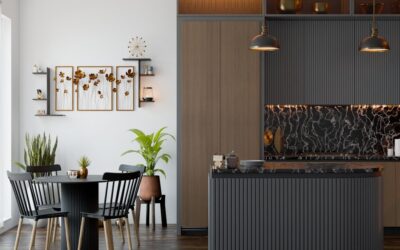
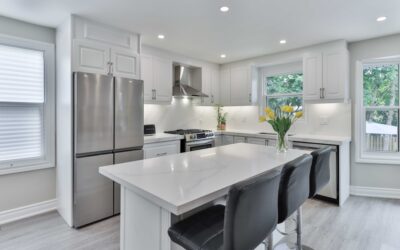
Not every kitchen has room or budget for a built-in island—and not everyone wants one bolted to the floor forever. A freestanding kitchen island gives you extra prep surface, storage, and seating that you can position where you want, move if needed, and take with you when you move out. Here’s how to pick one that truly fits your space and habits.
Part of our Kitchen Remodeling guide — explore the full guide →
- What Is a Freestanding Kitchen Island?
- Freestanding vs. Built-In Islands
- Standard Sizes and Clearances
- Types of Freestanding Islands
- Countertop Material Options
- Storage and Feature Options
- Mobility: Casters vs. Fixed Legs
- What a Freestanding Island Costs
- Choosing the Right Island for Your Kitchen
- Styling Ideas
- Assembly and Setup
- Care and Maintenance
- Common Mistakes to Avoid
- Freestanding Islands in Small Kitchens
- Adding Power and Function
- Seating Configurations
- Where to Buy and What to Compare
- The Bottom Line
What Is a Freestanding Kitchen Island?
A freestanding island is a standalone piece of furniture-grade cabinetry or a cart that sits in the open floor area of a kitchen. Unlike a built-in island, it isn’t permanently attached to the floor and usually has no plumbing or hardwired electrical connections. That independence is its greatest strength: it’s cheaper, faster to add, and endlessly rearrangeable.
Freestanding vs. Built-In Islands
Built-in islands are anchored, often carry a sink or cooktop, and blend seamlessly with surrounding cabinets—but they cost thousands and require plumbing or electrical work. Freestanding islands trade that permanence for flexibility and value. Expect to pay $150 to $1,500 for a freestanding unit versus $3,000 to $10,000-plus for a custom built-in. If you rent, plan to rearrange, or simply want to test whether an island improves your workflow, freestanding is the smart first step.
Standard Sizes and Clearances
Fit is everything. The single most common mistake is buying an island that crowds the room. Follow these guidelines:
- Maintain at least 36 inches of clearance on all walkable sides; 42 to 48 inches is more comfortable and lets two people pass or an appliance door swing open.
- Standard island height is 36 inches to match counters; bar-height tops run 42 inches.
- Common footprints range from a compact 24 by 36 inches up to 40 by 72 inches.
Before buying, tape the island’s footprint on your floor and live with it for a day to confirm the clearances feel right.
Types of Freestanding Islands
- Kitchen carts: compact, often on locking casters, with a shelf or two—ideal for small kitchens and around $100 to $400.
- Cabinet-style islands: heavier furniture pieces with drawers, doors, and a solid top for serious storage.
- Butcher-block islands: feature a thick maple work surface you can chop on directly.
- Island tables: a hybrid that doubles as casual dining with open leg room.
Countertop Material Options
The top defines both looks and function. Butcher block (usually maple) is warm and knife-friendly but needs periodic oiling. Granite and quartz add durability and a premium feel at higher cost and weight. Stainless steel suits a pro-kitchen aesthetic and is hygienic. Laminate keeps things affordable. For a work-focused island, a 1.5-inch butcher block or a quartz top resists daily abuse best.
Storage and Feature Options
Match features to how you cook. Useful add-ons include:
- Drawers for utensils and open shelves for cookbooks or baskets.
- A built-in towel bar and spice rack.
- A wine rack or stemware holder.
- A drop-leaf extension that folds down to save space.
- An overhang of 10 to 12 inches on one side to tuck stools for seating.
Mobility: Casters vs. Fixed Legs
Carts on wheels bring flexibility—roll the island to the sink to fill a pot or push it aside for entertaining. Choose locking casters so the unit stays put during vigorous chopping. Fixed-leg islands feel more substantial and stable, better suited to heavier stone tops. If you want the best of both, some models offer two locking and two swivel casters.
What a Freestanding Island Costs
Prices span a broad range:
- Basic rolling carts: $100 to $400.
- Mid-range cabinet islands with butcher block: $400 to $900.
- Large furniture-grade islands with stone tops and seating: $900 to $2,000.
Because there’s no installation, plumbing, or electrical labor, the sticker price is essentially your total cost.
Choosing the Right Island for Your Kitchen
- Measure your open floor space and confirm you can keep 36-plus inches of clearance around the island.
- Decide your primary use: prep, storage, seating, or a mix.
- Pick a top material suited to that use.
- Choose mobility—casters for flexibility, legs for stability.
- Match the finish and style to your existing cabinets, or choose a contrasting color as a deliberate accent.
Styling Ideas
A freestanding island is a chance to add personality. Painting it a bold color—navy, sage, or black—against neutral cabinets creates a designer focal point. Adding pendant lights above (even plug-in ones on a nearby outlet) elevates the look. Open lower shelves styled with baskets and a bowl of fruit make a compact kitchen feel intentional rather than cramped.
Assembly and Setup
Most freestanding islands ship flat-packed and assemble in one to two hours with basic tools. Butcher-block tops usually need an initial coat of food-safe mineral oil before use. If your unit has casters, verify all locks engage firmly on your floor type—soft locks on hard tile can let the island creep during heavy chopping.
Care and Maintenance
Butcher block needs mineral oil every three to four weeks at first, then monthly, to prevent cracking and staining. Wipe stone and laminate with mild soap and water. Retighten leg and caster bolts every few months, since movement and use loosen fasteners over time. Avoid setting hot pans directly on wood or laminate.
Common Mistakes to Avoid
- Buying too large and choking off walkways.
- Skipping the locking casters and fighting a wandering island.
- Neglecting to oil a butcher-block top until it cracks.
- Ignoring the height mismatch with existing counters when planning prep flow.
Freestanding Islands in Small Kitchens
Compact kitchens benefit enormously from a right-sized freestanding island, but the margin for error is small. In a galley or small L-shaped kitchen, a narrow island—24 inches deep or less—may be all that fits while preserving walkways. Consider a drop-leaf model that expands only when you need prep space and folds flat against a wall the rest of the time. A bar-height slim island can also serve as the only dining surface in an apartment, doubling its usefulness. The key is honest measuring: if you can’t keep at least 36 inches of clearance on the sides you walk, the island will frustrate you daily no matter how attractive it is.
Adding Power and Function
Because a freestanding island isn’t hardwired, adding electricity means either running a floor outlet during a remodel or using a nearby wall outlet with a cord routed safely. For occasional use, a portable island can host a coffee maker, toaster, or slow cooker plugged into a wall receptacle. If you want permanent power in the island, an electrician can install a floor box with an outlet beneath it—useful for charging devices or running small appliances—but that turns a movable piece into a semi-fixed one, so weigh whether flexibility or convenience matters more.
Seating Configurations
To seat people at a freestanding island, plan a countertop overhang of 10 to 12 inches on the seating side and allow about 24 inches of width per stool. A 48-inch-long island comfortably seats two; a 60-inch island can seat three. Choose stool height to match the island: counter-height stools (24 to 26 inches) for a 36-inch top, and bar stools (28 to 30 inches) for a raised 42-inch bar. Backless stools tuck fully underneath to save space when not in use, keeping walkways clear.
Where to Buy and What to Compare
Freestanding islands are sold at furniture stores, home-improvement retailers, and online marketplaces, ranging from flat-pack budget models to solid-wood furniture pieces. When comparing options, weigh the top thickness and material, the drawer glide quality (metal ball-bearing slides last far longer than plastic), the caster or leg construction, and the overall weight—heavier usually means more solid. Read the assembled dimensions carefully, since online photos can make a small cart look larger than it is. A slightly higher upfront cost for solid construction pays off in years of stable, rattle-free use.
The Bottom Line
A freestanding kitchen island is the fastest, most affordable way to gain prep space, storage, and casual seating without a renovation. Nail the clearances, choose a top that matches how you cook, and pick the right mobility, and you’ll add real function and style to your kitchen—with the freedom to rearrange or relocate it whenever your needs change.