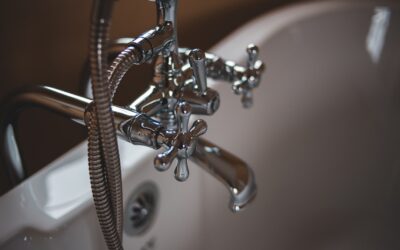
Try filling a stockpot under a short, squat spout and you understand the problem in about three seconds. A gooseneck kitchen faucet solves it with a tall, arching neck that lifts the spout high above the sink, giving you room to slide a roasting pan underneath or scrub a cookie sheet without banging the rim. That graceful curve is not just for looks. It buys real working clearance, and once you cook with one you rarely go back. Here is what separates a great gooseneck faucet from a frustrating one.
Part of our Kitchen Remodeling guide — explore the full guide →
What Makes a Faucet a Gooseneck
The name describes the shape: a spout that rises straight up, then curves over in a smooth arc resembling a goose’s neck. Most gooseneck spouts reach 8 to 10 inches of clearance from the sink deck to the underside of the spout, though some high-arc models push past 12 inches. That tall opening is the whole point, giving you the vertical room a low spout simply cannot.
Do not confuse height with reach. A tall faucet still needs the spout tip to land near the center of the basin, or water splashes off the back wall of the sink. Check the reach spec, usually 8 to 9 inches, alongside the height before you commit.
Gooseneck vs. Standard Spout
Both deliver water, but the experience differs sharply once you start using large cookware.
- Clearance: gooseneck gives 8–12 inches; a standard spout often offers only 4–6
- Big-item washing: pots, pans, and vases fit easily under a gooseneck
- Splash risk: taller faucets can splash more in a shallow sink
- Style: the arch reads as a design centerpiece, not just a utility
If you have a deep basin, at least 8 inches, a gooseneck shines. Pair one with a very shallow bar sink and you may fight splashing every time you run the water.
Pull-Down, Pull-Out, or Fixed
Many gooseneck faucets add a spray head, and the style you pick changes daily convenience.
- Pull-down: the spray head pulls straight down into the sink, the most popular pairing with a tall arc
- Pull-out: the head pulls toward you on a hose, handy for filling pots on the counter
- Fixed spout with side sprayer: a separate sprayer keeps the arch clean and simple
For most kitchens a pull-down gooseneck is the sweet spot. The high arc plus a docking spray head covers pot filling, rinsing, and cleaning the basin without a separate sprayer cluttering the deck.
Choosing a Finish
Finish affects both looks and upkeep. Spot-resistant coatings have improved enough that fingerprints are far less of a chore than they once were.
- Spot-resist stainless or brushed nickel: hides water spots and prints, the low-maintenance favorite
- Chrome: bright, easy to clean, but shows spots quickly
- Matte black: bold and modern, though it can reveal hard-water film
- Bronze or brass: warm and traditional, pairs well with farmhouse sinks
Match the faucet to your cabinet hardware and appliances rather than chasing a trend. A finish that coordinates with what is already in the room ages better than one that fights it.
Checking Fit Before You Buy
A tall faucet needs headroom you might not think about. Measure from the sink deck to the bottom of any upper cabinet or window sill above the sink. If the faucet stands 16 inches tall and the handle swings up to turn on, make sure the handle clears a low window that opens inward.
Also confirm your sink’s hole configuration. Most single-handle goosenecks need one hole, but many include an optional deck plate to cover the extra holes of a three-hole sink. Count your holes, usually one to four, before ordering.
Installing a Gooseneck Faucet
Swapping a faucet is a manageable weekend job for most homeowners with basic tools. Budget an hour or two, more if the old shutoffs are corroded.
- Shut off the hot and cold supply valves under the sink and open the faucet to relieve pressure
- Disconnect the supply lines and remove the old faucet’s mounting nuts
- Clean the deck, then drop the new faucet through the mounting hole with its gasket or deck plate
- Tighten the mounting hardware from below, keeping the spout aligned front to back
- Connect the supply lines, attach the spray hose and counterweight if included, and turn the water back on
- Run both temperatures and check every joint for drips before you call it done
Keep a small bucket and towel under the connections while you test. A quarter turn on a slightly loose fitting stops most first-run weeps.
Care and Common Fixes
A gooseneck faucet asks little beyond a wipe-down. Hard water is the main enemy, leaving mineral scale on the aerator and spray head that weakens flow over time. Unscrew the aerator every few months and soak it in white vinegar to dissolve buildup. If a pull-down head starts sticking in its dock, the magnet or hose weight has usually slipped; re-seat the counterweight on the hose and the head snaps home again.
Single vs. Dual Handle
Goosenecks come in both single-handle and two-handle configurations, and the choice affects both looks and daily use. A single lever controls temperature and flow with one hand, which is why it dominates modern kitchens; it is quicker when your other hand is full of dishes. A bridge or two-handle gooseneck, with separate hot and cold controls flanking the spout, brings a traditional, farmhouse-style presence that suits classic kitchens.
Consider your sink deck too. A single-handle model usually needs just one or two holes, while a widespread two-handle design needs three. If you love the vintage look, budget for the extra holes and the slightly slower two-hand operation that comes with it.
Is a Gooseneck Right for Your Kitchen
A gooseneck kitchen faucet earns its keep the first time you fill a tall pot without tipping it sideways under a low spout. Choose one with enough reach to hit your basin center, a spray style that fits how you cook, and a finish that plays well with the rest of the room. Measure your clearance, count your sink holes, and the install is a straightforward afternoon. Get those details right and you gain a faucet that looks like a centerpiece and works like a tool built for real cooking.