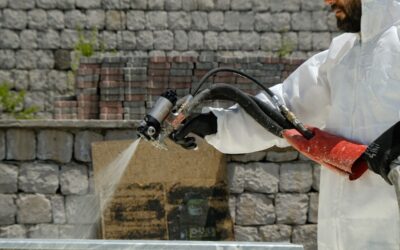
A paint sprayer can turn a multi-day painting marathon into an afternoon, and Graco is one of the most established names in the category, well known among both pros and serious DIYers. But searching Graco paint sprayer reviews can be overwhelming, with dozens of models spanning small handheld units to high-output rigs. Rather than repeat marketing claims or invent test results, this guide explains how Graco’s airless sprayers work, the features that actually matter, and how to evaluate which model fits your projects, so you can read any review critically and choose wisely.
Part of our Paint & Walls guide — explore the full guide →
How Airless Sprayers Work
Most of Graco’s popular sprayers are airless, meaning they use a pump to force paint at high pressure through a small tip, which atomizes the paint into a fine spray without compressed air. The advantages over a brush and roller are speed, a smooth even finish, and the ability to coat irregular surfaces like trim, railings, fences, and textured walls quickly. Airless sprayers can handle thicker coatings like latex without heavy thinning, which is why they are the workhorse choice for whole-room and exterior jobs.
Graco Sprayer Categories
Graco’s lineup generally breaks into a few tiers, and understanding them helps you read reviews in context:
- Handheld and cordless sprayers: Compact units for small projects, furniture, cabinets, and touch-ups. Easy to maneuver but with smaller capacity.
- Stand or cart airless sprayers for DIY and prosumers: The popular mid-range that draws paint directly from the can or a hopper. Suited to whole rooms, fences, and exteriors.
- Professional contractor-grade rigs: Higher output, greater durability, and larger tip capacity for daily commercial use.
The right tier depends on how much you paint. A homeowner doing occasional projects has very different needs from a contractor running a sprayer every day, so judge any review by whether the reviewer’s use matches yours.
Features That Actually Matter
When you read or compare reviews, focus on these specs rather than star ratings alone:
- Maximum tip size and gallons-per-minute (GPM): These determine how thick a coating and how large a project the unit can handle. Bigger jobs need higher flow.
- Pressure control: Adjustable pressure lets you dial in the right atomization for different paints and reduce overspray.
- Suction-tube vs. hopper feed: Drawing straight from the paint bucket suits big jobs; a hopper suits smaller, mobile work.
- Hose length: Longer hoses let you reach high or far without moving the unit constantly.
- Ease of cleaning: Cleanup is the most-complained-about part of any sprayer. Features that simplify flushing the pump matter enormously for real-world satisfaction.
- Durability of the pump: The pump is the heart of the machine; prosumer and pro models use more robust pumps rated for more gallons over their life.
How to Read Reviews Critically
Reviews are most useful when you account for who wrote them and what they painted. A glowing review from someone spraying a single fence tells you little about whole-house durability, and a frustrated one-star review is often about clogging from skipped straining or inadequate cleanup rather than the machine itself. Look for patterns across many reviews, repeated mentions of clogging, pump failure, or difficult cleanup, rather than any single opinion. Be skeptical of reviews quoting exact prices, since pricing changes constantly; verify current pricing directly from retailers.
Match the Sprayer to Your Projects
The single best way to choose is to define your work first:
- Furniture, cabinets, small touch-ups: A handheld or cordless model gives portability and quick setup.
- Whole interior rooms and ceilings: A mid-range stand airless with adjustable pressure and a suction tube handles the volume and finish.
- Full exteriors, fences, decks: Step up to a higher-flow model that supports larger tips and long hose runs.
- Daily professional use: A contractor-grade rig built for high gallon throughput and longevity.
Buying more sprayer than you need wastes money and adds cleanup hassle; buying too little leads to slow, frustrating jobs and a strained pump.
Realities of Using a Sprayer
Reviews sometimes gloss over the work involved. Spraying requires thorough masking and drop cloths because overspray drifts. Paint usually needs straining to prevent clogs. Cleanup, flushing the pump, hose, and tip until clear, takes time and is essential to protect the machine. There is also a learning curve to getting an even coat without runs; practice on cardboard first. None of this is a knock on Graco specifically, it is the nature of airless spraying, and accounting for it sets realistic expectations.
Maintenance for a Long-Lasting Sprayer
A sprayer that is cleaned and stored properly lasts for years. Flush it completely after every use, use the manufacturer’s recommended pump-protection fluid for storage, store it away from freezing temperatures, and replace worn tips since a worn tip ruins finish quality and increases overspray. Good maintenance is the difference between a sprayer that lasts a decade and one that fails in a season, a fact that shows up clearly in long-term reviews.
Sprayer vs. Brush and Roller
Reviews often debate whether a sprayer is worth it at all, so weigh it honestly against traditional methods. A sprayer wins big on speed for large areas, on coating intricate surfaces like railings, shutters, and textured walls, and on achieving a smooth, brush-mark-free finish on cabinets and trim. A brush and roller win on small jobs, on minimal prep and cleanup, and when you cannot tolerate any overspray, such as touching up one wall in an occupied room. For a whole-house exterior or a full cabinet refinish, a sprayer pays for itself in time saved. For a single accent wall, the roller is faster overall once you factor in masking and cleanup. The right tool depends on the scale of the job.
Questions to Ask Before Buying
Boil your decision down to a few honest questions. How often will you really use it, occasionally or regularly? What is the largest project you expect to tackle? Are you spraying thin finishes like stain or thick latex paint? Do you have space to set up, mask, and clean a sprayer? Is the noise and overspray acceptable in your situation? Answering these points you toward the right tier, handheld for small occasional work, mid-range airless for whole rooms and exteriors, contractor-grade for heavy use, and keeps you from overspending or under-buying. Let your actual projects, not a flashy review, make the call.
The Bottom Line
Reading Graco paint sprayer reviews productively means understanding airless technology, matching the model tier to your actual projects, and weighing the features that drive real-world performance, tip size, flow rate, pressure control, and ease of cleaning. Read reviews for patterns rather than single opinions, verify current pricing yourself, and go in knowing that masking, straining, and cleanup are part of the job. Choose the right size for your work and maintain it well, and a quality sprayer pays for itself in time saved on every project.