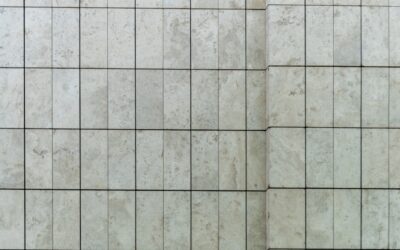
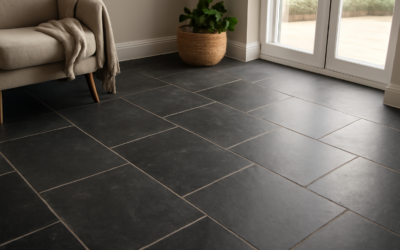
If you love the quiet elegance of natural stone but find marble too busy and slate too dark, gray limestone tile may be the material you have been looking for. Formed from compacted marine sediment over millions of years, limestone offers a soft, matte surface with gentle veining and subtle fossil detail. Its gray tones range from pale dove to deep charcoal, making it one of the most versatile neutral flooring and wall materials available. This guide covers finishes, durability, sealing, real-world costs, and the rooms where gray limestone performs best.
Part of our Tile & Grout guide — explore the full guide →
- What Makes Limestone Different From Other Stone
- Popular Finishes and Their Best Uses
- Where Gray Limestone Tile Works Best
- What Gray Limestone Tile Costs
- Sealing and Maintenance: The Non-Negotiable Step
- Gray Limestone Versus Look-Alike Materials
- Installation Tips for a Lasting Stone Floor
- Pros and Cons at a Glance
- Making the Right Choice for Your Home
What Makes Limestone Different From Other Stone
Limestone is a sedimentary rock made mostly of calcium carbonate, the same mineral found in seashells and coral. That composition gives it a warm, organic character but also makes it softer than granite or porcelain. On the Mohs hardness scale, limestone rates around 3 to 4, compared with granite at 6 to 7. In practical terms, it scratches and etches more easily, which shapes where and how you should use it.
The upside of that softness is workability and a naturally muted look. Gray limestone does not shout for attention the way high-contrast marble can. It sits in the background, letting cabinetry, rugs, and furniture take center stage. For homeowners chasing a calm, European farmhouse or minimalist aesthetic, that restraint is exactly the point.
Popular Finishes and Their Best Uses
Finish changes both the look and the performance of the stone dramatically. The same slab can feel rustic or refined depending on how the surface is treated.
- Honed: a smooth matte surface, the most common choice for floors. Hides etching better than a polish.
- Tumbled: softened, rounded edges with a weathered look, ideal for old-world backsplashes and patios.
- Brushed or antiqued: a lightly textured finish that adds grip, good for bathroom floors.
- Polished: a reflective sheen that deepens the gray but shows wear quickly and is best reserved for low-traffic walls.
For most homes, honed or tumbled gray limestone tile hits the sweet spot between beauty and practicality. Save the polished finish for a fireplace surround or accent wall where foot traffic will not dull it.
Where Gray Limestone Tile Works Best
Because limestone is porous and softer than porcelain, placement matters. It shines in spaces where its natural texture is an asset and where you can control moisture and acids.
Floors
Honed gray limestone makes a stunning floor in entryways, living rooms, and hallways. Large 18×18 or 24×24 tiles create a seamless, expansive feel. Underfloor radiant heat pairs beautifully with stone, which retains warmth and feels comfortable underfoot.
Bathrooms and Showers
Limestone brings spa-like calm to a bathroom, but it demands diligent sealing because shampoos and cleaners are often acidic. A brushed finish adds slip resistance on wet floors. Keep it out of steam showers unless you are committed to frequent maintenance.
Backsplashes and Fireplaces
On walls, limestone faces almost no abrasion, so even softer stone lasts for decades. Just keep it a few inches away from the cooktop, where tomato sauce and citrus can etch an unsealed surface.
What Gray Limestone Tile Costs
Limestone sits in the mid-range of natural stone pricing, below marble and travertine of premium grade but above basic ceramic. Expect the following for materials:
- Standard gray limestone tile: $4 to $8 per sq ft
- Premium or large-format slabs: $9 to $15 per sq ft
- Professional installation: $7 to $14 per sq ft
- Sealer and setting materials: $1 to $3 per sq ft
An installed limestone floor typically runs $12 to $25 per square foot all in. For a 200-square-foot room, plan on $2,400 to $5,000. Ordering 10 percent extra covers cuts and gives you replacement stock from the same block, which matters because natural stone color shifts between lots.
Sealing and Maintenance: The Non-Negotiable Step
Here is the single most important thing to understand about limestone: it must be sealed, and it must be resealed. Because the stone is porous and calcium-based, it stains from spills and etches from acids like wine, coffee, citrus, and many household cleaners. A penetrating impregnating sealer soaks into the pores and buys you time to wipe up spills before they set.
Apply sealer at installation, then test annually by dripping water on the surface. If the water beads, the seal is intact; if it darkens the stone within a few minutes, it is time to reseal. Clean only with pH-neutral stone cleaners, never vinegar, lemon, or generic bathroom sprays, which will dull and etch the surface. Sweep or dust-mop grit regularly, since abrasive particles act like sandpaper on the soft stone.
Gray Limestone Versus Look-Alike Materials
Before you commit to natural stone, it helps to know what else can deliver a similar gray, matte appearance. Each alternative trades away some authenticity for easier care or a lower price.
Porcelain That Mimics Limestone
Modern inkjet-printed porcelain reproduces the soft fossil texture of limestone convincingly, and it is nearly bulletproof. It does not stain, etch, or need sealing, and it runs $3 to $9 per square foot. The trade-off is that the surface is uniform and slightly less alive than real stone, and the pattern repeats every dozen tiles or so.
Travertine
Travertine is a close cousin, another calcium-based sedimentary stone, but it has a more pitted, holey texture and warmer tones. Gray travertine exists but is less common; if you want a cool, even gray, limestone is the truer choice.
Concrete Tile
Cement and terrazzo tiles offer an industrial gray with matte depth, but they too are porous and demand sealing, so you are not escaping maintenance by choosing them over limestone.
Installation Tips for a Lasting Stone Floor
Limestone is heavier and more fragile during handling than ceramic, so installation demands care. The subfloor must be rigid, since flex cracks stone and grout alike; over a wood subfloor, a cement backer board or an uncoupling membrane is essential. Use a white polymer-modified thinset rather than gray, because gray mortar can bleed through pale stone and cloud its color.
Dry-lay a full room of tile before setting anything so you can blend light and dark pieces evenly and avoid a distracting cluster of dark tiles in one corner. Back-butter each tile to achieve full coverage and prevent hollow spots that crack under a heavy footstep. Finally, seal the stone before you grout. A pre-grout sealer keeps pigment from staining the porous surface, a mistake that is almost impossible to reverse once it happens.
Pros and Cons at a Glance
Every material involves trade-offs. Weigh these before you commit a room to natural stone.
- Pros: timeless natural beauty, warm neutral gray tones, comfortable underfoot with radiant heat, adds real estate value, no two tiles alike
- Cons: requires sealing and gentle cleaners, etches from acids, scratches more easily than porcelain, higher upfront cost than ceramic look-alikes
If low maintenance is your top priority, a porcelain tile that mimics limestone gives you the look with almost none of the upkeep. But if you want the genuine depth, coolness, and character that only real stone provides, few materials rival it.
Making the Right Choice for Your Home
Gray limestone tile rewards homeowners who value authenticity and are willing to trade a little maintenance for genuine natural beauty. Choose a honed or tumbled finish for durability, seal it properly from day one, and reserve polished surfaces for walls and low-traffic accents. Match the tile size to the room, order extra for repairs, and commit to pH-neutral cleaning. Do that, and gray limestone tile will deliver a soft, sophisticated surface that ages into something more beautiful, not less, over the decades you live with it.
Prefer to explore on your own?
See how new flooring looks in your actual room in seconds — free, no signup.
Try the free Floor Studio →