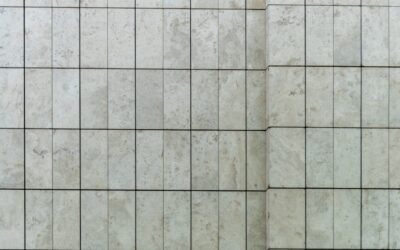
Nothing ages a tile floor faster than dingy, stained grout — and nothing revives it faster or cheaper than recoloring those lines. Grout refresh colors let you change grimy, mismatched, or simply dated grout into a crisp new shade without ripping out a single tile. For the price of a couple of bottles of colorant and an afternoon of work, you can make a fifteen-year-old bathroom look like it was retiled last week.
This guide covers which colors work best for which situations, the difference between grout colorant and grout paint, realistic costs, and a step-by-step process for doing it yourself.
Why Refresh Grout Color Instead of Replacing It
Grout is porous, and even sealed lines eventually absorb dirt, soap scum, mildew stains, and the general grime of daily life. Once grout discolors unevenly, no amount of scrubbing brings back a uniform look. Recoloring solves two problems at once: it restores a clean, consistent color across every line, and the colorant itself acts as a sealer that repels future staining. Full regrouting means grinding out the old grout — hours of dusty, tedious work. Refreshing the color skips all of that.
Beyond cleaning up, a color change is a genuine design tool. Swapping white grout for charcoal on a subway-tile backsplash, or matching your grout to your tile for a seamless large-format floor, dramatically alters the room’s character for a fraction of a remodel’s cost.
Choosing the Right Grout Refresh Color
The color you pick shapes both the look and the future maintenance of the tile. Think about the effect you want before you buy.
- Bright white: Clean and classic, but shows dirt fast — best for low-traffic backsplashes rather than floors.
- Light gray and greige: The practical favorite for floors; it hides everyday grime while still looking fresh and bright.
- Charcoal and black: Bold and modern, fantastic for defining white or patterned tile, and the most forgiving color for hiding stains.
- Tile-matched tones: Beige, tan, or stone colors chosen to blend with the tile, which minimizes grout lines and makes floors look continuous.
- Warm browns: A natural pairing for terracotta, travertine-look, and wood-look tile.
For a floor you actually want to stay looking clean, a medium gray is almost always the smart pick. It reads as intentional, coordinates with nearly any tile, and forgives the inevitable tracked-in dirt far better than white ever will.
Grout Colorant vs. Grout Paint
These terms get used interchangeably, but the products differ. True grout colorant, sometimes called grout stain, is an epoxy-based formula that penetrates and bonds with cementitious grout, sealing it in the process. It is durable, long-lasting, and rated for wet areas including shower floors. Grout paint or grout pens are cheaper surface coatings that sit on top of the grout; they work for quick touch-ups on a backsplash but wear off underfoot and are not ideal for floors or showers.
Important limitation: colorant only works on sanded and unsanded cement grout. It does not bond to existing epoxy grout, which is non-porous, so if your original grout is epoxy you will need to regrout to change the color.
What It Costs
Recoloring is one of the best-value upgrades in home improvement. Here is what to expect:
- Grout colorant: $20 to $35 per bottle, enough for roughly 200 to 250 linear feet of standard grout lines.
- Grout pens for small touch-ups: $8 to $15.
- Grout brushes and applicator tips: $10 to $20.
- Professional grout recoloring service: $1 to $3 per square foot.
A typical bathroom floor and shower surround can be recolored with one or two bottles of colorant, so most DIY projects come in under $75 in materials. Compare that with hundreds or thousands to retile, and the value is obvious.
How to Refresh Grout Color Step by Step
The process is straightforward but rewards patience and thorough cleaning. Skipping the prep is the number-one cause of poor results.
- Deep clean the grout. Scrub every line with an alkaline grout cleaner and a stiff brush, then rinse and let it dry completely. Colorant will not bond to grease, soap film, or old sealer.
- Strip old sealer if present. If your grout was sealed, use a sealer stripper so the colorant can penetrate.
- Tape off delicate edges. Natural stone tile can absorb colorant and stain, so protect it. Glazed ceramic and porcelain wipe clean easily.
- Apply the colorant. Work a small section at a time with a narrow grout brush or toothbrush, pushing the color into the line and keeping a wet edge.
- Wipe the tile faces. Before the colorant dries, wipe excess off the tile with a damp sponge or cloth, rinsing often. On textured tile, wipe promptly and thoroughly.
- Let it cure. Allow 24 hours before light use and up to 72 hours before exposing a shower floor to water.
Tips for a Professional Result
Work in good light so you can spot skipped lines and smears. Keep two rags going — one damp for wiping tile and one dry for buffing. On floors, start at the far corner and work toward the door so you never paint yourself into a trap. And test your chosen color on a hidden section first; grout colors dry a shade or two different from how they look wet in the bottle.
Keeping the New Color Fresh
It is worth setting expectations about how a color refresh differs from a full retile in terms of results. Recoloring changes the color of the grout and seals it, but it does not repair grout that is crumbling, cracked, or missing chunks. If your lines have structural problems, you need to rake out and replace the damaged grout first, then color the fresh grout to match. Recoloring also will not fix loose or hollow-sounding tiles, which point to a bonding issue underneath. Think of a color refresh as a cosmetic and protective upgrade for grout that is intact but stained or dated — used in that role, it is remarkably effective and delivers a result that genuinely rivals new grout at a tiny fraction of the labor.
Because quality colorant seals as it colors, maintenance drops significantly after a refresh. Clean with a neutral pH cleaner rather than harsh acids or bleach, which can degrade the color over time. With reasonable care, an epoxy-based recoloring holds up for ten to fifteen years. The right grout refresh colors do more than clean up a tired floor — they let you completely restyle a room for the cost of a nice dinner, which is why recoloring grout remains one of the highest-return projects a homeowner can tackle in a weekend.
Prefer to explore on your own?
See how new flooring looks in your actual room in seconds — free, no signup.
Try the free Floor Studio →