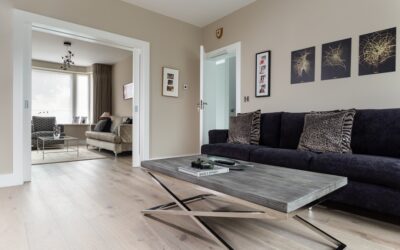
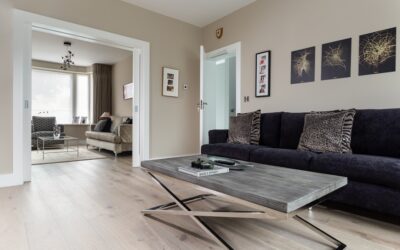
There is a warmth to a floor that looks like it has lived a little, gentle waves and scoops across the surface catching the light differently with every step. Hand scraped maple flooring delivers exactly that lived-in, artisan character on top of one of North America’s hardest, most durable domestic species. But maple is also a notoriously particular wood, dense, smooth-grained, and finicky about stain and finish, which makes the hand-scraped treatment both a beautiful complement and a technical balancing act. Understanding how the texture and the species interact is the key to a floor you will love for decades.
- What Hand Scraping Actually Is
- Why Maple Is a Strong Foundation
- The Look: Rustic Character on a Clean Canvas
- The Finish-Adhesion Challenge
- Solid vs. Engineered
- Maintenance and Durability
- What It Costs
- Design Styles That Suit It
- Comparing Maple to Other Scraped Species
- Is Hand Scraped Maple Right for You?
What Hand Scraping Actually Is
Hand scraping is a surface texturing technique that removes the perfectly flat, machine-sanded look of standard hardwood. Traditionally done with a draw knife by craftsmen, today it ranges from genuine hand-scraped boards (each one unique) to machine-distressed and “hand-sculpted” products that replicate the effect at scale. The result is subtle undulations, scoops, and sometimes scraped edges that read as rustic, antique, or Old-World. On maple, the texture adds visual interest to a wood that is otherwise smooth and uniform.
Why Maple Is a Strong Foundation
Maple brings serious performance to the equation. Hard maple (sugar maple) rates around 1,450 on the Janka hardness scale, well above red oak’s 1,290, making it highly resistant to dents and wear, ideal for busy households, hallways, and homes with kids and pets.
- Hardness: Among the hardest domestic species, excellent dent and traffic resistance.
- Clean, subtle grain: Smooth, fine grain with a light, creamy color that suits modern and transitional spaces.
- Domestic and available: Widely sourced in North America, often FSC-certified options available.
- Texture-friendly hardness: The dense surface holds a scraped texture crisply rather than fuzzing.
The Look: Rustic Character on a Clean Canvas
Maple’s pale, even tone means the hand-scraped texture and any applied stain become the star. Lighter natural and wire-brushed finishes let the scraping read as soft, organic movement, while darker stains create dramatic contrast in the scooped low spots. Because maple’s grain is so subtle, hand scraping is often what gives a maple floor the visual depth that oak gets naturally from its open grain. If you want rustic character without the heavy, busy grain of oak or hickory, scraped maple is a refined middle ground.
The Finish-Adhesion Challenge
Here is where maple demands respect. Its dense, tight, closed grain does not absorb stain evenly, so it is prone to blotchiness and uneven color when stained dark, more so than oak. Achieving a uniform dark maple floor requires a conditioner or specialized staining process and real skill; many pros recommend keeping maple light or near-natural for this reason. The same density can make finish adhesion trickier, demanding proper sanding sequence and the right primer or sealer. The upside of buying prefinished hand-scraped maple is that the manufacturer handles this in a controlled factory setting with cured, durable finishes.
Solid vs. Engineered
You can get hand-scraped maple as solid or engineered planks. Solid maple is all hardwood and can be sanded and refinished multiple times, but it is more sensitive to humidity swings and movement, maple expands and contracts notably. Engineered maple, with a real maple wear layer over a stable plywood core, resists humidity better, suits basements and concrete slabs, and is often the smarter choice in variable climates. For a hand-scraped look, both are widely available; engineered is generally more dimensionally stable.
Maintenance and Durability
One underrated benefit of hand-scraped texture is that it hides wear. Scuffs, minor scratches, and dents blend into the intentionally irregular surface far better than they would on a flat, glossy floor, a real advantage for high-traffic homes. Day-to-day care is standard hardwood maintenance: sweep or vacuum grit, damp-mop sparingly with a hardwood-safe cleaner, use felt pads under furniture, and wipe spills promptly since wood and standing water do not mix. The textured surface does collect a bit more dust in its valleys, so regular sweeping helps.
What It Costs
Expect hand-scraped maple to run roughly $5 to $10 per square foot for engineered products and $6 to $12-plus for solid, with hand-scraped and premium grades at the higher end. Professional installation typically adds $3 to $6 per square foot. Genuine, board-by-board hand-scraped products cost more than machine-distressed lookalikes. Always order about 10 percent overage for cuts and future repairs, and confirm whether the texture is true hand-scraped or machine-applied so the price matches the product.
Design Styles That Suit It
Hand scraped maple bridges several design directions, which is part of its appeal. In its natural or lightly stained form, it leans modern farmhouse and transitional, the scraped texture adding warmth and authenticity to clean, contemporary rooms. Stained a touch darker, it reads rustic, lodge, or Old-World, especially with wider planks and a wire-brushed finish. Because maple’s grain is subtle, the floor never feels as busy as scraped hickory or oak, so it works in spaces where you want texture without visual noise. It pairs well with white and cream cabinetry, natural-fiber rugs, and both matte black and warm metal accents.
Comparing Maple to Other Scraped Species
It helps to know how scraped maple stacks up against the alternatives. Hand scraped oak is the most common and most forgiving to stain, with bold open grain that takes color evenly, but it is softer than maple. Hand scraped hickory is even harder and far more varied in color, giving a busier, more dramatic look. Walnut offers rich dark tones naturally but is softer and pricier. Maple’s niche is the combination of exceptional hardness with a clean, light, fine grain, ideal if you want a tough, bright floor with rustic texture and you are willing to keep the stain light to avoid blotching. Knowing this trade-off up front keeps your expectations and your finish choice aligned.
Is Hand Scraped Maple Right for You?
Hand scraped maple flooring is an excellent choice if you want rustic, artisan character backed by exceptional hardness and a floor that disguises everyday wear. Lean toward natural or lighter finishes to sidestep maple’s blotchy-staining tendency, and consider engineered construction for humidity-prone spaces. Buy prefinished to get a factory-cured finish over this finicky species, confirm whether the scraping is genuine or simulated, and you will have a durable, light-filled floor with the warmth of something hand-crafted, on top of one of the toughest woods you can put down.
Prefer to explore on your own?
See how new flooring looks in your actual room in seconds — free, no signup.
Try the free Floor Studio →