Rustic wood flooring brings warmth, character, and timeless appeal to any home. Whether you are drawn to the rough-hewn charm of reclaimed barn wood or the subtle imperfections of hand-scraped planks, rustic floors create a lived-in aesthetic that mass-produced smooth finishes simply cannot replicate. This style has moved well beyond farmhouse and cabin settings and now anchors everything from modern industrial lofts to coastal cottages.
In this guide, we cover the different types of rustic wood flooring, the most popular wood species for the look, how to choose between solid and engineered construction, design inspiration, and what you can expect to pay in 2026.
- What Makes Wood Flooring Look Rustic?
- Types of Rustic Wood Flooring
- Best Wood Species for Rustic Flooring
- Solid vs Engineered Rustic Wood Flooring
- Design Styles with Rustic Wood Flooring
- Rustic Wood Flooring Pricing
- Care and Maintenance for Rustic Wood Floors
- Where to Buy Rustic Wood Flooring
- Final Thoughts
What Makes Wood Flooring Look Rustic?
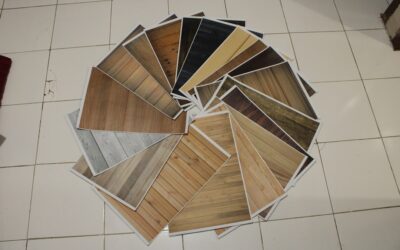
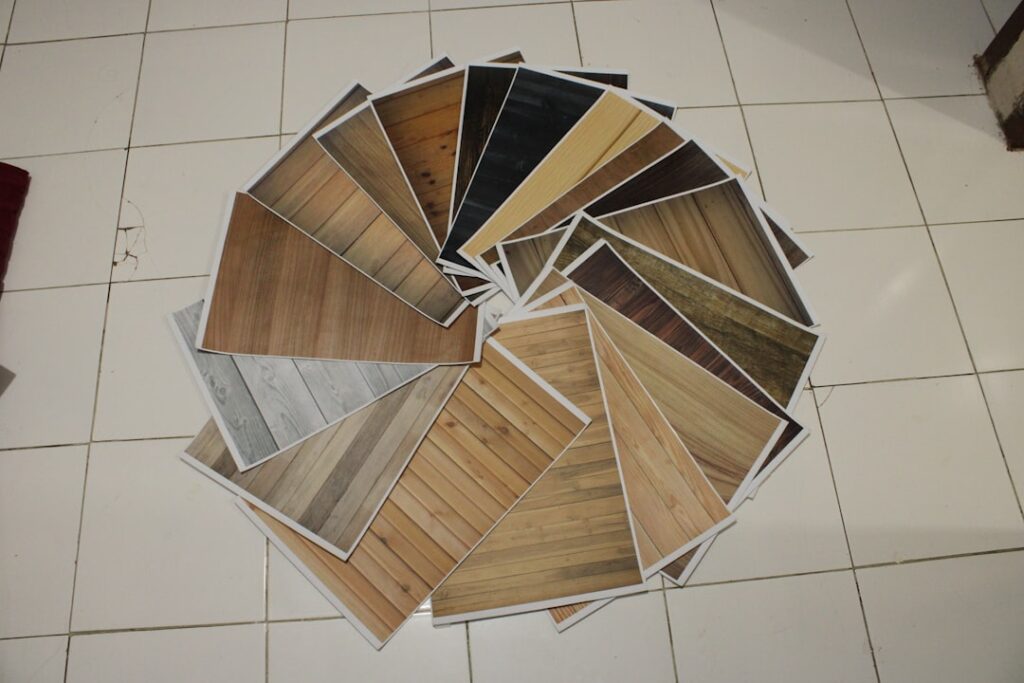
Rustic wood flooring is defined by visible character marks that celebrate the natural imperfections of wood. These include knots, mineral streaks, color variation between boards, saw marks, worm holes, nail holes, and irregular grain patterns. In grading terms, rustic floors use Character grade, Cabin grade, or #2 Common grade lumber, which allows more natural variation than Select or Clear grades.
The rustic look can be achieved through genuinely aged or reclaimed wood, or through manufacturing techniques that replicate the appearance of age and wear. Both approaches produce beautiful results, but they differ in cost, availability, and performance.
Types of Rustic Wood Flooring
Distressed Wood Flooring
Distressed flooring is new wood that has been mechanically treated to look old. Manufacturers use techniques like tumbling, wire brushing, scraping, and even hitting the wood with chains or hand tools to create dents, scratches, and surface irregularities. The result is a floor that looks like it has been in a home for decades.
The practical advantage of distressed flooring is that real scratches and dents from daily life blend in with the existing marks rather than standing out. This makes distressed floors an excellent choice for homes with kids, pets, and heavy foot traffic. You get the character of age without the anxiety of protecting a pristine surface.
Hand-Scraped Wood Flooring
Hand-scraped flooring features shallow, irregular scraping marks across the surface of each plank. Traditional hand-scraping is done by artisans using draw knives and hand planes, creating a one-of-a-kind texture where no two boards are identical. Machine-scraped versions replicate this look at lower cost, though the pattern tends to repeat more noticeably.
The texture of hand-scraped floors adds both visual depth and slip resistance. The undulating surface catches light differently across the room, creating a dynamic, artisan quality that flat-finished floors lack. Hand-scraped hardwood flooring typically commands a premium of $1 to $3 per square foot over smooth-finished equivalents.
Reclaimed Wood Flooring
Reclaimed wood flooring is salvaged from old barns, factories, warehouses, railway ties, wine barrels, and other structures. This is the most authentic form of rustic flooring because the character marks are genuine, created by decades or centuries of use and weathering. Reclaimed floors may feature original nail holes, saw marks, patina, and oxidation that cannot be convincingly replicated.
Reclaimed wood is also an environmentally responsible choice. Using salvaged lumber reduces demand for newly harvested timber and keeps usable material out of landfills. However, reclaimed wood requires careful sourcing, inspection for lead paint or chemical treatments, and thorough milling to ensure consistent thickness and a level installation.
Wire-Brushed Wood Flooring
Wire brushing is a subtler distressing technique that removes the soft wood fibers from the surface while leaving the harder grain lines raised. The result is a lightly textured, open-grain surface that shows the natural wood grain pattern in dramatic relief. Wire-brushed floors are less aggressive-looking than heavily distressed or hand-scraped options, making them suitable for transitional and contemporary-rustic interiors.
This finish is particularly popular on white oak and European oak flooring, where the prominent grain structure responds beautifully to wire brushing. It also pairs well with matte and oil finishes that enhance the tactile quality of the texture.
Best Wood Species for Rustic Flooring
White Oak
White oak is the most popular choice for rustic wood flooring in 2026. Its prominent grain pattern, warm golden-brown tones, and excellent hardness (1,360 on the Janka scale) make it ideal for distressed and wire-brushed finishes. White oak also has closed pores that make it more water-resistant than red oak, an important consideration for kitchens and entryways.
Hickory
Hickory is the hardest domestic hardwood commonly used for flooring, with a Janka rating of 1,820. Its dramatic color variation, ranging from creamy white sapwood to deep brown heartwood, creates a naturally rustic appearance even without distressing. Hickory is the go-to species for high-traffic rustic installations where durability is paramount.
Reclaimed Heart Pine
Heart pine salvaged from old-growth Southern pine is one of the most prized reclaimed flooring materials. The tight grain, rich amber color, and distinctive character marks of century-old heart pine are impossible to find in new lumber because modern pine grows too quickly to develop the same density and color. Reclaimed heart pine typically costs $8 to $15 per square foot.
American Walnut
Walnut offers a darker, more sophisticated rustic look with its rich chocolate-brown color and flowing grain. Rustic-grade walnut includes sapwood streaks (lighter colored edge wood) that add contrast and visual interest. Hand-scraped or distressed walnut is popular in modern rustic and industrial-style interiors.
European Oak
European oak, particularly French oak, is highly sought after for rustic flooring. It tends to have longer, wider planks with a more consistent grain pattern than American white oak. European oak is the traditional choice for wire-brushed, smoked, and oil-finished rustic floors in the European style.
Maple and Cherry
While less common in rustic applications, both maple and cherry can work in lighter rustic settings. Rustic-grade maple has mineral streaks and color variation that add interest. Cherry darkens dramatically with sun exposure, developing a rich patina over time that suits traditional rustic interiors.
Solid vs Engineered Rustic Wood Flooring
Solid Rustic Hardwood
Solid rustic hardwood is milled from a single piece of wood, typically 3/4 inch thick. It can be sanded and refinished multiple times over its lifetime, making it a true buy-it-for-life product. Solid wood expands and contracts with humidity changes, so it must be nailed or stapled to a plywood subfloor and is not suitable for below-grade installations or over concrete.
For reclaimed flooring, solid construction is the standard since the salvaged lumber is already solid wood that gets remilled to flooring dimensions. Solid reclaimed flooring offers the thickest cross-section of genuine aged wood, maximizing the authentic character.
Engineered Rustic Hardwood
Engineered wood flooring features a real hardwood veneer (typically 2 to 6 mm thick) bonded to a plywood or HDF core. Engineered construction offers several advantages for rustic flooring: it is more dimensionally stable, can be installed over concrete or with radiant heating, and is available in wider planks (up to 10 inches or more) that enhance the rustic aesthetic.
Wide-plank engineered floors with rustic finishes are among the most popular flooring products today. The wide format shows off the grain and character marks, while the engineered core prevents the cupping and gapping that wide solid planks are prone to. For most homeowners, engineered rustic flooring offers the best balance of authenticity, stability, and value.
Design Styles with Rustic Wood Flooring
Modern Farmhouse
The modern farmhouse style pairs wide-plank rustic oak or hickory flooring with white shiplap walls, black hardware, and clean-lined furniture. Wire-brushed white oak in a natural or light-stained finish is the quintessential modern farmhouse floor. The key is balancing rustic texture with contemporary simplicity.
Industrial Loft
Industrial interiors use reclaimed wood flooring alongside exposed brick, steel beams, and concrete elements. Heavily distressed or reclaimed flooring with visible nail holes and heavy patina suits this style perfectly. Darker stains and matte finishes emphasize the raw, urban character.
Mountain Cabin and Lodge
Cabin-style interiors embrace the most rugged rustic flooring, including wide hickory planks, reclaimed barn wood, and heavily hand-scraped surfaces. Warm, medium-toned stains and satin finishes complement stone fireplaces, log accents, and natural textiles.
Coastal Rustic
Coastal homes use lighter rustic floors to create an airy, beach-house feel. White-washed oak, bleached reclaimed wood, and light gray wire-brushed finishes all work beautifully. The rustic texture prevents the floor from looking too polished, maintaining the casual vibe that coastal style demands.
Transitional and Contemporary Rustic
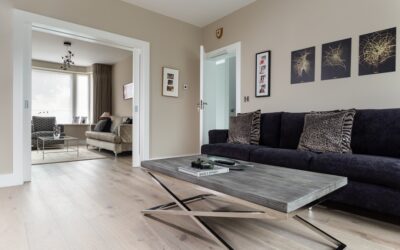
For a more refined take on rustic flooring, wire-brushed European oak with a matte oil finish delivers subtle texture without heavy distressing. This approach works in transitional spaces where you want warmth and character without a full-on farmhouse or cabin look. Neutral gray, taupe, and natural tones are popular in this category.
Rustic Wood Flooring Pricing
Rustic wood flooring spans a wide price range depending on the type, species, and construction. Here are typical material costs per square foot in 2026:
Solid Rustic Hardwood
- Domestic species (oak, hickory, maple): $4 to $8 per square foot
- Exotic or premium species (walnut, wide-plank oak): $7 to $12 per square foot
- Reclaimed heart pine or barn wood: $8 to $18 per square foot
Engineered Rustic Hardwood
- Standard width (3-5 inches): $4 to $7 per square foot
- Wide plank (6-9 inches): $6 to $12 per square foot
- Premium European oak, wide plank: $9 to $16 per square foot
Installation Costs
- Nail-down solid hardwood: $3 to $5 per square foot
- Floating engineered hardwood: $2 to $4 per square foot
- Glue-down engineered hardwood: $3 to $5 per square foot
- Reclaimed wood (extra prep): $4 to $7 per square foot
For a 500-square-foot living room, expect to pay $3,500 to $6,000 for mid-range engineered rustic flooring fully installed, or $5,500 to $10,000 for premium wide-plank or reclaimed options.
Care and Maintenance for Rustic Wood Floors
Rustic wood floors are inherently more forgiving than smooth, glossy finishes, but they still require regular care to maintain their beauty and structural integrity.
- Regular cleaning: Sweep or vacuum daily in high-traffic areas. Use a hardwood-specific cleaner and a microfiber mop weekly.
- Protect from moisture: Wipe up spills immediately. Use mats near sinks and entryways. Maintain indoor humidity between 35% and 55%.
- Prevent scratches: Use felt pads under all furniture legs. Keep pet nails trimmed. Place area rugs in high-traffic zones.
- Refinishing: Oil-finished rustic floors can be spot-repaired and recoated without sanding the entire floor. Polyurethane-finished floors will eventually need full sanding and refinishing, typically every 10 to 15 years.
- Embrace the patina: The beauty of rustic flooring is that it gets better with age. Minor dents and scratches add to the character rather than detracting from it.
Where to Buy Rustic Wood Flooring
Rustic wood flooring is available from a variety of sources. Specialty flooring retailers offer the widest selection and expert guidance. Big-box home improvement stores carry affordable options from major brands. Online retailers provide competitive pricing and ship directly to your home. For reclaimed wood, seek out salvage companies, architectural antiques dealers, and specialty reclaimed lumber suppliers who can verify the provenance and safety of the material.
Final Thoughts
Rustic wood flooring transforms a house into a home with warmth, texture, and character that no other flooring style can match. Whether you choose hand-scraped hickory for a mountain retreat, wire-brushed white oak for a modern farmhouse, or genuine reclaimed barn wood for an industrial loft, rustic flooring makes a design statement that is both timeless and deeply personal. With options at every price point and construction type, there is a rustic wood floor for every home and budget in 2026.
Prefer to explore on your own?
See how new flooring looks in your actual room in seconds — free, no signup.
Try the free Floor Studio →