Few surfaces transform a room the way a bright, reflective floor does, and harmony white polished porcelain tile has become one of the most popular ways to get that clean, gallery-like glow without the cost and upkeep of natural marble. After years of specifying and installing polished porcelain in kitchens, baths, and open living areas, I can tell you the appeal is real: the mirror-smooth surface bounces light around a space, makes small rooms feel larger, and pairs with almost any style from minimalist modern to soft transitional. But polished white porcelain also comes with a few trade-offs worth understanding before you buy.
Part of our Tile & Grout guide — explore the full guide →
This guide walks through the practical decisions that actually matter when you shop for a white polished porcelain look: the difference between polished and matte finishes, the sizes that work best, how slip resistance changes when the floor gets wet, the marble-veining options available today, whether you need to seal it, and how to keep it looking crisp for years. My goal is to help you buy with confidence and install it in the right rooms.
- Polished Versus Matte: What the Finish Really Changes
- Sizes: 12×24, 24×24, and Large Format
- The Light-Reflecting, Space-Expanding Look
- Slip Resistance: The Wet-Floor Concern
- Marble-Look Veining Options
- Do You Need to Seal Polished Porcelain?
- Where to Use It: Floors, Walls, and Showers
- Cost, Cleaning, and Long-Term Maintenance
Polished Versus Matte: What the Finish Really Changes
The single biggest decision with white porcelain is finish. A polished tile is ground and buffed to a high-gloss, glass-like surface that reflects light and reads as luxurious and formal. A matte (or “natural”) finish has a softer, low-sheen face that hides smudges, water spots, and foot traffic far better. Both are the same dense porcelain body underneath; the difference is entirely in how the top surface is treated.
Polished porcelain shows off color and veining beautifully, which is exactly why the harmony white polished porcelain tile look is so striking in an entryway or formal living room. The gloss deepens the perception of the pattern and makes the white read brighter. The downside is that a glossy floor shows dust, hair, footprints, and dried water droplets more readily than matte, so you will notice a polished floor needs wiping more often to stay photo-perfect.
Matte, by contrast, is more forgiving day to day and offers more grip underfoot, which is why many pros steer clients toward matte for busy family floors and polished for feature areas. If you love the shine but worry about upkeep, a compromise is a “satin” or honed finish that splits the difference with a gentle luster and better traction.
Sizes: 12×24, 24×24, and Large Format
Porcelain comes in a wide range of formats, and the size you pick dramatically affects how the finished floor looks. The 12×24 inch plank-style rectangle is the workhorse of modern tile: it lays fast, works on floors and walls, and its longer proportion visually stretches a room. Running 12×24 in a one-third or brick offset gives a contemporary, grout-lean look that suits most baths and kitchens.
The 24×24 square is the classic choice for a clean, seamless floor. Fewer grout lines mean the polished surface reads as one continuous reflective plane, which amplifies that space-expanding effect. For open-concept living areas and larger baths, 24×24 is often the sweet spot between drama and installability.
Large-format tiles such as 24×48, 32×32, and even bigger slab-style panels push the seamless look further, with grout joints so sparse the floor almost mimics a poured surface. Large format looks spectacular but demands a very flat substrate and a skilled installer using proper leveling clips, since any lippage or subfloor dip becomes obvious on a big glossy tile. Budget more labor for large format, and never attempt it over a wavy floor without proper prep.
The Light-Reflecting, Space-Expanding Look
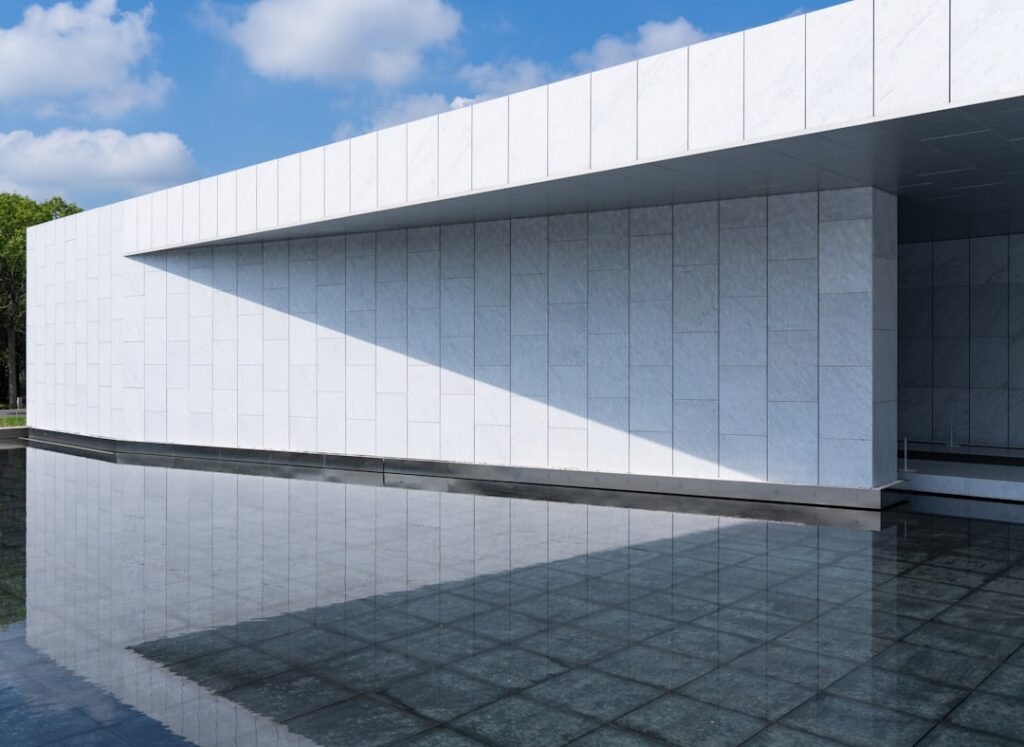
The reason designers reach for polished white so often is optical. A high-gloss white floor reflects both natural and artificial light, so a north-facing room or a windowless powder room feels noticeably brighter. In a small space, that reflectivity combined with the pale color visually pushes the walls outward, making a cramped bath feel like a boutique hotel.
To maximize the effect, keep grout close to the tile color. A bright white or pale gray grout on white tile minimizes visual interruption and lets the surface read as one continuous sheet. A dark grout, by contrast, creates a grid that can be handsome but works against the seamless, expansive feel most people are chasing with white polished porcelain.
Slip Resistance: The Wet-Floor Concern
Here is the honest caution: a polished floor is slick when wet. The same buffed surface that reflects light so well offers less traction than a matte or textured tile, and once water, soap film, or wet feet enter the picture, a glossy porcelain floor can get genuinely slippery. This is the number-one reason I hesitate to put highly polished tile on a shower floor or a main bath floor for households with kids or older adults.
Slip resistance is measured by a coefficient of friction, often reported as DCOF (dynamic coefficient of friction). A rating of 0.42 or higher is the common benchmark for floors that may get wet. Many polished porcelains fall below that threshold, so check the manufacturer’s DCOF spec sheet before you commit to a wet area. For shower floors specifically, small mosaic tiles (with lots of grout lines for grip) or a matte-finish tile are the safer, code-friendly choices, and you can still use the polished version on the shower walls where slip is not a factor.
For dry areas such as living rooms, bedrooms, entryways, and kitchen perimeters, polished white is perfectly practical. Just place absorbent mats at exterior doors and in front of sinks to catch drips, and wipe spills promptly.
Marble-Look Veining Options
Modern inkjet printing has made marble-look porcelain almost indistinguishable from the real stone at arm’s length. A white porcelain tile can carry soft gray veining reminiscent of Carrara, bold dramatic streaks like Calacatta, or a nearly solid whisper-white with faint movement for a calmer look. The best manufacturers use a high number of unique face variations, so you do not see the same veining pattern repeat every few tiles across the floor.
When shopping, ask how many “faces” or print variations a tile series has. A series with only a handful of faces will show obvious repeats on a large floor, breaking the natural-stone illusion. Higher-end lines with a dozen or more variations lay up looking genuinely like slab marble. Because it is porcelain, you get that marble aesthetic without the staining, etching from acids, and constant sealing that real marble demands.
Do You Need to Seal Polished Porcelain?
Porcelain itself is vitreous and nearly nonporous, so the tile body does not require sealing the way natural stone does. However, there is an important nuance with polished porcelain. The polishing process can open microscopic pores on the surface, and some manufacturers recommend applying a penetrating sealer to a polished tile to keep grout haze and stains from lodging in those micro-pores, especially during installation.
Regardless of the tile, the grout almost always benefits from sealing. Cement-based grout is porous and will absorb dirt and moisture, so sealing the grout lines (or using a stain-resistant epoxy or urethane grout) keeps a white floor from developing dingy joints. Check your specific tile’s technical data sheet; many polished porcelains ship pre-treated, but a quick surface sealer plus grout sealer is cheap insurance for a bright white floor.
Where to Use It: Floors, Walls, and Showers
Polished white porcelain shines on feature floors, accent walls, backsplashes, fireplace surrounds, and shower walls. On walls it is a fantastic choice with no slip concern at all, so you can run the glossy tile floor-to-ceiling in a shower for a luxe, easy-clean surround. Behind a range or across a bathroom vanity wall, the reflective white brightens the whole room.
For floors, reserve the high-polish version for lower-traffic, dry-to-damp areas and lean on matte or textured finishes for showers pans, entries that see rain and snow, and homes where slip safety is a priority. A smart, common approach is to use one coordinated white porcelain series in two finishes: polished on the walls and a matte or honed version of the same tile on the floor, giving you a cohesive look with safer footing.
Cost, Cleaning, and Long-Term Maintenance
Polished porcelain generally runs about $3 to $9 per square foot for the tile itself, with premium marble-look series and large-format slabs landing at the higher end. Installation typically adds $7 to $15 per square foot depending on your region, the tile size, and how much floor prep the substrate needs. Large-format and intricate patterns cost more to install because they demand flatter substrates and more careful work.
Cleaning is refreshingly simple: sweep or dust-mop regularly to keep grit from dulling the shine, and damp-mop with a pH-neutral cleaner. Avoid abrasive pads, harsh acids, and oil-based or wax cleaners, which can film over the gloss and actually make a polished floor look cloudy and more slippery. For water spots on a glossy floor, a microfiber cloth and a splash of neutral cleaner restores the shine quickly.
Done right, a white polished porcelain floor is one of the most durable, low-maintenance luxury looks you can buy. It resists scratches, stains, moisture, and fading far better than natural marble, and it holds its bright, reflective finish for decades. Match the finish to the room, keep grout sealed, mind the slip factor in wet zones, and a harmony white polished porcelain tile installation will keep a space feeling airy, elegant, and effortlessly clean for years to come.
Prefer to explore on your own?
See how new flooring looks in your actual room in seconds — free, no signup.
Try the free Floor Studio →