White porcelain tile is one of the most versatile and enduringly popular choices in tile flooring and wall applications. It brightens spaces, makes rooms feel larger, and serves as a clean canvas that works with virtually any design style, from minimalist modern to classic traditional. Whether you are tiling a bathroom, kitchen, entryway, or feature wall, white porcelain offers a timeless foundation.
Part of our Tile & Grout guide — explore the full guide →
This guide covers the different finishes available in white porcelain, popular sizes and formats, marble-look options, maintenance considerations (especially grout care), best room applications, and design tips to help you get the most out of this classic tile choice.
Why White Porcelain Remains So Popular
White has never gone out of style in tile, and there are practical reasons for its enduring popularity beyond pure aesthetics.
- Timeless appeal: White tile does not follow trends. It looked appropriate 50 years ago and will look appropriate 50 years from now.
- Space enhancement: White reflects light and makes rooms feel larger and more open, which is especially valuable in bathrooms, small kitchens, and compact entryways.
- Design flexibility: White tile works as a neutral background for any colour scheme, furniture style, or decorative accent. Changing your decor never requires changing your tile.
- Cleanliness perception: White surfaces communicate cleanliness, which is why they dominate in kitchens, bathrooms, and medical facilities.
- Resale value: White tile is the safest choice for resale because it appeals to the widest range of buyers. It never alienates potential purchasers the way bold colour choices can.
White Porcelain Finishes
Matte White
Matte white porcelain has a flat, non-reflective surface that creates a soft, understated look. It is the most practical finish for floors because it provides better slip resistance than glossy alternatives and does not show water spots, footprints, or cleaning streaks.
Matte white is the dominant choice for bathroom floors, kitchen floors, and any wet area. It creates a modern, clean aesthetic that works especially well in contemporary and Scandinavian-inspired designs. The honed, smooth matte finish is different from textured matte, which has a rougher surface for maximum grip.
Glossy White
Glossy or polished white porcelain has a high-shine, reflective surface that maximizes light reflection and creates a bright, luminous quality. It is stunning on walls, backsplashes, and shower surrounds where the light-catching quality adds visual depth.
On floors, glossy white is beautiful but comes with trade-offs. It is slippery when wet, shows every footprint and water droplet, and scratches are immediately visible on the reflective surface. Glossy white floor tile works best in low-traffic, dry areas like formal living rooms and bedrooms. For bathrooms and kitchens, reserve the glossy finish for walls and choose matte for the floor.
Textured White
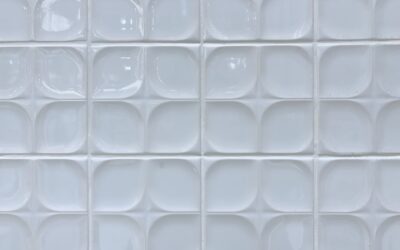
Textured white porcelain features a deliberately roughened or patterned surface that provides enhanced grip and visual interest. Textures range from subtle linen-like impressions to bold 3D geometric patterns. Stone-look white porcelain often features the natural texture of the stone it replicates, such as the rough surface of limestone or the crystalline texture of quartzite.
Textured white tiles are excellent for shower floors, outdoor areas, pool surrounds, and any application where maximum slip resistance is required. The texture also adds dimension that prevents large expanses of white from feeling flat or sterile.
Popular White Porcelain Sizes and Formats
Subway Tile (3×6, 4×8, 4×12 inches)
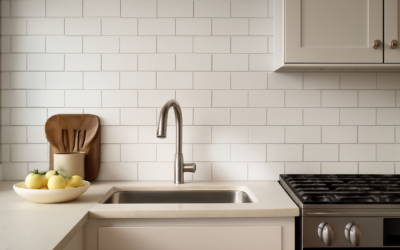
The classic subway tile format is synonymous with white tile. Traditional 3×6 subway tiles create a timeless look in kitchens and bathrooms. Larger subway formats like 4×12 and 4×16 offer a more modern, elongated proportion that is currently very popular. Subway tiles are primarily used on walls and backsplashes, though they can work on floors in smaller formats.
Layout options include the classic brick offset, stacked vertical, stacked horizontal, herringbone, and chevron patterns. Each layout dramatically changes the character of the same tile.
Large-Format (24×24, 24×48, 32×32 inches)
Large-format white porcelain tiles are the modern standard for floors. Fewer grout lines create a cleaner, more seamless appearance that maximizes the open, expansive quality of white. A 24×48 white tile on a bathroom floor with matching thin grout creates an almost monolithic white surface that feels spacious and luxurious.
Large-format tiles require a very flat subfloor and precise installation to avoid lippage (uneven edges between adjacent tiles). Professional installation is strongly recommended.
Mosaic (1×1, 2×2 inches, hexagonal, penny round)
White porcelain mosaics come pre-mounted on mesh sheets for easy installation. They are primarily used for shower floors, bathroom accent walls, backsplashes, and niche linings. The many grout lines provide excellent traction on shower floors.
Popular white mosaic formats include penny round (small circles), hexagonal, basketweave, and herringbone patterns. These smaller formats add texture and visual interest while maintaining the bright, clean white palette.
Plank Format (6×24, 6×36, 8×48 inches)
White porcelain in plank format mimics the shape of wood flooring. While wood-look planks are typically printed in brown and grey wood tones, white-washed and limed wood-look planks in near-white tones offer a coastal, beachy aesthetic that is popular in bathrooms and casual living spaces.
Marble-Look White Porcelain
White porcelain tiles that replicate the look of natural marble are enormously popular. They deliver the elegant appearance of Carrara, Calacatta, or Statuario marble without the maintenance demands, etching risk, and high cost of real stone.
Carrara Look
Carrara-look porcelain features a soft grey-white background with fine, feathery grey veining. It is the most subtle and versatile marble look, working in both traditional and modern settings. Carrara is the most popular marble look for bathroom floors and walls.
Calacatta Look
Calacatta-look porcelain has a brighter white background with bolder, more dramatic grey and gold veining. It makes a stronger visual statement than Carrara and is often used for feature walls, kitchen backsplashes, and statement floors. Premium Calacatta-look tiles use bookmatching technology where adjacent tiles are mirror images, creating a dramatic continuous vein pattern.
Statuario Look
Statuario-look porcelain features a pure white background with bold, high-contrast grey veining. It is the most dramatic of the classic marble looks and creates a luxurious, high-end appearance. Statuario-look tiles are popular for master bathrooms and formal spaces.
Why Porcelain Over Real Marble?
Real marble is beautiful but high-maintenance. It is porous and must be sealed regularly, it etches when exposed to acidic substances (lemon juice, vinegar, wine), and it stains relatively easily. Porcelain marble-look tiles are non-porous, stain-resistant, acid-resistant, and virtually maintenance-free. They cost significantly less per square foot and offer consistent quality without the natural variation that can make real marble installation challenging.
Maintaining White Porcelain Tile
Tile Surface Care
White porcelain tile itself is remarkably easy to maintain. The dense, non-porous surface resists stains and does not require sealing. Regular sweeping and mopping with a pH-neutral cleaner keeps it looking new. Stubborn marks can be removed with a non-abrasive scrubbing pad.
The main challenge with white tile is that dirt and discolouration are more visible than on darker tiles. You will need to clean white tile floors more frequently to maintain their bright appearance. This is not because white tile gets dirtier, but because the same amount of dirt is simply more noticeable.
Grout Care: The Real Challenge
With white porcelain tile, grout maintenance becomes the primary concern. Grout is porous and absorbs dirt, mildew, and stains over time. On a white tile floor, discoloured grout is immediately and glaringly obvious.
Seal grout at installation: Apply a penetrating grout sealer as soon as the grout has fully cured (typically 48 to 72 hours after grouting). This dramatically reduces stain absorption.
Reseal annually: Reapply grout sealer once a year in high-traffic and wet areas. The sealer wears off over time, leaving grout vulnerable.
Clean grout regularly: Use a grout-specific cleaner and a stiff brush to scrub grout lines monthly. Do not let stains build up over time, as deeply embedded discolouration is very difficult to remove.
Consider epoxy grout: For white tile installations where grout maintenance is a top concern, epoxy grout is an excellent investment. Unlike cement-based grout, epoxy grout is non-porous, stain-resistant, and does not require sealing. It costs more and is harder to work with during installation, but it stays clean with minimal effort indefinitely.
Grout colour choice: If you are concerned about grout maintenance, choose a light grey grout rather than pure white. Light grey hides minor discolouration while still maintaining the clean, bright look that complements white tile. Pure white grout will almost inevitably discolour over time, even with diligent maintenance.
Best Rooms for White Porcelain Tile
Bathrooms
White porcelain is the most popular bathroom tile choice by a wide margin. It makes small bathrooms feel larger, creates a clean spa-like atmosphere, and works with every bathroom design style. Use matte or textured for floors and glossy or matte for walls.
Kitchens
White porcelain backsplashes brighten kitchens and complement both light and dark cabinetry. For kitchen floors, white requires more frequent cleaning but creates a stunning, bright workspace. Marble-look white porcelain is particularly popular for kitchen applications.
Laundry Rooms
A white tile floor in the laundry room looks clean and makes it easy to spot dropped items. The waterproof, stain-resistant surface handles detergent spills and water drips effortlessly.
Entryways
A white tile entryway makes a bright, welcoming first impression. Pair with a large doormat to capture dirt before it reaches the tile. Large-format white tiles with thin grout lines create an elegant entrance.
Design Tips
- Mix finishes: Combine matte white floor tiles with glossy white wall tiles in the same room for subtle visual contrast and depth
- Add warmth with wood: White tile can feel cold and clinical. Balance it with wood vanities, wood shelving, warm-toned metals, and woven baskets
- Use pattern for interest: Herringbone, chevron, or basketweave layouts add visual texture to white tile without introducing colour
- Create contrast: Dark grout with white tile creates a bold graphic look. Black hexagonal accent tiles scattered among white hexagons add interest without overwhelming
- Layer textures: In an all-white bathroom, use different tile sizes and textures (large smooth floor tiles, small mosaic shower floor, textured wall tiles) to create visual interest
- Consider the undertone: Not all whites are equal. Some white tiles lean warm (creamy, ivory) while others lean cool (blue-white, grey-white). Match the undertone to your room’s lighting and colour scheme
- Use large format for floors: Large tiles with thin grout lines maximize the seamless, spacious quality of white. Small tiles with many grout lines can make a white floor look busier than intended
Cost
- Basic white porcelain tile: $1 to $3 per square foot
- Mid-range marble-look white: $3 to $7 per square foot
- Premium large-format or designer white: $7 to $15 per square foot
- White porcelain mosaics: $8 to $20 per square foot
- Professional installation: $5 to $10 per square foot
- Epoxy grout (if chosen): Add $1 to $2 per square foot over standard grout
For a 75 square foot bathroom with mid-range marble-look white porcelain on floors and walls, expect to spend approximately $600 to $1,500 for materials and $800 to $1,500 for professional installation.
Final Thoughts
White porcelain tile is a timeless, versatile choice that works in virtually any room and any design style. The key to a successful white tile installation is choosing the right finish for each surface (matte for floors, glossy or matte for walls), investing in proper grout sealing and maintenance, and using design techniques like mixed textures and warm accents to prevent the space from feeling sterile.
With the right approach, a white porcelain tile floor or wall becomes a bright, elegant foundation that will look fresh and relevant for decades.
Prefer to explore on your own?
See how new flooring looks in your actual room in seconds — free, no signup.
Try the free Floor Studio →