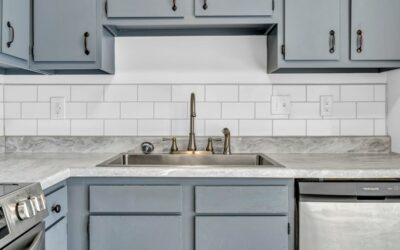
If you want one design choice that brightens a kitchen, plays well with everything, and still looks right in twenty years, this is it. A white tile backsplash is the most timeless backsplash decision a homeowner can make, reflecting light to open up the space, complementing any cabinet color, and offering endless variety through tile shape, layout, finish, and grout. From classic subway tile to handmade-look squares and large-format slabs, white tile delivers a clean, fresh foundation that adapts to nearly any style, from modern to farmhouse to traditional.
Part of our Kitchen Remodeling guide — explore the full guide →
Why White Tile Endures
White is popular for good reasons that go beyond trend. It reflects both natural and artificial light, making kitchens feel brighter and larger, a real advantage in smaller or darker rooms. It pairs effortlessly with any countertop, cabinet color, and hardware finish, so it rarely locks you into a look you will tire of. And it provides a clean, neutral backdrop that lets other elements, a bold countertop, colorful accessories, or warm wood, take the spotlight.
Because it is so neutral, a white backsplash is also a safe choice for resale. Buyers consistently respond to bright, clean kitchens, and white tile reads as fresh rather than dated.
Popular White Tile Styles
The word white covers a huge range once you start looking at shapes and textures.
- Subway tile: The classic 3×6-inch rectangle, endlessly versatile and budget-friendly.
- Handmade-look (zellige) tile: Slightly irregular, glazed squares with subtle color and surface variation for an artisanal feel.
- Hexagon and geometric tile: Adds shape and interest while keeping the color neutral.
- Large-format and slab tile: Big tiles or full slabs that minimize grout lines for a sleek, modern look.
- Picket, fish-scale, and arabesque tile: Distinctive shapes that bring personality without adding color.
- Marble and stone-look tile: White stone or porcelain that mimics marble’s veining for a luxe touch.
Even within plain white subway tile, the finish matters: glossy reflects more light and feels crisp, while matte reads softer and hides smudges better.
Layouts That Change the Look
The tile pattern transforms how the same white tile feels. A classic horizontal offset (running bond), where each row shifts halfway, is the traditional subway look. Stacked vertically or horizontally in a grid gives a clean, modern result. A herringbone or chevron layout adds movement and a more custom feel. Vertical stacking can visually raise a low backsplash, while horizontal runs widen the space. Choosing the layout is often a bigger style decision than choosing the tile itself.
Grout Makes a Big Difference
Grout color quietly defines a white backsplash. White or off-white grout creates a seamless, blended look where the tile reads as one bright surface. Gray grout adds definition, highlighting each tile’s shape and the pattern, which suits subway and geometric layouts. Darker grout makes a bold, graphic statement but shows the tile outline strongly. For practicality, keep in mind that pure-white grout can be harder to keep clean over a stove, so many homeowners choose a light gray that hides everyday grime while still looking crisp.
Using a stain-resistant or epoxy grout, or sealing cement grout, helps a white backsplash stay looking clean behind a busy cooktop.
Cost of a White Tile Backsplash
White tile spans a wide price range, which is part of its appeal. Basic white ceramic subway tile is among the most affordable options, often a few dollars per square foot for materials. Handmade-look, marble, and specialty-shaped tiles cost more, sometimes well over $10 to $20 per square foot. Professional installation typically adds labor on top of materials, with total installed costs commonly landing in the range of roughly $10 to $40 or more per square foot depending on the tile and complexity. These are general ranges; get local quotes for an accurate estimate. A standard kitchen backsplash is a relatively small area, so even premium tile can stay affordable overall.
Ceramic vs Porcelain vs Marble
White tile comes in several materials, and the choice affects both cost and performance. Ceramic is the most affordable and the easiest to cut and install, making it the popular pick for budget-conscious projects and DIYers; glazed ceramic resists moisture and stains well on a backsplash. Porcelain is denser, harder, and more durable, costing a bit more but standing up to heavy use, which is overkill for most backsplashes but valued by those who want maximum longevity. Marble and natural stone bring genuine veining and a luxurious feel, but they are porous, need sealing, and can stain from acidic kitchen splatters, so they require more care behind a cooktop.
For a typical kitchen backsplash, glazed ceramic or porcelain gives the best balance of looks, durability, and easy maintenance. If you love the marble look but not the upkeep, marble-look porcelain delivers the veining in a sealed, stain-resistant, lower-maintenance package, which is why it has become so popular.
Adding Interest Without Color
The biggest fear with a white backsplash is that it will look plain, but there are many ways to add depth while keeping it neutral. Texture is the easiest route: a handmade-look glaze, a beveled subway tile, or a fluted or three-dimensional tile catches light and creates shadow that flat tile cannot. Layout is another: herringbone, vertical stacking, or a picket shape adds movement using the same color. Grout offers a third lever, with a soft gray adding subtle definition. You can also mix tile shapes, pairing a field of subway tile with a band of hexagon or a marble accent strip, to create a custom look in an all-white palette.
Design Tips and Maintenance
To keep a white backsplash from feeling flat, add interest through texture, layout, or grout rather than color, a handmade glaze, a herringbone pattern, or contrasting grout all add depth. Tie the backsplash to the room by matching the white undertone (warm cream versus cool bright white) to your cabinets and counters. For upkeep, wipe spills and grease promptly, since white shows splatters, and use a gentle cleaner to avoid dulling glossy glazes. Sealed grout and the occasional deep clean keep the surface bright.
The Bottom Line
A white tile backsplash is a timeless, light-reflecting choice that works with virtually any kitchen and supports resale value. The real design decisions are in the tile shape, the layout, the finish, and especially the grout color, which together let you go anywhere from classic to modern. Choose a finish and grout that suit your style and cleaning habits, and you will have a bright, fresh backsplash that stays in style for years.
Prefer to explore on your own?
See how new flooring looks in your actual room in seconds — free, no signup.
Try the free Floor Studio →