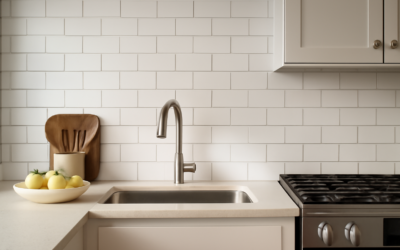
It is the surface that never seems to go out of style, from 1920s bathrooms to today’s modern kitchens. White ceramic tile is the most versatile and budget-friendly material in tile, brightening rooms, reflecting light, and pairing with literally any color scheme you might choose later. That flexibility is exactly why designers keep coming back to it, but white tile also asks for a few smart decisions, especially around finish and grout, to look its best for years.
Part of our Tile & Grout guide — explore the full guide →
Why White Tile Remains a Default Choice
White does several things no other color can. It makes small rooms feel larger and brighter by reflecting both natural and artificial light. It reads as clean, which is reassuring in kitchens and baths. And it acts as a neutral backdrop, letting you change cabinet colors, paint, and accessories over the years without the tile fighting your new scheme.
It is also forgiving at resale. Buyers rarely object to a clean white tile, whereas a bold colored tile can be a dealbreaker. For a long-term, low-risk surface, white is the safe and timeless bet.
Ceramic Versus Porcelain
Shoppers often blur these two, but the distinction matters. Both are fired clay, but porcelain is made from a denser clay fired at higher temperatures, making it harder, less porous, and more water-resistant. Ceramic is softer, easier to cut, and cheaper.
- Ceramic: Ideal for walls, backsplashes, and light-to-moderate traffic floors. Easier DIY, lower cost at $1 to $5 per square foot.
- Porcelain: Better for heavy-traffic floors, wet areas, and outdoor use. Costs $3 to $10 per square foot.
For a white kitchen backsplash or a bathroom wall, ceramic is usually the practical, economical choice. For a busy entryway floor, porcelain earns its premium.
Popular Styles and Sizes
White tile is anything but boring once you see the range of formats.
- Subway tile (3 by 6 inch): The classic rectangular tile, endlessly adaptable depending on the layout pattern.
- Large-format (12 by 24 inch and up): Fewer grout lines for a clean, modern look on floors and walls.
- Hexagon and penny round: Small mosaic shapes that add vintage charm and grip on bathroom floors.
- Square (4 by 4 inch up to 18 by 18 inch): Traditional and easy to install in simple grids.
- Textured and handmade-look: Subtle waves and irregular surfaces that add depth to all-white walls.
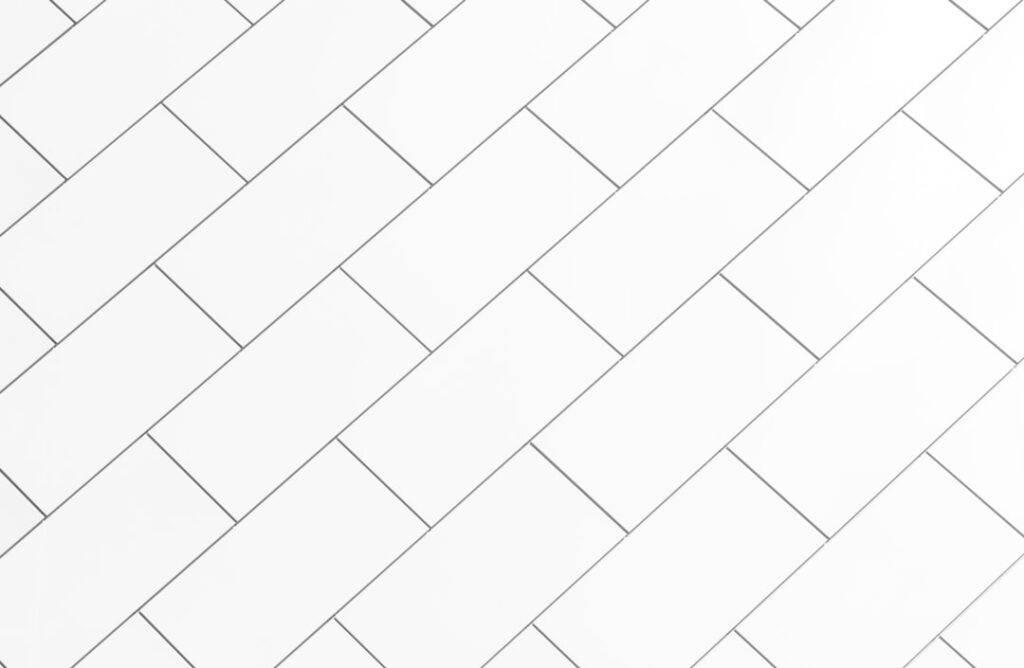
Layout changes everything. The same white subway tile looks traditional in a brick offset, contemporary in a vertical stack, and dynamic in a herringbone pattern.
Finishes and How They Affect the Look
The surface finish controls both appearance and practicality. Glossy white tile reflects the most light and feels crisp and bright, but it shows water spots and can be slippery underfoot when wet, so it is better on walls than on a wet floor. Matte white tile hides smudges and offers more slip resistance, making it the safer pick for bathroom and entry floors. Satin or honed finishes split the difference. For floors, always check the slip-resistance rating, especially in bathrooms.
The Grout Decision That Makes or Breaks It
With white tile, grout color is not a minor detail, it defines the entire look. You have two strategic directions:
- White or light gray grout: Creates a seamless, soft, monochromatic surface. Elegant, but light grout shows dirt and demands more cleaning.
- Dark or contrasting grout: Makes each tile pop and highlights the pattern, popular for subway tile. It also hides grime far better, a practical win in kitchens.
Whatever color you pick, choose a quality grout and consider an epoxy or a pre-mixed stain-resistant grout in high-mess areas. White tile with stained, neglected grout looks worse than no tile at all, so plan for upkeep from the start.
Where White Ceramic Tile Works Best
Its versatility means it fits nearly everywhere, with a few caveats:
- Kitchen backsplash: The classic application; easy to wipe clean and brightens the counter zone.
- Bathroom walls and tub surrounds: Reflects light in often-windowless rooms and reads as clean.
- Bathroom and laundry floors: Use matte or textured finishes for slip resistance.
- Mudrooms and entries: Choose porcelain here for durability against grit and traffic.
- Shower niches and accents: Small white mosaics add texture without overwhelming.
Patterns and Layouts That Add Interest
Because the color stays neutral, the layout becomes your main design lever. A herringbone or chevron arrangement turns plain white subway tile into a focal point worthy of a statement wall. A vertical stack reads crisp and modern, while a classic running bond feels familiar and warm. On floors, a large-format grid with thin grout lines looks expansive and contemporary, whereas hexagon mosaics bring a nostalgic, hand-laid charm to a powder room. Mixing two formats, such as a large field tile with a mosaic accent strip, adds depth without introducing color. Before committing, lay out a few loose tiles on the floor to preview the pattern at full scale, since a layout that looks subtle in a showroom sample can feel busy across an entire wall.
Keeping White Tile Looking Crisp
The tile itself is easy to maintain; the grout is the part that needs attention. Wipe glazed ceramic with a neutral pH cleaner and a soft cloth, avoiding abrasive pads that dull the glaze. Seal cement grout after installation and reseal every year or two. For dingy grout lines, a paste of baking soda and water with a stiff grout brush restores brightness without harsh chemicals. Address mildew in showers promptly, since it stands out sharply against white.
For showers specifically, watch for soap scum and hard-water deposits, which dull glossy white tile over time. A weekly squeegee after showering and a periodic wipe with a vinegar solution, safe on glazed ceramic but never on natural stone, keeps the surface bright. If your grout has yellowed beyond cleaning, a grout colorant or refresh kit can restore a uniform look for a fraction of the cost of re-tiling.
Affordable, light-reflecting, and endlessly adaptable, white ceramic tile remains a smart investment for almost any room. Choose the right finish for the location, commit to a grout strategy you can maintain, and you will have a surface that looks fresh through many changes of decor.
Prefer to explore on your own?
See how new flooring looks in your actual room in seconds — free, no signup.
Try the free Floor Studio →