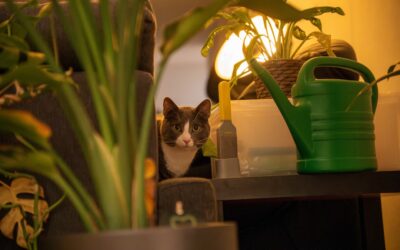
A cat curled in a cardboard box on a 15°F night loses body heat faster than most people expect, and a drafty shelter can be almost as bad as none at all. A well-built heated outdoor cat house fixes that with three things working together: a small, tightly insulated box, dry bedding that holds warm air, and a low-wattage heated pad made specifically for pets. Get those right and the inside of the shelter can sit 20 to 30 degrees warmer than the yard.
Part of our Windows & Doors guide — explore the full guide →
Size matters more than most builders think. Cats warm a shelter with their own body heat, so a box roughly 18 by 24 inches and 18 inches tall is plenty for one or two cats. Go bigger and the heat escapes into empty air. For colonies or households feeding several outdoor cats, a longer box with two doorways works better than one oversized cube, because it gives a second exit and stays easier to heat.
- Planning a Heated Outdoor Cat House That Stays Warm
- Tools and Materials
- Step-by-Step Build
- Electrical and Fire Safety for Heated Shelters
- Non-Electric Warmth Options
- Troubleshooting Common Problems
- Cost Ranges
- When to Call a Pro
- Frequently Asked Questions
- Is a heated outdoor cat house safe to leave plugged in all winter?
- Can I use a heat lamp in a cat shelter?
- What is the best bedding for an outdoor cat bed for winter?
- How big should a shelter for multiple cats be?
- Do outdoor cats need heat if the shelter is insulated?
- Can a solar panel power a heated cat house?
- How much electricity does a heated cat pad use?
- Can you put a heated cat house in a garage or shed?
The heating element is where safety comes first. Use only a heated pad rated for outdoor pet use, with a chew-resistant or steel-wrapped cord, plugged into a GFCI-protected outdoor outlet that has a weatherproof in-use cover. Heat lamps, household heating pads and space heaters do not belong in a cat shelter: they are a genuine fire risk around straw, wood and fur.
Planning a Heated Outdoor Cat House That Stays Warm
Before cutting anything, pick the spot. A good location sits within reach of an existing outdoor outlet, out of the prevailing wind, and on a raised base so snowmelt and rain never pool underneath. Against the house on the leeward side, under a deck overhang, or tucked beside a shed usually works. Face the doorway away from the wind and, ideally, toward a wall a couple of feet away so the opening gets a natural windbreak.
Think about who will use it. A shelter for a single pet cat that comes and goes can be compact with one door. An outdoor heated cat house for multiple cats should have two openings on opposite ends so a timid cat is never trapped by a bossier one. Feral and community cats in particular will skip a shelter that feels like a dead end.
Finally, decide on construction style. Most builders choose one of three approaches:
- Storage tote conversion: a lidded plastic bin lined with rigid foam. Cheap, waterproof and quick to assemble in an afternoon.
- Plywood box: exterior plywood with a sloped, shingled or membrane-covered roof and foam board inside the walls. Lasts many winters and looks tidy near the house.
- Insulated cooler conversion: a large hard cooler already has foam walls; cut a doorway and add a raised base.
Tools and Materials
Gather everything before you start so the build goes in one session. A typical list looks like this:
- Lidded storage tote (roughly 30 to 50 gallons) or 1/2-inch exterior plywood and 2×2 framing
- 1-inch to 2-inch rigid foam board (extruded polystyrene or polyiso)
- Utility knife with fresh blades, straightedge and tape measure
- Jigsaw or rotary tool for the doorway cut
- Exterior construction adhesive or foil tape for securing foam
- A pet-rated outdoor heated pad with a chew-resistant cord
- Clean, dry straw (not hay) for bedding
- Pressure-treated or composite base material, or a few pavers, to lift the house 4 to 6 inches off the ground
- Exterior paint or sealant if building from wood
- A strip of heavy vinyl or a flexible flap for the doorway
Straw is the right bedding because its hollow stems trap air and shed moisture. Blankets, towels and hay soak up humidity from breath and melting snow, then freeze into a cold mat. Many people are surprised by that, but a wet towel is worse than an empty floor.
Step-by-Step Build
- Cut the doorway. Mark a 6-inch wide by 6-inch tall opening about 3 to 4 inches above the floor. The raised threshold keeps bedding inside and blocks ground-level drafts. For two exits, repeat on the opposite end, offset from the first so wind cannot blow straight through.
- Line the walls and floor. Cut foam board to fit snugly against the floor and each wall, leaving the doorway clear. Trim the foam opening to match. A tight fit matters more than thickness; gaps let warm air leak.
- Add an inner ceiling. Cut a foam panel for the underside of the lid so the roof is insulated too. Heat rises, and an uninsulated lid is the single biggest loss in tote shelters.
- Route the cord. Drill a small hole at the back of the house near the floor for the heated pad cord. Run the cord through a short length of protective conduit or flexible split loom so cats cannot reach it, then seal the gap with a dab of exterior caulk.
- Place the heated pad. Lay the pad flat on the foam floor, away from the doorway, following the maker’s directions. Leave some floor unheated so a cat can move off the warmth if it gets too toasty.
- Add straw. Loosely pack a few inches of straw around and beside the pad, never piled thickly on top of it unless the pad instructions allow it. Cats burrow into straw to form a nest.
- Fit a door flap. A clear vinyl flap reduces wind while letting cats see out. Some cats refuse flaps at first; you can tape it open for the first week and lower it once they trust the shelter.
- Raise and secure. Set the house on pavers or a small treated-wood platform. In windy yards, weigh down the lid or strap the box so a gust cannot flip it.
Electrical and Fire Safety for Heated Shelters
Power is the part of a heated outdoor cat house that deserves the most care. Follow these rules every time:
- Use a pet-rated outdoor pad only. Look for a pad listed by a recognized testing lab for outdoor or pet use, with an internal thermostat that keeps the surface near a cat’s body temperature. Low-voltage pads that run through a plug-in transformer (often 12 volts at the pad) add another margin of safety because the part inside the shelter never carries household line voltage. Standard 120-volt pet pads are fine when they are rated for outdoor use and the cord is armored.
- Plug into a GFCI outdoor outlet with an in-use cover. Ground-fault protection shuts off power in a fraction of a second if moisture creates a fault. An in-use (bubble) cover keeps rain and snow off the plug while it is connected. Press the outlet’s test button monthly through the season.
- No extension cords as permanent power. Extension cords left outside all winter crack, get chewed and invite overheating at the connections. If the shelter cannot reach an existing outdoor outlet, move the shelter or have a licensed electrician install a new GFCI outlet. Adding outlets or circuits is not a DIY job.
- No heat lamps, household heating pads or space heaters. Bulbs and heater elements get hot enough to ignite straw, and indoor heating pads are not built for damp conditions or chewing.
- Don’t fold, bunch or bury the pad. Keep it flat and uncovered except as the maker allows. Folding concentrates heat and can damage internal wiring.
- Inspect regularly. Check the cord, plug and pad for chew marks, cracks or scorching every week or two. Replace anything damaged right away.
If you ever need to replace an outlet cover or inspect an outlet box, turn off the breaker first and confirm power is off with a non-contact voltage tester before touching anything. Never test or probe a powered outlet.
Non-Electric Warmth Options
Not every location has power, and some owners prefer a cord-free setup. Microwavable heat discs made for pets hold warmth for several hours and can be swapped each evening. Self-warming mats with a reflective foil layer bounce a cat’s own heat back toward it. Even without any heat source, a small, well-insulated shelter packed with straw keeps cats far warmer than open air. Combine these with a waterproof outdoor cat bed inside a covered porch for a cat that refuses enclosed spaces. An outdoor heated cat bed or a simple waterproof outdoor cat bed can also serve as a backup sleeping spot during deep cold snaps.
Troubleshooting Common Problems
Cats won’t go in
Sprinkle a little catnip near the entrance, place the shelter near the feeding area (but not directly beside the food), and leave the door flap off for a week. New shelters smell unfamiliar; patience usually works.
Bedding is damp or frozen
Raise the shelter higher, add a small overhang above the door, and check that the lid seals. Swap straw out whenever it feels damp or compacted, typically every few weeks.
Pad seems cold
Many pet pads only warm to around body temperature and feel lukewarm to a hand, which is normal. Confirm the GFCI has not tripped, and reset it if needed. A repeatedly tripping GFCI means moisture is getting into the plug or cord; unplug and dry everything, and replace the pad if the problem returns.
Snow blocks the entrance
Turn the doorway away from drifts and add a short wall or a board angled over the opening. Clear snow after storms so cats are never sealed in.
Cost Ranges
A tote-and-foam shelter with straw usually runs in the low tens of dollars, plus the heated pad, which typically costs somewhere between a modest and a moderate amount depending on size and cord armor. A plywood heated outdoor cat house built for several cats lands higher because of framing, roofing and paint, though it lasts years longer. Ready-made insulated shelters with built-in heating fall across a wide range. Budget separately for a licensed electrician if you need a new outdoor GFCI outlet; that is often the largest single expense and worth paying for.
When to Call a Pro
Call a licensed electrician if you have no outdoor outlet within reach, if an existing outlet lacks GFCI protection, if the cover is cracked, or if breakers trip when the pad is plugged in. A pro can add a properly protected exterior receptacle and in-use cover so your heated outdoor cat house runs safely all winter. For a sick, injured or very thin cat, contact a veterinarian or local rescue rather than relying on a shelter alone.
Frequently Asked Questions
Is a heated outdoor cat house safe to leave plugged in all winter?
Yes, when you use a pet-rated outdoor pad with a thermostat and chew-resistant cord, plug it into a GFCI outdoor outlet under an in-use cover, and inspect it every week or two. Never run it on a permanent extension cord.
Can I use a heat lamp in a cat shelter?
No. Heat lamps get hot enough to ignite straw and wood and can burn cats. Use a low-wattage heated pad made for pets or a non-electric heat disc instead.
What is the best bedding for an outdoor cat bed for winter?
Clean, dry straw. It traps air and stays dry. Blankets, towels and hay hold moisture and freeze.
How big should a shelter for multiple cats be?
Plan for about 2 to 3 feet long for two or three cats, with two doorways on opposite ends. Extra size just adds cold air for the cats to warm.
Do outdoor cats need heat if the shelter is insulated?
An insulated, straw-filled shelter helps a lot on its own. Adding a pet-rated heated pad makes a real difference during prolonged freezes and for older or thin cats.
Can a solar panel power a heated cat house?
Not reliably. A small panel produces nothing at night, when cats need heat most, so it would need a sizable battery and charge controller rated for winter use, and short, cloudy days make that hard to sustain. A better solar approach is passive: face the doorway away from the wind, put the shelter in a sunny, sheltered spot, and rely on insulation, straw, or a microwavable heat disc.
How much electricity does a heated cat pad use?
Very little. Most pet-rated outdoor heated pads draw roughly 20 to 60 watts, far less than a light bulb or space heater, so running one through a whole winter month usually adds only a small amount to the power bill. Thermostatic pads cycle off once they reach near body temperature, which lowers use further. Check the wattage on the pad’s label for an exact figure.
Can you put a heated cat house in a garage or shed?
Yes. An unheated garage, shed, or barn blocks wind and snow, so a heated shelter inside works even better. Keep the same safety rules: a pet-rated pad, a GFCI-protected outlet, and no permanent extension cords. Store antifreeze, rodent bait, and chemicals well out of reach, since cats are drawn to sweet-tasting antifreeze and it is highly toxic to them.