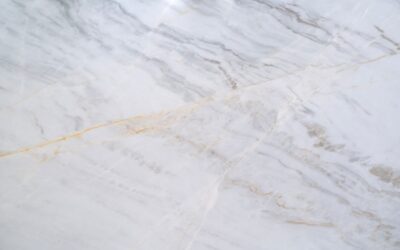
Marble is the surface people fall in love with at the showroom and gasp at when the quote arrives. So how much is marble countertops for a real kitchen? Installed, most homeowners spend between $40 and $200 per square foot, with the typical kitchen project landing in the $2,000 to $7,000 range and high-end stone pushing well beyond that. The spread is wide because “marble” covers everything from a budget-friendly Carrara to a rare imported slab that costs more than the cabinets it sits on. Understanding what drives the number lets you plan a realistic budget and find savings where they exist.
Part of our Countertops guide — explore the full guide →
The Quick Answer: Cost Per Square Foot
Marble pricing is quoted per square foot, and it bundles three things: the raw material, fabrication (cutting, edging, polishing), and installation. As a working range, expect:
- Material only: $40 to $100 per square foot for common marbles, $100 to $200+ for premium and exotic varieties
- Fabrication and installation: typically $35 to $85 per square foot added on top
- Installed total: roughly $60 to $200+ per square foot
For perspective, an average kitchen has about 30 to 55 square feet of countertop. At a mid-range $90 per square foot installed, that is roughly $2,700 to $5,000.
How Marble Type Changes the Price
The single biggest variable is which marble you choose. The differences come down to rarity, country of origin, and how dramatic the veining is.
Carrara Marble
The most common and affordable option, Carrara has a soft white-gray background with feathery gray veins. Material often runs $40 to $75 per square foot. It is the entry point to real marble.
Calacatta Marble
Whiter and rarer than Carrara, with bold, dramatic veining, Calacatta commands $100 to $200+ per square foot for the material alone. It is the look most people picture when they imagine luxury marble.
Statuario and Exotics
Statuario, with its bright white field and striking gray veining, sits at the premium end alongside imported exotics that can exceed $200 per square foot. These are statement slabs, often bought as a single dramatic piece for an island.
What Else Drives the Total Cost
Two kitchens of the same size can have very different quotes. Beyond the stone itself, these factors move the number:
- Slab thickness. Standard is 3 cm (about 1.25 inches). A thinner 2 cm slab costs less but may need a plywood substrate or a built-up edge.
- Edge profile. A basic eased or straight edge is included; ogee, bullnose, or mitered waterfall edges add labor and cost.
- Cutouts. Each sink, cooktop, and faucet hole adds a fabrication charge, often $100 to $300 apiece.
- Layout complexity. L-shaped runs, islands, seams, and backsplashes increase labor.
- Sealing and finish. Honed (matte) and polished finishes can be priced differently, and sealing is usually included but worth confirming.
- Removal and disposal. Tearing out old countertops adds a few hundred dollars if the installer handles it.
Sample Project Estimates
To make the numbers concrete, here are ballpark installed totals for a 40-square-foot kitchen:
- Carrara, basic edge: roughly $60 to $90 per sq ft installed = $2,400 to $3,600
- Calacatta, decorative edge: roughly $130 to $200 per sq ft installed = $5,200 to $8,000
- Exotic single-slab island plus perimeter: easily $8,000 to $15,000+
A small bathroom vanity top, by contrast, often comes in under $600 because it uses so little material.
Marble vs. the Alternatives
Part of answering the cost question is knowing what you are paying a premium for. Granite typically runs $40 to $100 per square foot installed and is harder and more stain-resistant. Quartz, an engineered stone, runs about $50 to $120 installed and needs no sealing. Quartzite, a natural stone with a marble-like look but far better durability, often costs the same as or more than marble. Marble is chosen for its unmatched, soft, luminous appearance, not its toughness; it scratches and etches from acids like lemon and wine more easily than the alternatives.
Ways to Save Without Cheaping Out
You can bring a marble project down to earth with a few smart moves:
- Choose Carrara over Calacatta. The look is similar from across the room at a fraction of the price.
- Use marble only where it counts. Put it on the island or a baking station and use quartz elsewhere.
- Pick a simple edge profile. Eased or straight edges skip the upcharge.
- Buy remnants for small areas. Vanities and bar tops can often be cut from a fabricator’s leftover slabs at a deep discount.
- Get three quotes. Fabrication labor varies widely by shop, and the same slab can differ by thousands.
- Consider a honed finish. It hides etching better than polished, which can save you stress and maintenance long term.
Slab vs. Tile vs. Cultured Marble
The full-slab pricing above is the classic luxury route, but it isn’t the only way to get marble. Marble tile, sold in 12-by-12-inch or larger formats, runs far less, often $5 to $20 per square foot for the tile, and can be installed on a countertop for a fraction of slab cost. The trade-off is grout lines, which break up the seamless look and create spots that can stain. Cultured marble, a manufactured blend of crushed marble and resin, is cheaper still and common on bathroom vanity tops; it resists staining better than natural marble but lacks the depth and one-of-a-kind veining real stone offers. If your heart is set on the genuine marble look but your budget is tight, slab marble on a small island paired with tile or cultured marble elsewhere stretches the dollars while keeping the showpiece authentic.
Don’t Forget Maintenance Costs
Marble is porous, so budget for upkeep. Plan to reseal counters every 6 to 12 months with a stone sealer that costs $15 to $40 a bottle, an easy DIY job. Acidic spills should be wiped immediately to limit etching, and you will want a cutting board and trivets in daily use. These small ongoing costs are minor next to the slab price, but they are part of the true cost of owning marble.
So when someone asks how much is marble countertops, the honest answer is “it depends, mostly on the stone you fall for.” Set your range first, choose a marble type that fits it, control the edge and cutout choices, and gather multiple quotes. Do that, and you can land the timeless marble look without an unwelcome surprise at the bottom of the invoice.