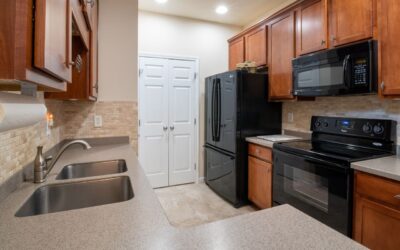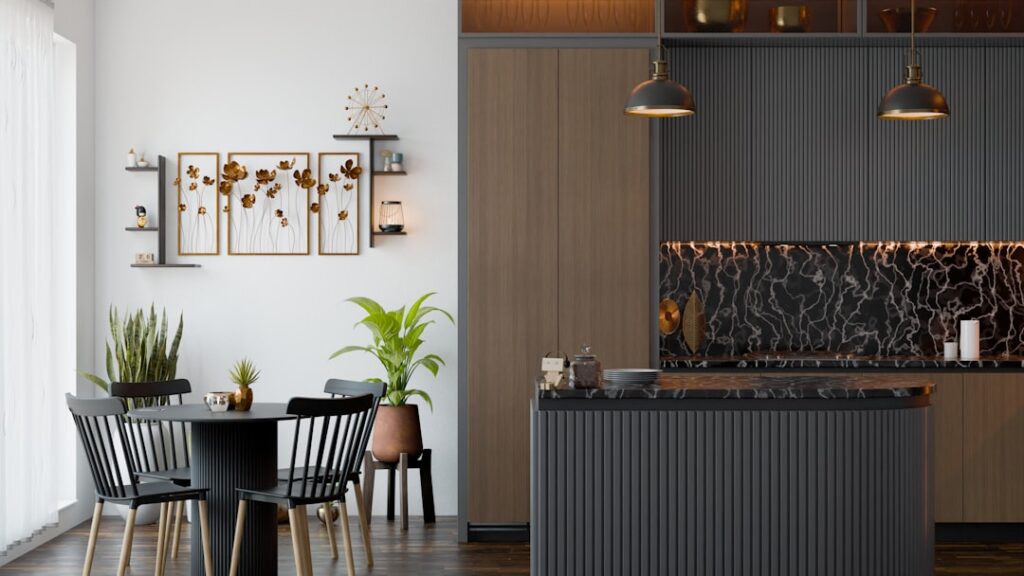
If you want a kitchen that feels custom, precise, and built to last, inset kitchen cabinets are the benchmark most designers reach for. Unlike standard overlay cabinets, the doors and drawer fronts sit flush inside the face frame, creating clean reveal lines and a tailored, furniture-grade appearance. That precision comes at a price, so it helps to understand exactly what you are buying.
Part of our Kitchen Remodeling guide — explore the full guide →
- What Are Inset Cabinets?
- Inset vs. Overlay Cabinets
- Beaded vs. Non-Beaded Inset
- How Much Do Inset Cabinets Cost?
- The Pros of Inset Cabinets
- The Cons to Consider
- Best Wood Species and Finishes
- Hardware and Hinges
- Are Inset Cabinets Worth It?
- Maintenance Tips
- How to Buy Smart
- Understanding Reveal Lines and Tolerances
- Face Frame Construction Details
- Comparing Inset to Frameless (European) Cabinets
- Common Mistakes to Avoid
- Resale and Long-Term Value
- The Bottom Line
What Are Inset Cabinets?
Inset cabinetry means the door or drawer front is set into the opening of the cabinet’s face frame rather than resting on top of it. When closed, the face of the door is flush, or nearly flush, with the surrounding frame. This construction dates back to early American furniture-making, before power tools made overlay doors the cheaper, faster standard. Today inset remains the most demanding style to build correctly.
Inset vs. Overlay Cabinets
Most cabinets fall into three categories. Understanding the differences helps you weigh cost against look:
- Full overlay: Doors cover almost the entire face frame, leaving a small reveal. Modern and seamless.
- Partial overlay: Doors cover part of the frame, exposing more of it. The most budget-friendly option.
- Inset: Doors sit inside the frame, flush with its surface. The most labor-intensive and expensive.
Because inset doors must fit precisely inside their openings, tolerances are tight, often within 1/16 inch. Any warping or seasonal wood movement is immediately visible, which is why quality construction matters more here than anywhere else.
Beaded vs. Non-Beaded Inset
Inset cabinets come in two sub-styles. A beaded inset features a small decorative bead routed around the inside edge of the face frame opening. It reads as more traditional and formal, and it is the more expensive of the two because the beading complicates fitting. A non-beaded or plain inset has a smooth frame edge, giving a cleaner, slightly more transitional or contemporary feel. Shaker doors pair well with either.
How Much Do Inset Cabinets Cost?
Expect inset cabinetry to run roughly 15% to 30% more than comparable full-overlay cabinets. For a typical mid-size kitchen with 25 to 30 linear feet of cabinetry:
- Semi-custom inset: $500 to $900 per linear foot installed
- Custom inset: $900 to $1,500+ per linear foot installed
- A full kitchen: commonly $25,000 to $45,000 or more
Beaded inset, exotic wood species, and premium finishes push costs toward the top of these ranges. Hardware also adds up, since every door and drawer needs a knob or pull because there is no overhang to grip.
The Pros of Inset Cabinets
- Timeless appearance: The look has been desirable for over a century and rarely dates.
- Precision craftsmanship: Flush fronts signal quality and boost resale appeal in higher-end homes.
- Design flexibility: Works in traditional, farmhouse, transitional, and even modern kitchens.
- Exposed or concealed hinges: You can choose visible butt hinges for a classic look or hidden hinges for a cleaner face.
The Cons to Consider
- Higher cost: The single biggest drawback for most buyers.
- Slightly reduced storage: The face frame and inset construction consume a little interior space compared with frameless designs.
- Wood movement sensitivity: In homes with big humidity swings, doors can stick or develop uneven reveals over the seasons.
- Longer lead times: The precision required often means extended manufacturing schedules.
Best Wood Species and Finishes
Stable hardwoods perform best in inset construction because they resist seasonal movement. Maple, cherry, and quarter-sawn white oak are popular choices. Painted finishes are extremely common on inset cabinets, but be aware that paint can chip at the tight door edges where they contact the frame. A durable conversion varnish or catalyzed finish holds up far better than a standard latex.
Hardware and Hinges
Because inset doors sit flush, every one needs a pull or knob to open it. This makes hardware a defining design element rather than an afterthought. You have two hinge routes:
- Exposed butt hinges: Traditional, often in polished nickel, brass, or oil-rubbed bronze, mounted on the face frame for a classic look.
- Concealed European hinges: Hidden inside, giving a cleaner appearance and usually including soft-close.
Budget for quality hardware; on inset kitchens, it is genuinely functional, not decorative.
Are Inset Cabinets Worth It?
Inset makes the most sense when you are investing in a long-term kitchen, value craftsmanship, and want a look that will not feel dated in ten years. If budget is your primary constraint or you want maximum storage per dollar, full-overlay Shaker cabinets deliver a similar clean aesthetic for less. In higher-end homes, though, inset can support resale value and buyer perception.
Maintenance Tips
Keep humidity relatively stable, ideally between 35% and 55%, to minimize wood movement. Wipe spills promptly, avoid harsh abrasives on painted finishes, and periodically check hinge adjustment. High-quality concealed hinges allow micro-adjustments in three directions, which is essential for keeping the tight inset reveals even over time.
How to Buy Smart
- Request door samples to compare beaded vs. non-beaded in person.
- Ask the cabinetmaker about their finish system and warranty against chipping.
- Confirm hinge type and soft-close inclusion.
- Get the reveal tolerance in writing for custom work.
- Compare at least two semi-custom and one custom quote.
Understanding Reveal Lines and Tolerances
The signature look of inset cabinetry comes from its reveal, the small, even gap between the door edge and the face frame. Quality work holds this reveal at a consistent 1/16 to 3/32 inch all the way around every door and drawer. Achieving that precision is why inset costs more: the cabinetmaker must account for the finish thickness (paint adds material to the edges), seasonal wood movement, and hinge adjustment. When you evaluate samples, sight down a row of doors; the reveal lines should be crisp and uniform, not wandering wider at the top than the bottom. Inconsistent reveals are the clearest sign of a lower-quality inset job.
Face Frame Construction Details
Inset cabinets rely entirely on the strength and squareness of the face frame, typically built from 3/4-inch solid hardwood stiles and rails that are 1.5 to 2 inches wide. Because the door fits inside the opening, the frame must be perfectly square and stay that way. Better shops use mortise-and-tenon or heavy dowel joinery at the frame corners rather than pocket screws alone, since a racked frame throws off every reveal. Ask whether the boxes behind the frames are 3/4-inch plywood, which resists the seasonal swelling that can bind inset doors, as opposed to particleboard.
Comparing Inset to Frameless (European) Cabinets
Homeowners chasing a clean look sometimes weigh inset against frameless cabinets. Frameless (also called European or full-access) cabinets have no face frame at all; doors mount directly to the box sides, maximizing interior access and drawer width. They read as sleek and modern but lack the traditional flush-front character of inset. Inset, by contrast, always has a visible face frame and the flush door detail. If you want maximum storage and a contemporary feel, frameless wins; if you want classic craftsmanship and a furniture-grade look, inset is the choice. The two represent opposite construction philosophies at similar premium price points.
Common Mistakes to Avoid
- Choosing inset for a high-humidity home without climate control: Wide seasonal swings cause sticking doors and shifting reveals.
- Skimping on the finish: A cheap latex paint chips at the tight edges where doors rub the frame; insist on a catalyzed or conversion finish.
- Underestimating hardware needs: Every door and drawer needs a pull, and premium hardware for a full kitchen can add $500 to $1,500.
- Ignoring lead times: Custom inset can take 8 to 12 weeks or more, so order early in a remodel.
Resale and Long-Term Value
In mid-to-upper-tier homes, inset cabinetry signals quality to buyers and appraisers, supporting resale value in a way that builder-grade overlay cabinets do not. Because the style has remained desirable for over a century, an inset kitchen is unlikely to look dated a decade later, unlike trend-driven finishes. That durability of appeal matters if you plan to stay ten years or more, since you avoid the cost of remodeling again to keep up with changing tastes. In starter homes or rentals, though, the premium rarely pays back, and overlay cabinets are the smarter financial choice.
The Bottom Line
Choosing inset kitchen cabinets is a decision to prioritize craftsmanship and enduring style over lowest cost. When built from stable hardwoods with a durable finish and quality hinges, they deliver a tailored, furniture-grade kitchen that holds its appeal and value for decades. Weigh the premium against your budget and how long you plan to stay, and you will know whether inset is the right fit.