Insulated cellular shades, also called honeycomb shades, are among the most energy-efficient window treatments you can buy. Their distinctive pleated pockets trap air to slow heat transfer, cutting both winter heat loss and summer heat gain. This guide explains how they work, how to compare R-values, and how to choose and install the right shades.
- How Cellular Shades Insulate
- Single Cell vs Double Cell
- Understanding R-Value
- Energy and Cost Savings
- Opacity Options
- Side Tracks and Sealed Edges
- Cordless and Motorized Options
- How to Measure for Cellular Shades
- Installation Steps
- Best Rooms for Cellular Shades
- Common Mistakes to Avoid
- Top-Down Bottom-Up Operation
- Summer vs Winter Strategy
- Choosing Colors for Efficiency
- Warranty and Longevity
- Care and Maintenance
- Final Thoughts
How Cellular Shades Insulate
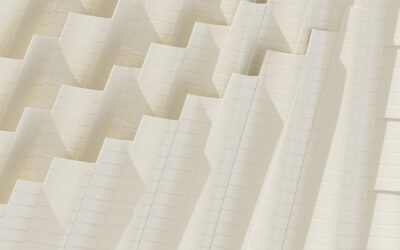
Cellular shades get their name from the honeycomb-shaped air pockets, or cells, that run horizontally across the fabric when viewed from the side. Those pockets trap a layer of still air between your room and the cold or hot glass. Because trapped air is a poor conductor of heat, it acts like insulation, reducing the amount of energy that escapes through your windows.
Windows are one of the biggest sources of energy loss in a home, responsible for a large share of heating and cooling costs. Adding an insulating layer at the glass directly attacks that weak spot.
Single Cell vs Double Cell
The two main constructions are single cell and double cell. Single-cell shades have one row of pockets and offer solid insulation at a lower price. Double-cell shades stack two smaller rows of pockets, creating two air chambers for greater insulating value. In cold climates or on large, drafty windows, double-cell shades noticeably outperform single-cell versions.
- Single cell: good insulation, lower cost, works for mild climates and standard windows.
- Double cell: highest insulation, best for extreme climates and energy-focused homes.
- Larger cell sizes generally trap more air and insulate slightly better than tiny cells.
Understanding R-Value
R-value measures resistance to heat flow, and higher is better. A bare double-pane window has an R-value of roughly 2. Adding cellular shades can raise the effective R-value of the window opening to between about 3 and 5 depending on construction, with double-cell and side-tracked systems reaching the top of that range. That improvement translates into real reductions in heating and cooling runtime.
Energy and Cost Savings
The Department of Energy recognizes cellular shades as one of the most effective window coverings for energy savings. In winter, they can reduce heat loss through windows by around 40 percent or more, and in summer they cut solar heat gain significantly. For an average home, that can translate into meaningful savings on annual heating and cooling bills, with the shades paying for themselves over several years.
Opacity Options
Cellular shades come in the same range of light control as other shades, so you do not sacrifice function for efficiency.
- Sheer: maximum light and soft privacy.
- Light-filtering: a bright, glowing diffusion with daytime privacy.
- Room-darkening: blocks most light for bedrooms.
- Blackout: the darkest option, often with a reflective liner that also boosts insulation.
Blackout cellular shades pull double duty, delivering both the darkest room and the strongest thermal barrier thanks to the added liner.
Side Tracks and Sealed Edges
Standard cellular shades leave small gaps at the sides where air can sneak past. Adding side tracks or channels seals those edges, dramatically improving both light blocking and insulation. For the most energy-efficient setup, especially in a home theater or a very cold climate, side-track systems are worth the extra cost.
Cordless and Motorized Options
Like other modern shades, cellular shades come in corded, cordless, and motorized versions. Cordless designs are safer for homes with children and pets and give a cleaner look. Motorized shades let you schedule them to close during the hottest part of the day automatically, maximizing energy savings without you lifting a finger. Top-down bottom-up designs let you lower the top for light while keeping the bottom closed for privacy.
How to Measure for Cellular Shades
- Choose inside mount for a clean recessed look or outside mount for maximum coverage and insulation.
- For inside mount, measure width at the top, middle, and bottom and use the smallest.
- Measure height at left, center, and right and use the largest.
- For outside mount, add a few inches of overlap on all sides to seal against drafts.
- Round measurements to the nearest eighth inch and label width and height clearly.
Outside mounting or side tracks give the best thermal seal because they minimize the air gap around the edges of the shade.
Installation Steps
- Hold the mounting brackets in position and mark the screw holes with a pencil.
- Drill pilot holes and insert anchors if you are not screwing into a stud or the frame.
- Secure the brackets firmly and check them with a level.
- Clip the shade headrail into the brackets until it snaps into place.
- Attach any side tracks and test the shade through its full range of motion.
Most cellular shades install in 15 to 30 minutes per window with just a drill, a level, and a screwdriver.
Best Rooms for Cellular Shades
Because they insulate so well, cellular shades shine on the windows that lose the most energy: large picture windows, north-facing rooms that stay cold, and west-facing rooms that overheat in the afternoon. Bedrooms benefit from blackout cellular shades that darken the room and hold temperature. They are also popular in sunrooms and nurseries where comfort matters most.
Common Mistakes to Avoid
- Choosing single-cell shades for an extreme climate that needs double-cell insulation.
- Skipping side tracks when maximum efficiency or darkness is the goal.
- Measuring only once instead of in three places for a proper fit.
- Selecting inside mount when an outside mount would seal drafts better.
- Overlooking cordless options in a home with young children.
Top-Down Bottom-Up Operation
A popular feature on insulated cellular shades is top-down bottom-up operation, which lets the shade move from either end. You can lower the top rail to let daylight in through the upper portion while keeping the lower half closed for privacy. This is ideal for street-facing windows where you want light without exposing the room to passersby. It also lets you insulate the coldest part of the window, the glass, while still enjoying a view, giving you flexible control that a standard shade cannot match.
Summer vs Winter Strategy
To maximize energy savings, use your shades strategically with the seasons. In winter, keep them open on sunny south-facing windows during the day to capture free solar heat, then close them at night to trap warmth. In summer, close them during the hottest afternoon hours on sun-facing windows to block solar heat gain, and open them in the cool evening. Motorized shades can automate this schedule, closing at midday in summer and opening for winter sun without any effort on your part.
Choosing Colors for Efficiency
Fabric color affects both light and heat performance. Lighter colors reflect more sunlight and heat, which helps keep rooms cooler in summer, while the fabric still insulates against cold in winter. White or light-backed shades are especially effective at reflecting solar heat, and many cellular shades have a neutral or white exterior facing regardless of the room-side color, which also gives your home a uniform look from the street. If summer cooling is your priority, lean toward lighter shades on sun-exposed windows.
Warranty and Longevity
Quality insulated cellular shades are built to last many years, and reputable brands back them with warranties covering the fabric and operating mechanisms, often for the life of the product under normal use. The honeycomb structure holds its shape well when cared for properly, and cordless and motorized mechanisms are designed for tens of thousands of cycles. Keep your purchase records, and register the shades if the manufacturer offers it, so any warranty claim goes smoothly. Well-made shades routinely last a decade or more.
Care and Maintenance
Cellular fabrics attract dust in their pockets, so vacuum them gently with a brush attachment every few weeks. For deeper cleaning, use a hair dryer on a cool setting to blow dust out of the cells, or spot-clean stains with a lightly dampened cloth. Avoid soaking the fabric, which can distort the delicate pleats.
Final Thoughts
Insulated cellular shades combine attractive looks with genuine energy performance, making them one of the smartest window-treatment upgrades for comfort and lower bills. Choose double-cell construction for the coldest climates, add side tracks for the best seal, and match the opacity to each room. With careful measuring and a simple install, these honeycomb shades pay you back season after season.