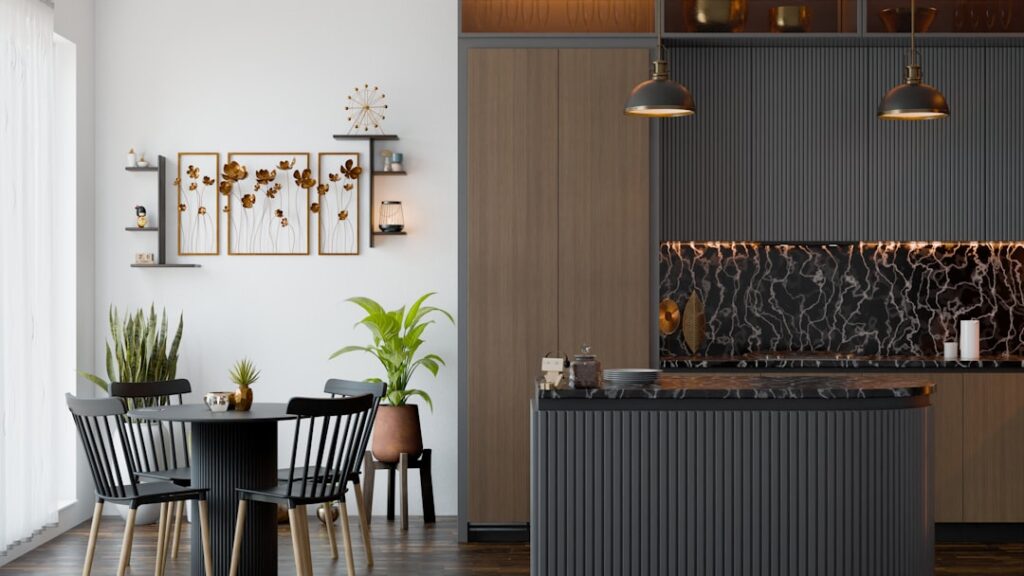
Italian kitchen cabinets sit at the top of the design world for a reason, and after years of specifying and installing high-end kitchens I still get the same question from homeowners: what exactly am I paying for? The honest answer is that Italian kitchen cabinets combine engineering precision, seamless handleless design, and finishes that most American manufacturers simply cannot match at scale. This guide breaks down the brands, the construction, the finishes, and the price ranges so you can decide whether the premium is worth it for your kitchen.
Part of our Kitchen Remodeling guide — explore the full guide →
The Brands That Define the Category
A handful of Italian houses set the standard, and each has a personality worth knowing before you walk into a showroom.
- Scavolini — the largest and most accessible. Founded in Pesaro in 1961, it offers everything from sleek handleless lines to warmer, more traditional collections. Prices are the most reachable of the premium Italian names.
- Snaidero — known for sculptural, curved designs and collaborations with architects like Pininfarina. This is the brand for a statement kitchen with flowing lines rather than hard rectangles.
- Pedini — minimalist to the core. Clean slab fronts, innovative materials, and a strong lean toward handleless, architectural kitchens. A favorite among modern designers.
- Poliform, Boffi, and Valcucine — the ultra-premium tier. Boffi and Valcucine in particular push materials and sustainability; expect the highest prices in the room.
Handleless Slab: The Signature Look
If one detail says Italian, it is the handleless slab door. Instead of knobs or pulls, these cabinets open with one of two systems. The first is a routed finger channel, a J-shaped groove along the top edge of the door that your fingers hook into. The second is a push-to-open mechanism with a spring latch that pops the door with a light press.
The result is an uninterrupted plane of cabinetry, no hardware to catch a sleeve or collect grease. It is a clean, architectural look, but it demands precision. The reveal gaps between doors are often a consistent 3 to 4 millimeters across the entire run, and that tolerance is exactly what you are paying an Italian factory to deliver.
Frameless Construction, Explained
Nearly all Italian cabinets are frameless, also called full-access or European construction. Instead of a face frame glued to the front of the box, the door mounts directly to the cabinet sides. That gives you a wider opening, full access to the interior, and the tight, gap-free front that defines the style.
The boxes are typically built from thick engineered panels, often 18-millimeter, with concealed soft-close hinges and full-extension drawer runners from Blum or Salice rated for around 75 to 100 pounds. The hardware inside is as much of the quality story as the finish outside. Drawers glide silently, doors close without a sound, and adjustments hold for years.
Lacquer, Veneer and Beyond
Finish is where the money shows. Italian factories offer a depth of finish options that is hard to find elsewhere.
- Lacquer — the hallmark finish. Multiple sprayed and cured coats produce a flawless matte or high-gloss surface. Gloss lacquer reflects like glass; matte lacquer is soft and fingerprint-resistant. Both are hand-polished between coats.
- Wood veneer — real wood sliced thin and sequence-matched across doors so the grain flows continuously down a run of cabinets. Oak, walnut, and elm are common.
- Melamine and laminate — modern textured laminates that mimic stone, concrete, or fabric, and resist scratches better than lacquer. A smart choice for busy kitchens.
- Glass, metal, and stone fronts — the top brands offer back-painted glass and thin porcelain fronts for a truly custom statement.
The Ordering and Lead-Time Reality
Buying Italian is not like grabbing stock cabinets off a shelf. Nearly everything is made to order in Italy, so plan on a lead time of roughly 10 to 16 weeks from the day you sign off on the final design and finishes. Rush that timeline and you invite mistakes. The design phase alone, working with a dealer’s designer to lay out every cabinet, appliance panel, and internal organizer, often takes several weeks of back-and-forth.
Order early and order once. Change orders after the factory run has started are expensive and can reset the clock. A good dealer will produce a detailed shop drawing and a full elevation before anything ships, and you should review every dimension against your actual room. Measure the delivery path too. These cabinets arrive in large crates, and a fourth-floor walk-up with a tight stairwell can turn delivery into its own project.
Why the Premium Is Real
Homeowners often ask whether they are paying for a name. Some of it is brand, but most of it is genuine. The reveal tolerances, the sequence-matched veneers, the multi-coat lacquer, and the integrated hardware all take real labor and machinery. These kitchens are also engineered as systems, meaning the internal organizers, lighting channels, and appliance panels are designed to fit together precisely rather than cobbled from separate lines.
Durability follows. A properly maintained lacquer or veneer kitchen looks current for 20 years, and the frameless boxes and Blum hardware outlast most of what is installed in mid-market American homes. You are buying longevity and a look that photographs like a magazine spread.
What Italian Cabinets Actually Cost
Here is the part everyone wants and few showrooms state plainly. Prices vary with finish, size, and dealer, but these ranges are realistic for a full kitchen in the United States, cabinets only, before appliances and stone.
- Scavolini — roughly $30,000 to $70,000 for a typical kitchen, depending on finish and size. The entry point to real Italian cabinetry.
- Pedini — around $40,000 to $90,000, with handleless lacquer runs at the higher end.
- Snaidero — approximately $45,000 to $100,000, more for curved signature collections.
- Boffi and Valcucine — $80,000 to well past $150,000 for a full kitchen.
Add installation, which is specialized work. Frameless European cabinets demand level floors and precise walls, so budget for an installer who has handled the brand before. A botched install erases the tolerances you paid for.
Caring for the Finish
These kitchens reward a little discipline. Matte lacquer and textured laminate are forgiving and clean up with a soft cloth and mild soap. High-gloss lacquer is the diva of the group: it shows every fingerprint and smudge, and abrasive cleaners or gritty sponges leave micro-scratches that catch the light forever. Use only a microfiber cloth and a dedicated gloss cleaner on those surfaces.
Real wood veneer needs protection from direct sun, which fades and ambers the finish unevenly over years, and from the steam of a nearby dishwasher or kettle. Keep a cabinet-safe wood conditioner on hand and wipe up water at the toe kick and around the sink run. Handleless doors deserve a mention here too: because you touch the door edge to open it rather than a knob, the top rail collects oils, so wipe that channel down regularly to keep the finish pristine.
Is It Right for Your Home?
These kitchens make the most sense in a modern or transitional home where the clean lines will be appreciated and where the investment tracks with the property’s value. If your style leans traditional or your budget is tighter, a well-built frameless line from a European-influenced American maker can echo the look for a fraction of the cost.
Consider resale as part of the math. In a high-value home, a designer Italian kitchen supports the asking price and photographs beautifully for a listing. In a modest home, you may never recover the spend, and a mid-market European-style line is the wiser investment. Match the kitchen to the house, not just to your Pinterest board.
It is also worth choosing your dealer as carefully as your brand. These are authorized-showroom products, and the designer, the measurer, and the installer behind the sale matter enormously. Ask to see completed local projects, confirm the showroom stocks replacement parts and hinges, and get the warranty terms in writing. A great brand installed by an inexperienced crew disappoints; a great dealer makes even a mid-tier line sing.
But if you want the genuine article, Italian kitchen cabinets deliver a level of finish, engineering, and longevity that justifies the premium. Visit a showroom, run your hand along a handleless door, open a soft-close drawer, and you will feel exactly where the money went.