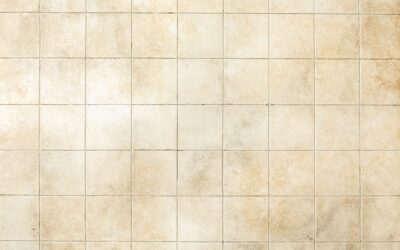
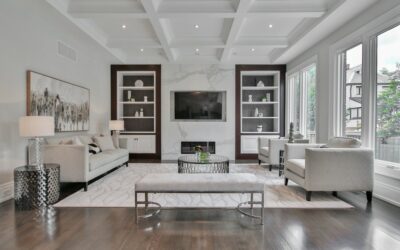
Bright white floors photograph beautifully on Instagram, but most homeowners discover within a month that pure white shows every crumb and footprint. Ivory flooring sits in the warmer middle ground, holding onto the airy, expansive feel of white while hiding dust, pet hair, and light scuffs that would otherwise demand a daily Swiffer. The right shade also pairs better with warm wood furniture and brass hardware than a cold gray.
What Counts as Ivory
Ivory falls between pure white and warm beige on the color wheel, with subtle yellow or cream undertones. Paint companies like Benjamin Moore call it “Navajo White” or “Linen White.” In flooring, manufacturers use names like Champagne Oak, Coastal Sand, or simply Ivory.
The distinguishing feature is undertone. True ivory has a yellow-cream warmth, while greige skews gray. Hold a sample against a sheet of printer paper in natural light: ivory looks slightly yellow, greige looks slightly gray, and bone or cream lands somewhere between.
Hardwood in Ivory Tones
White oak takes ivory stains better than red oak because its grain holds pigment evenly without the pinkish bleed-through. Bona’s Nordic Seal and Rubio Monocoat’s Pure or Cotton White produce a soft ivory finish that doesn’t yellow over time the way old-school oil-based polys did.
Pre-finished options from Mirage, Mohawk, and Mannington include ivory and bone collections at $6 to $11 per square foot. Look for engineered planks with a 3-mm or thicker wear layer if you want the option to sand and refinish later. Solid 3/4-inch white oak runs $5 to $9 per square foot unfinished plus $3 to $4 per square foot for site finishing.
Luxury Vinyl Plank in Ivory
LVP delivers ivory looks without the maintenance of real wood. COREtec, Karndean, and Shaw Floorte all offer warm white wood visuals with 12 to 22 mil wear layers. The premium 20-mil and 22-mil products handle commercial traffic and resist scuffing in entryways far better than 6-mil builder-grade planks.
Budget-friendly LVP in ivory tones runs $2.50 to $4 per square foot at home centers. Mid-tier products from major brands land at $4 to $6, and designer collections with realistic embossed-in-register grain push past $7. Click-lock floating installs work on most subfloors above 60 percent humidity.
Ivory Tile and Stone
Porcelain tile in ivory colorways covers everything from polished marble lookalikes to honed limestone reproductions. For wet areas, target a DCOF rating of 0.42 or higher for slip resistance under ANSI A137.1 standards. Daltile, Marazzi, and Florida Tile all publish DCOF on every product spec sheet.
Real ivory marble like Crema Marfil or Botticino runs $9 to $20 per square foot for the tile alone, plus $7 to $15 installed. Porcelain that mimics these stones costs roughly half as much and resists etching from acidic spills, which is a real problem with natural stone in kitchens.
Carpet in Ivory Shades
Ivory carpet works in bedrooms and formal living rooms but fails fast in family rooms with kids or pets. If you must have it in a high-traffic area, choose a solution-dyed nylon from Shaw Caress or Mohawk SmartStrand Silk. Solution-dyed fibers carry pigment through the entire fiber, which means bleach won’t pull the color out the way it does with topically dyed yarns.
Expect $4 to $9 per square foot installed for nylon and $3 to $6 for solution-dyed polyester. Berber loops show traffic patterns less than plush cut piles in pale colors.
The Yellowing Problem
Old oil-based polyurethane finishes amber significantly within two to three years, turning a crisp ivory into a deeper honey. Modern water-based finishes like Bona Traffic HD and Loba 2K Supra stay clear for the life of the floor. Always specify water-based for any white or ivory site-finished hardwood.
UV exposure also drives yellowing in vinyl and tile grout. South-facing rooms with floor-to-ceiling windows can show fading in three to five years. UV-stabilized vinyl from major brands resists this; cheap import LVP often doesn’t.
Maintenance Reality
Ivory shows red wine, mustard, and shoe polish more than darker floors. Keep a microfiber cloth and a pH-neutral cleaner like Bona Hardwood Floor Cleaner within reach. For tile grout, sealed cementitious grout in a matching ivory or warm gray hides stains better than pure white grout, which discolors within six months of use.
Plan on cleaning visible foot-traffic lanes twice as often as you would with mid-toned floors. Walk-off mats at every exterior door cut tracked dirt by an estimated 80 percent and are the single most effective investment you can make.
Pairing Ivory Floors with Your Palette
Warm ivory floors pair beautifully with brass or aged-bronze hardware, white oak furniture, and creamy off-white walls. Cool grays and stark whites can clash, making the floor look dirty by comparison. If you have existing cool-toned trim or cabinetry, lean toward a more neutral bone color rather than true ivory to bridge the temperature gap.
Resale Value of Ivory Floors
Real estate agents in major metros report that warm whites and light neutrals consistently appeal to the broadest buyer pool. Bright ivory floors photograph well in MLS listings and read as airy in smaller spaces. The risk is that buyers see an ivory floor as a maintenance commitment, especially if they have young children or large dogs.
For investment properties or homes you plan to sell within five years, mid-tone wood-look LVP outperforms ivory on broad appeal. For long-term primary residences where you’ll do the maintenance yourself, ivory delivers a designer aesthetic that holds up over time as long as you commit to entry mats and quick cleanups.
Lifespan and Refinishing
Ivory hardwood with a quality water-based finish lasts 8 to 12 years before showing visible wear in main traffic lanes. Refinishing demands extra care since any sanding into a darker stained area underneath will create blotchy spots that take multiple bleach passes to even out.
Ivory LVP with a 20-mil or 22-mil wear layer runs 15 to 25 years residential. Tile and stone in ivory tones can last the life of the home if the grout is maintained. Plan a deep grout cleaning and re-sealing every three to five years to prevent the gradual darkening that makes ivory tile look tired before it’s actually worn.
Prefer to explore on your own?
See how new flooring looks in your actual room in seconds — free, no signup.
Try the free Floor Studio →