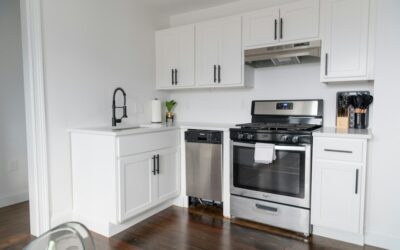
Cabinets typically eat up 30 to 40 percent of a kitchen remodel budget, which makes them the single biggest decision you will make in the room. The range of kitchen cabinet options is vast, spanning how they are built, how they are constructed, what they are made of, and how they are configured, and each choice shifts both the look and the price dramatically. Understanding the categories before you shop keeps you from overspending on features you do not need or under-buying quality you will regret.
Part of our Kitchen Remodeling guide — explore the full guide →
Construction Level: Stock, Semi-Custom, and Custom
The first fork in the road is how the cabinets are manufactured, which sets your baseline cost and flexibility.
- Stock cabinets: pre-made in fixed sizes, usually 3-inch width increments. The most affordable at roughly $60 to $200 per linear foot, available immediately, but limited in size and finish.
- Semi-custom cabinets: built to order from a set catalog with more sizes, finishes, and modifications. A middle ground at about $150 to $650 per linear foot.
- Custom cabinets: made from scratch to your exact specifications with unlimited options. The most expensive at $500 to $1,200 or more per linear foot, with the longest lead times.
Most homeowners land in semi-custom because it balances choice against cost. Stock works well for tight budgets and standard layouts, while custom earns its price only in unusual spaces or high-end builds.
Framed Versus Frameless
This construction difference affects both looks and usable space, and it divides American and European cabinet traditions.
Framed cabinets
A face frame, a border of wood, is attached to the front of the box. Doors mount to this frame. Framed cabinets are the traditional American style, sturdy and forgiving of slightly out-of-square walls, but the frame slightly narrows the opening.
Frameless cabinets
Also called European or full-access, these skip the face frame so doors attach directly to the box. The result is wider openings, easier access, and a sleek modern look, at the cost of needing more precise installation. For maximizing storage in a small kitchen, frameless has a real edge.
Door Styles That Set the Mood
The door front is what everyone sees, and it defines whether your kitchen reads traditional, transitional, or modern.
- Shaker: a five-piece door with a recessed center panel. The most popular style because it suits nearly every decor.
- Flat or slab: a single smooth panel, clean and contemporary, easy to wipe down.
- Raised panel: a center panel that projects outward, formal and traditional.
- Beadboard: vertical grooves for a cottage or farmhouse feel.
- Glass front: framed glass panels to display dishware and lighten upper cabinets.
Material and Finish Choices
What the box and doors are made from determines durability, moisture resistance, and price.
- Solid wood: classic and repairable, ideal for stained finishes, but it expands and contracts with humidity.
- Plywood: strong, stable, and moisture-resistant, the preferred box material for quality cabinets.
- MDF: smooth and stable, the best substrate for painted doors because it will not show grain or joint lines.
- Particleboard: the budget option, acceptable for boxes but vulnerable to water damage.
- Thermofoil and laminate: a vinyl or plastic layer over a substrate, easy to clean and affordable.
For painted cabinets, MDF doors resist cracking at the joints far better than solid wood. For a natural wood-grain look, solid wood or wood veneer is the way to go.
Storage Configurations Worth Considering
Modern cabinet interiors do far more than hold plates on a shelf. The right internal options transform how a kitchen functions day to day.
- Deep drawers for pots and pans instead of low doors you have to crouch into.
- Pull-out pantries that bring the whole contents to you.
- Lazy Susans and corner pull-outs that rescue dead corner space.
- Trash and recycling pull-outs that hide bins behind a door.
- Drawer dividers and pull-out spice racks that keep the interior organized.
These upgrades add cost per cabinet but pay for themselves in daily convenience, so prioritize them where you cook and prep most.
Ready-to-Assemble as a Budget Path
Ready-to-assemble, or RTA, cabinets ship flat and you build them yourself. They cut cost significantly because you provide the assembly labor, and quality has improved to the point that good RTA lines rival mid-grade stock cabinets. If you are handy and patient, RTA can save 30 to 50 percent over pre-assembled equivalents. The trade-off is your weekend and the need for basic tools and careful work.
Matching Options to Your Budget and Goals
The smart approach is to spend where it counts and save where it does not. Put your money into quality plywood boxes, solid drawer glides with soft-close, and the interior storage you will use daily. Save on ultra-premium door styles or exotic finishes if the budget is tight, since a simple Shaker door in a paintable material looks timeless and costs less than ornate profiles.
- Tight budget: stock or RTA, framed, Shaker doors, plywood boxes where affordable.
- Mid-range: semi-custom, your choice of framed or frameless, upgraded storage inserts.
- High-end: custom, frameless full-access, premium finishes and specialty organizers.
Making the Final Decision
Start with your layout and budget, then work through the choices in order: construction level, framed or frameless, door style, material, and interior storage. The best kitchen cabinet options are the ones that fit how you actually cook and live, not the flashiest catalog page. Nail the boxes, the glides, and the storage, and even a modestly priced kitchen will feel solid and function beautifully for decades.