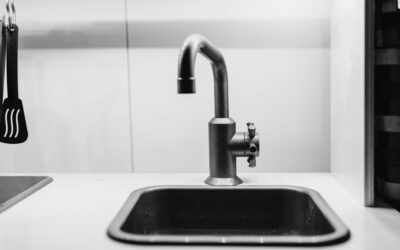
The kitchen faucet gets used more than any other fixture in the house, often dozens of times a day, yet people pick one based on looks alone and regret it within a month. The range of kitchen faucet styles goes far beyond chrome versus stainless; it covers spray functions, mounting types, handle layouts, and smart features that genuinely change how you work at the sink. Choosing well means matching the faucet to your cooking habits, not just your countertop color.
Part of our Kitchen Remodeling guide — explore the full guide →
This guide covers the major styles, finishes, and features so you can buy once and buy right. Expect real price ranges and the practical trade-offs that showroom displays never mention.
Pull-Down and Pull-Out Faucets
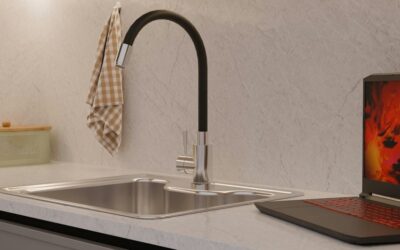
The most popular modern style is the pull-down, with a high-arc spout and a spray head that pulls straight down into the basin. The tall gooseneck clears stockpots and gives plenty of room to rinse a sheet pan. Most pull-downs offer a toggle between a steady stream and a sprayer, and many add a pause button on the head.
Pull-out faucets have a lower profile and a spray wand that extends outward toward you, which suits shallow sinks and tight spaces under wall cabinets or windows. Both styles run roughly $80 to $400 depending on brand and finish, with Moen, Delta, and Kohler dominating the mid-range.
Single-Handle Versus Two-Handle
Handle configuration affects daily ease of use. A single-handle faucet controls both temperature and flow with one lever, so you can adjust the water with a wrist or forearm when your hands are full or messy. It is the practical favorite in busy kitchens.
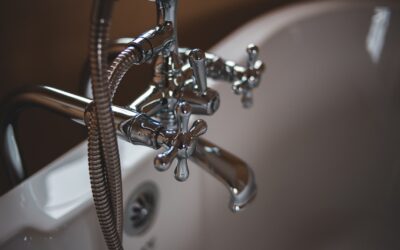
Two-handle faucets, with separate hot and cold controls, lean traditional and offer fine temperature tuning. They suit classic and farmhouse kitchens and pair naturally with bridge-style spouts. The trade-off is two handles to clean and operate instead of one.
Commercial and Industrial Styles
Borrowed from restaurant kitchens, the commercial-style faucet features a tall, coiled spring spout with an exposed pull-down sprayer. It makes a bold statement and delivers powerful rinsing for serious home cooks. These models usually demand 27 inches or more of vertical clearance, so confirm your window or upper cabinets allow the height.
Industrial faucets often cost more, from $200 to $600, and weigh enough that they need a sturdy deck or mount. If you love the professional look and cook heavily, the performance justifies the price; for a light-use kitchen, it may be overkill.
Pot Fillers and Bar Faucets
Not every faucet lives at the main sink. A pot filler mounts on the wall behind the cooktop on an articulated arm, letting you fill heavy stockpots where they sit on the burner instead of hauling them from the sink. It is a luxury touch that requires running a dedicated cold-water line during a remodel.
Bar and prep faucets are smaller versions for secondary sinks in islands or wet bars. They mirror the main faucet’s finish and style at a reduced scale, tying the kitchen together. Plan these into the plumbing early, since adding them later means opening walls.
Choosing the Right Finish
Finish drives both looks and maintenance. The common options each behave differently:
- Stainless and brushed nickel: hide water spots and fingerprints, match most appliances, the safe default.
- Chrome: bright and budget-friendly, but shows every smudge.
- Matte black: striking and modern, though it can show hard-water film and dried droplets.
- Brushed gold and bronze: warm and on-trend, best in a coordinated metal palette.
For homes with hard water, a spot-resist or brushed finish saves you constant wiping. Match the faucet finish to your cabinet hardware and lighting rather than chasing a single trendy color.
Mounting and Hole Configuration
Before buying, count the holes in your sink or countertop. A faucet may need one, two, three, or four holes depending on whether it includes a separate sprayer, soap dispenser, or handles. A single-hole faucet on a three-hole sink uses a deck plate, or escutcheon, to cover the extras.
Wall-mounted faucets create a clean, easy-to-clean look but require in-wall plumbing, so they are a remodel decision, not a swap. Most homeowners stick with deck-mounted models that drop into existing holes for a straightforward upgrade.
Smart and Touchless Features
Touchless and touch-activated faucets have moved from novelty to mainstream. A wave or a tap of the wrist turns the water on, which keeps the faucet cleaner when your hands are covered in raw chicken or flour. Voice-enabled models can dispense a measured amount of water on command.
These features add $100 to $300 over a comparable manual faucet and require batteries or a transformer for power. They are genuinely useful for hygiene and accessibility, but make sure replacement batteries and parts are easy to source for the brand you choose.
Matching the Faucet to Your Sink and Habits
The smartest move when comparing kitchen faucet styles is to start with how you actually cook. Fill big pots often? Choose a high-arc pull-down. Work under a low window? A pull-out or low-profile model fits better. Have a deep single-basin sink? A taller spout keeps splashing down.
Also check the spout reach so water lands in the center of the drain, not against the back wall or off the front edge. A faucet that looks perfect but sprays the counter every time is a daily frustration no finish can fix.
Final Takeaway
Pick the faucet that matches your sink depth, your counter holes, and your cooking style first, then choose the finish that ties the room together. Spend a little more for a solid-brass body and a reputable brand with available parts, and a good faucet will serve reliably for a decade or more.