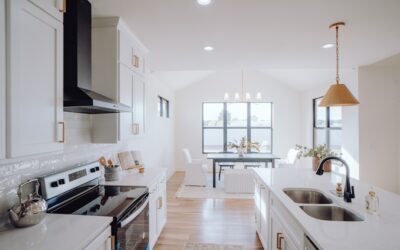
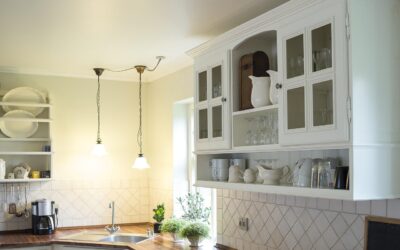
Few upgrades transform a kitchen as efficiently as the right island, and a kitchen island with open shelves blends practical storage with the airy, display-friendly look that has dominated home design for the past decade. Instead of hiding everything behind cabinet doors, open shelving turns cookbooks, woven baskets, and a stack of white bowls into part of the room’s character. Whether you are building from scratch or refacing an existing island, understanding the dimensions, materials, and styling rules will help you get a result that looks intentional rather than cluttered.
Part of our Kitchen Remodeling guide — explore the full guide →
- Why Choose Open Shelving on an Island
- Standard Island Dimensions to Plan Around
- Where to Position the Open Shelves
- Materials and Finishes That Last
- Cost Breakdown for a Shelved Island
- Styling Open Shelves Without the Clutter
- Maintenance and Practical Considerations
- Is an Open-Shelf Island Right for You?
Why Choose Open Shelving on an Island
Open shelves answer two needs at once: easy access and visual openness. Frequently used items like dinner plates, mixing bowls, and your everyday glasses stay within arm’s reach without opening a door. In a smaller kitchen, removing bulky upper cabinetry from the island side keeps sightlines clear and makes the whole room feel larger.
A kitchen island with open shelves also gives you a stage. Designers lean on this because it lets homeowners rotate seasonal decor, show off cookware, and add warmth through texture. The trade-off is honesty: open shelves expose everything, so they reward people who like to keep things tidy and edited.
Standard Island Dimensions to Plan Around
Before you commit to a shelving layout, lock in the footprint. A few proven measurements keep an island comfortable to use.
- Minimum island size: about 40 inches by 40 inches to feel useful.
- Standard counter height: 36 inches; bar-seating overhang sits at 42 inches.
- Walkway clearance: at least 36 inches on every side, 42 to 48 inches on the cooking side.
- Open shelf depth: 12 to 15 inches works for dishes and baskets.
- Shelf spacing: 12 to 16 inches vertically so tall items fit.
If your kitchen is under 150 square feet total, keep the island narrow, around 24 to 30 inches deep, and reserve open shelving for the long side that faces the main living space.
Where to Position the Open Shelves
Placement changes how the island functions. The most popular layout puts open shelves on the seating side, so stools tuck under the counter overhang while shelves below hold cookbooks and decorative pieces. This keeps the working side, facing your range and sink, free for closed drawers that hide clutter.
End-cap shelving is another smart move. Adding two or three shelves to the short end of the island creates a natural display niche and softens a boxy silhouette. For storage-heavy kitchens, combine both: closed cabinets on the work side, open shelves and a wine cubby on the social side.
Materials and Finishes That Last
Open shelves stay in view, so their material does double duty as structure and decor. Solid wood, butcher block, and thick plywood with a hardwood veneer are the most common choices.
Popular Shelf Materials
- Solid hardwood (oak, maple, walnut): durable and warm, roughly $8 to $25 per board foot.
- Butcher block: affordable and forgiving, often $30 to $60 per linear foot.
- Plywood with edge banding: stable and budget-friendly, ideal for painted finishes.
- Metal brackets with reclaimed wood: an industrial look that handles heavy stacks.
For the countertop above, quartz remains the most popular choice for durability, while butcher block tops pair beautifully with open wood shelving for a farmhouse feel. Seal any wood shelf with a food-safe finish if it will hold dishes.
Cost Breakdown for a Shelved Island
Budget depends heavily on whether you buy, build, or hire out. A prefabricated island with open shelving runs roughly $400 to $1,500 at major retailers. A semi-custom cabinet island installed by a contractor typically lands between $3,000 and $5,000, and a fully custom piece with quartz counter and solid-wood shelves can reach $8,000 or more.
Building it yourself dramatically lowers the price. A handy homeowner can assemble a base from stock cabinets, add open side shelves from $80 to $200 in lumber, and top it with a $250 to $600 countertop, often finishing the whole project for under $1,200. Factor in another $150 to $300 if you want electrical outlets added to the island.
Styling Open Shelves Without the Clutter
The difference between a magazine-worthy island and a messy one is restraint. Open shelves look best when about a third of the space stays empty. Group items by purpose and color, and mix heights so the arrangement reads as curated.
- Anchor each shelf with one large object, such as a stack of bowls or a cutting board.
- Add baskets to corral the items you do not want on display.
- Repeat one or two colors to create cohesion.
- Layer in a touch of greenery or a single cookbook with a pretty spine.
- Leave breathing room so nothing looks crammed.
Baskets are the secret weapon. They give you the open look while hiding the cords, bags, and odds and ends that would otherwise create visual noise.
Maintenance and Practical Considerations
Open shelving collects more dust and cooking grease than closed cabinets, especially within a few feet of the range. Wipe shelves and displayed items every week or two, and keep heavily used dishware on the shelves rather than purely decorative pieces, since regular handling naturally keeps it clean.
Think about weight and support, too. Dishes are heavier than they look, so use sturdy brackets or full-depth supports rated for at least 50 pounds per shelf. If your kitchen island with open shelves will hold a stand mixer or cast-iron cookware, plan for reinforced shelving and shorter spans to prevent sagging over time.
Is an Open-Shelf Island Right for You?
A kitchen island with open shelves rewards homeowners who value accessibility, display space, and an open, contemporary feel. It suits cooks who use their dishware daily and enjoy styling a space. If you prefer everything tucked away, or your kitchen sees constant grease and chaos, a mix of closed drawers with just one or two accent shelves may serve you better. Either way, getting the dimensions, materials, and styling right ensures your island becomes the hardworking, good-looking heart of the kitchen.