Kitchen wall art transforms a functional cooking space into a room with personality, warmth, and visual interest. While kitchens are often decorated with attention to cabinetry, countertops, and flooring, the walls frequently remain bare or underutilized. The right art makes your kitchen feel intentional and complete — whether that means a single oversized canvas above the dining nook or a curated gallery wall along the breakfast bar.
Part of our Kitchen Remodeling guide — explore the full guide →
This guide covers 35 kitchen wall art ideas organized by style, along with practical advice on placement, sizing, materials that withstand kitchen conditions, and budget-friendly options for every type of kitchen.
- Table of Contents
- Kitchen Wall Art by Style
- Modern & Minimalist Kitchen Art
- Farmhouse & Rustic Kitchen Art
- Vintage & Retro Kitchen Art
- Botanical & Nature Kitchen Art
- Typography & Quote Art
- Gallery Wall Ideas for Kitchens
- Placement & Sizing Guide
- Kitchen-Safe Art Materials
- Kitchen Wall Art by Budget
- Frequently Asked Questions
Kitchen Wall Art by Style
Choosing kitchen wall art that complements your existing design style creates a cohesive look. This overview helps you match art to your kitchen’s personality.
| Kitchen Style | Best Art Types | Color Palette | Frame Style |
|---|---|---|---|
| Modern/minimalist | Abstract prints, line art, geometric | Monochrome, muted tones | Thin black or natural wood |
| Farmhouse/rustic | Vintage signs, botanical prints, wood art | Warm neutrals, sage, cream | Distressed wood, no frame |
| Traditional | Still life, food illustrations, landscapes | Rich, warm colors | Ornate gold or dark wood |
| Mid-century modern | Retro posters, atomic-age prints, bold color | Orange, teal, mustard, olive | Simple wood, floating frames |
| Coastal/boho | Watercolors, macrame, woven art | Blues, sand, white, coral | Light wood, rattan, driftwood |
| Industrial | Metal signs, blueprint-style prints, photography | Black, gray, rust, copper | Metal, pipe-style, frameless |
Modern & Minimalist Kitchen Art
Modern kitchens benefit from art that adds visual interest without competing with clean lines and streamlined surfaces.
1. Abstract Single-Line Drawings
Single continuous-line drawings of food items — a wine bottle, coffee cup, or fruit bowl — are a major trend in 2026. They are simple enough to complement a minimalist kitchen while adding a subtle culinary reference. Black ink on white paper in a thin black frame is the classic treatment.
2. Oversized Monochrome Photography
A single large black-and-white photograph — perhaps of a European market, a coffee plantation, or an architectural detail — creates a dramatic focal point. Size it at least 24 by 36 inches for impact on a kitchen wall.
3. Geometric Color Block Prints
Geometric prints in muted earth tones (terracotta, olive, dusty rose) add color without overwhelming a neutral kitchen. A set of two or three coordinating prints hung in a horizontal row works well above a long counter or dining bench.
4. Textured Canvas Art
Textured abstract canvases with subtle dimension — thick brushstrokes, plaster-like texture, or mixed media — add depth to flat kitchen walls. Neutral-toned textured art is particularly effective in all-white or sage green kitchens where the texture provides visual interest without introducing competing colors.
5. Digital Art Frames
Digital art displays that rotate through curated collections are increasingly popular in 2026 kitchens. They let you change the art with the season, your mood, or your dinner party theme. Premium options display art so realistically that guests cannot tell it is a screen.
Farmhouse & Rustic Kitchen Art
Farmhouse kitchens embrace warmth, nostalgia, and handcrafted charm. The wall art should feel collected over time rather than purchased as a matching set.
6. Vintage Produce Crate Labels
Reproductions of antique fruit and vegetable crate labels from the early 1900s add color and a sense of history. Frame them in simple weathered wood for an authentic look. These prints are widely available and inexpensive.
7. Hand-Lettered Recipe Art
A family recipe written in hand-lettered calligraphy and framed makes deeply personal kitchen art. Commission a calligrapher to render your grandmother’s pie recipe or a beloved family dish. This becomes an heirloom piece with real meaning.
8. Vintage Kitchen Utensil Displays
Mount a collection of antique kitchen tools — rolling pins, whisks, wooden spoons, cheese graters — on a rustic board or directly on the wall. This functional-meets-decorative approach is quintessentially farmhouse.
9. Botanical Herb Prints
Vintage-style botanical illustrations of culinary herbs (basil, rosemary, thyme, sage) are a farmhouse kitchen classic. A row of four to six matching prints in uniform frames creates a polished display that references the kitchen’s purpose.
10. Reclaimed Wood Signs
Painted or stenciled signs on reclaimed barn wood add rustic texture. Messages like “Eat,” “Gather,” or “Farm Fresh” are popular, though more creative options — a favorite cooking quote or a humorous kitchen saying — feel more personal.
Vintage & Retro Kitchen Art
11. Retro Advertisement Reproductions
Vintage food and beverage ads from the 1940s through 1960s — colorful, illustrative, and nostalgic — work beautifully in kitchens. Look for reproductions of classic brands or generic period-style illustrations of coffee, baked goods, or kitchen appliances.
12. Mid-Century Cookbook Art
Framed pages or covers from mid-century cookbooks feature charmingly dated food photography and illustration. Visit thrift stores for original copies or buy high-quality reproduction prints online.
13. Retro Diner Clock
A vintage-style wall clock doubles as functional decor and a statement piece. Chrome and neon diner clocks, vintage teapot-shaped clocks, or classic Kit-Cat clocks add personality and a conversation starter.
14. Travel Poster Art
Vintage-style travel posters featuring food destinations — Italy, France, Japan, Mexico — combine culinary inspiration with wanderlust. These colorful, graphic prints work in almost any kitchen style and spark conversation about food cultures.
15. Antique Plate Wall
A collection of mismatched vintage plates hung in an asymmetric arrangement creates a dimensional art display. Mix patterns, colors, and sizes for visual interest. Plate hangers are inexpensive and easy to install on drywall.
Botanical & Nature Kitchen Art
16. Pressed Flower Frames
Pressed herbs or edible flowers displayed in floating glass frames bring natural beauty indoors. Pressed lavender, rosemary sprigs, or nasturtium flowers create delicate, one-of-a-kind art pieces. This is also an excellent DIY project using herbs from your own garden.
17. Fruit & Vegetable Watercolors
Watercolor paintings of produce — citrus slices, heirloom tomatoes, artichokes — add soft color and organic shapes to kitchen walls. Watercolors feel lighter and more relaxed than oil paintings, making them well-suited to kitchens.
18. Nature Photography
Close-up photography of ingredients — coffee beans, olive branches, wheat fields, farmer’s market displays — connects the kitchen to the source of food. Large format prints (20 by 30 inches or larger) work best for this style.
19. Leaf Prints & Impressions
Botanical prints created by pressing inked or painted leaves onto paper produce organic, textured art. Each print is unique. This technique works with large leaves like monstera, fig, or magnolia for dramatic kitchen art.
20. Dried Flower Arrangements
Wall-mounted dried flower arrangements in shadow boxes or mounted on boards bridge the gap between art and decor. Dried eucalyptus, lavender, and wheat sheaves last indefinitely and add both visual and textural interest to kitchen walls.
Typography & Quote Art
21. Cooking Quote Prints
Famous quotes about cooking, food, and gathering make meaningful kitchen art. Julia Child, Anthony Bourdain, and M.F.K. Fisher all have quotable lines that resonate with home cooks. Choose elegant typography on a clean background for a sophisticated look.
22. Menu Board
A large chalkboard or dry-erase board serves as both art and a functional weekly menu planner. Frame it in reclaimed wood for farmhouse style or sleek metal for modern kitchens. The “art” changes every week.
23. Oversized Letter Art
Large dimensional letters spelling “EAT,” “COOK,” or a family initial add bold graphic impact. Metal, wood, and illuminated marquee letters are all popular options. Position them above cabinets, over a doorway, or on an accent wall.
24. Measurement Conversion Chart
A beautifully designed measurement conversion chart (cups to tablespoons, Fahrenheit to Celsius) is both decorative and genuinely useful. Frame it near the prep area for quick reference during cooking.
25. Wine Label Art
Framed wine labels from memorable bottles — vacation wines, anniversary vintages, or favorite everyday selections — create personal, meaningful displays. Shadow boxes work well for labels with corks and bottle caps included.
Gallery Wall Ideas for Kitchens
26. Mixed Media Gallery Wall
Combine framed prints, a small shelf with a plant, a decorative plate, and a woven basket for a collected-over-time look. Mix frame styles and sizes for an organic arrangement. This approach works in any kitchen style.
27. Symmetrical Grid Gallery
Six to nine matching frames in a perfect grid create a clean, modern gallery wall. Use a cohesive series — all black-and-white photography, all botanical prints, or all food illustrations — for maximum impact. This layout works best on a large empty wall.
28. Vertical Stack
In narrow spaces between cabinets, windows, or doorways, stack three vertically oriented prints in a column. This draws the eye upward and makes use of space that would otherwise be ignored. Choose a unifying theme or color palette to tie the prints together.
29. Shelf Gallery
Picture ledges allow you to layer and overlap framed art, creating depth and allowing easy rearrangement without new nail holes. Install one or two ledges and lean five to eight pieces of varying sizes against the wall. This approach is popular in 2026 for its flexibility.
30. Eclectic Mix
For kitchens with personality, an eclectic gallery wall mixing different art styles, sizes, and media tells a story. Combine a vintage sign, a modern abstract, a family photo, a small mirror, and a quirky found object. The key is maintaining a loose color palette that ties everything together.
Placement & Sizing Guide
Where and how you hang kitchen wall art matters as much as what you hang.
| Location | Recommended Size | Hanging Height | Notes |
|---|---|---|---|
| Above dining table/nook | 24″ x 36″ or larger | 6 – 8″ above table | Width should be 50 – 75% of table width |
| Between upper & lower cabinets | 8″ x 10″ to 12″ x 16″ | Centered in the gap | Keep away from stove splatter zone |
| Above a counter (no upper cabinets) | 16″ x 20″ to 30″ x 40″ | 6 – 10″ above counter | Scale to wall space available |
| End of island/peninsula | 18″ x 24″ to 24″ x 36″ | Eye level (57 – 60″ center) | Visible from living/dining area |
| Narrow wall between doorways | 8″ x 10″ to 11″ x 14″ | Eye level | Vertical orientation works best |
| Above doorway or window | Horizontal, 6″ – 10″ tall | 2 – 4″ above frame | Fills dead space effectively |
General rule: The center of your art should be at eye level, which is approximately 57 to 60 inches from the floor. When hanging art above furniture (a table, counter, or bench), reduce the hanging height so the art relates to the furniture below rather than floating in space.
Kitchen-Safe Art Materials
Kitchens expose wall art to humidity, grease splatter, temperature fluctuations, and cooking odors. Choose materials that can handle these conditions.
31. Metal Prints
Photography or art printed directly onto aluminum panels is moisture-resistant, wipeable, and will not warp. Metal prints have a modern, luminous quality that works well in contemporary kitchens. They are ideal for placement near sinks or stoves.
32. Acrylic/Glass-Fronted Frames
Any paper print protected behind glass or acrylic is safe for kitchens. The barrier prevents moisture and grease from reaching the art. Use acrylic instead of glass near cooking areas — it is lighter and shatterproof.
33. Canvas with Protective Coating
Canvas prints sealed with a protective varnish resist moisture and can be gently wiped clean. Uncoated canvas will absorb cooking odors and grease over time, so ensure any canvas art for the kitchen has a sealed surface.
34. Ceramic & Tile Art
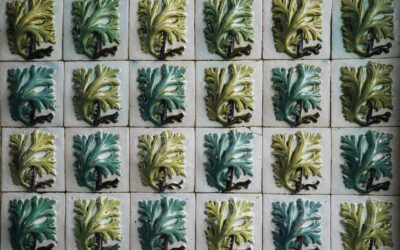
Decorative ceramic tiles or tile murals are inherently kitchen-proof. They withstand moisture, heat, and cleaning products. Tile art can be mounted directly on the wall or framed as a standalone piece.
35. Vinyl & Acrylic Decals
Removable wall decals are budget-friendly, renter-friendly, and easy to replace when you want a change. Modern vinyl decals look surprisingly sophisticated — far from the cartoon stickers of the past. They peel off cleanly without damaging wall surfaces.
Kitchen Wall Art by Budget
| Budget | Options | Sources |
|---|---|---|
| Under $25 | Printable digital downloads, DIY pressed flowers, vinyl decals | Etsy digital shops, Canva templates, Amazon |
| $25 – $75 | Framed poster prints, small canvas art, decorative plates | Society6, Minted, Target, IKEA |
| $75 – $200 | Gallery-quality prints, metal prints, curated sets | Artfully Walls, Juniper Print Shop, Desenio |
| $200 – $500 | Original small paintings, custom calligraphy, digital frames | Local artists, Etsy originals, Samsung Frame TV |
| $500+ | Original art, commissioned pieces, large-scale installations | Galleries, art fairs, commissioned artists |
The most impactful approach for most kitchens is to invest in one or two quality pieces rather than filling every wall with inexpensive prints. A single striking piece of art above the dining area or on a focal wall makes a stronger statement than a dozen small, scattered prints.
Frequently Asked Questions
What kind of art is best for a kitchen?
Art that relates to food, cooking, gathering, or nature works naturally in kitchens. However, there are no rules — abstract art, photography, and non-food-related prints can look equally at home. The most important considerations are that the art complements your kitchen’s color palette and style, and that it is protected from moisture and grease with glass, acrylic, or a sealed surface.
Can you hang canvas art in a kitchen?
Yes, with caveats. Canvas absorbs moisture and cooking odors over time, so choose canvas prints with a protective varnish coating and hang them away from the stove and sink. The area above a dining table or on a wall opposite the cooking zone is safest. For walls near cooking areas, glass-fronted frames or metal prints are better choices.
How do I protect kitchen wall art from grease?
Use glass or acrylic-fronted frames, sealed canvas, or metal prints in areas exposed to cooking splatter. Hang art at least 3 feet from the stove and range hood. Clean frames monthly with a damp cloth to prevent grease film buildup. For art directly above cooking areas, consider a tile mural or metal print that can be wiped down easily.
What size art should I put in my kitchen?
Scale art to the wall space. A large empty wall needs a piece at least 24 by 36 inches or a gallery arrangement that fills 50 to 75 percent of the available space. Small spaces between cabinets suit 8-by-10 or 11-by-14-inch pieces. When hanging above furniture, the art should be roughly two-thirds the width of the furniture below it.
Is kitchen wall art outdated?
Not at all. What is outdated is the mass-produced “Live Laugh Love” or generic wine-themed prints that dominated kitchens in the 2010s. In 2026, the trend is toward personal, curated art — original pieces, meaningful prints, and collected displays that reflect the homeowner’s taste rather than generic kitchen themes.
How do I create a gallery wall in a small kitchen?
Use a picture ledge or shelf to create a gallery without committing to nail holes. Choose three to five small pieces in a cohesive color palette. A vertical stack of two or three frames works well in narrow spaces. Alternatively, a single statement piece can have more impact in a small kitchen than a crowded gallery wall.