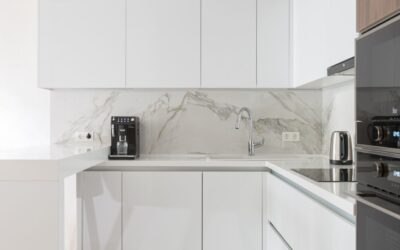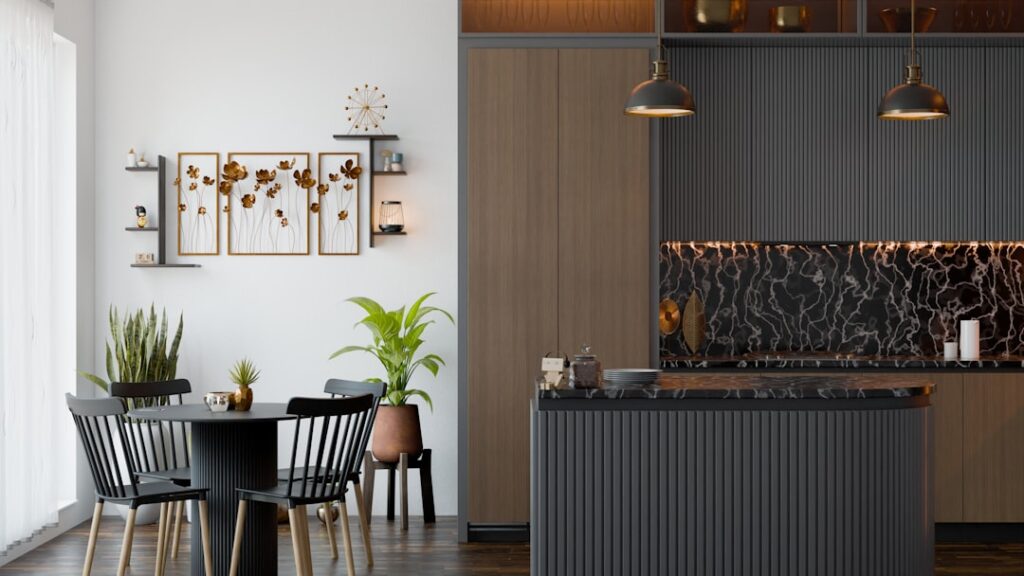
Scroll through any design feed and you will see it everywhere: a bright, airy cooking space with a bare wall of tile or a couple of floating shelves where the wall cabinets used to be. A kitchen without upper cabinets has moved from a bold designer statement to a mainstream renovation choice, and for good reason. Removing the overhead boxes opens sightlines, floods the room with light, and turns the wall into a design canvas. But it also asks you to rethink where everything goes. This guide walks through the alternatives, the honest pros and cons, who the look suits, and what it does to resale.
Part of our Kitchen Remodeling guide — explore the full guide →
Why People Ditch the Upper Cabinets
The appeal starts with space and light. Upper cabinets loom over the counter, cast shadows, and press the walls inward, especially in a small kitchen. Strip them away and the room instantly feels taller and more open. Windows can grow larger or wrap around a corner because no cabinet has to sit above the counter. And the wall itself becomes a feature, whether that is a run of handmade zellige tile, a slab backsplash that climbs to the ceiling, or a warm plaster finish.
There is also a workflow argument. Reaching into a high cabinet for the top shelf is awkward for most people anyway; the truly useful top shelves usually sit empty or hold things you touch twice a year.
Open Shelving: The Most Common Alternative
Most kitchens that drop the uppers do not go completely bare. Instead they add open shelving, typically one or two floating wood or metal shelves, to keep a few everyday items within reach without rebuilding a wall of boxes. Done well, open shelves hold the plates, glasses, and mugs you use daily, styled so the display looks intentional rather than cluttered.
The tradeoff is honesty. Everything on an open shelf is visible and collects a thin film of cooking grease and dust, so it works best for items you cycle through often enough that they never sit long enough to grime up. Reserve open shelves for daily dishes and a few good-looking pieces, and store the rest below or elsewhere.
Where Does the Storage Go?
This is the question that makes or breaks the decision. Upper cabinets hold a lot, and that volume has to land somewhere. Successful upper-free kitchens redistribute storage using several strategies:
- Deep drawer bases: Full-extension drawers in the lower cabinets hold far more than shelves and put everything at eye level when opened. This is the single biggest storage recovery.
- A tall pantry wall: A run of floor-to-ceiling pantry cabinets on one wall absorbs the dry goods, small appliances, and dishware the uppers used to hold.
- A generous island: Base cabinets and drawers in a large island add serious capacity.
- A butler’s pantry or nearby closet: Off-loading bulk storage to an adjacent space keeps the main kitchen clean.
The rule of thumb: before removing the uppers, add up their cubic capacity and confirm you have equal or greater storage planned elsewhere. Skip that math and you will regret it the first time the counters fill with homeless gadgets.
The Real Advantages
When the storage is handled, the payoff is significant:
- Openness and light: The room feels larger and brighter, a genuine gift in compact kitchens.
- Design freedom: A full backsplash wall or large windows become possible.
- Lower cabinet cost: Fewer boxes can trim the cabinetry budget, freeing money for nicer lowers or countertops.
- Easier reach: No stretching to a high shelf; everyday items live at counter or drawer height.
- A curated, personal look: Shelves let you show off ceramics, cookbooks, and plants.
The Honest Drawbacks
The downsides are equally real and worth facing before you commit. Storage is the obvious one; if you cannot make up the lost volume, the layout fails in daily use. Beyond that, open shelves demand tidiness, because clutter has nowhere to hide and everything on display gathers grease near a cooktop. Some homeowners find the constant styling and dusting tiresome after the honeymoon period.
- Less total enclosed storage unless you plan carefully.
- Open items collect cooking grease and dust and need regular wiping.
- Requires visual discipline; messy people will find it stressful.
- Fragile or rarely used items have no closed home.
Who It Suits, and Who Should Think Twice
An upper-free kitchen rewards a specific kind of household. It suits people who cook with a curated set of tools, who value light and openness, and who genuinely enjoy keeping surfaces tidy. It shines in homes with a nearby pantry, a large island, or a butler’s pantry to absorb bulk storage, and in smaller kitchens where the visual openness matters most.
It is a poor fit for anyone with a lot of stuff and nowhere else to put it, for busy families who need everything hidden fast, or for serious cooks with an extensive collection of specialty gear. If your storage is already tight and there is no pantry wall in the plan, keeping at least a few uppers is the wiser move.
The Resale Question
Resale is where opinions divide, so be clear-eyed. A stylish upper-free kitchen with abundant replacement storage, a walk-in or tall pantry, and quality lowers reads as intentional and high-end to most buyers. The risk appears when the look sacrifices function; a buyer walking a home does mental storage math, and a kitchen that clearly lacks somewhere to put the dishes can read as impractical and give pause.
The safe path is to preserve total storage capacity even as you remove the wall boxes. If a full pantry wall, deep drawers, and a roomy island carry the load, the design typically helps rather than hurts perceived value, especially in modern and design-forward markets. If you are renovating a home you intend to sell soon in a traditional neighborhood, a hybrid approach, keeping some uppers while opening one feature wall, hedges your bet.
Alternatives to Fully Open Shelving
Removing the uppers does not force an all-or-nothing choice between bare walls and floating shelves. Several middle-ground solutions keep the open feeling while recovering function:
- A single feature wall: Open one wall for the airy look while keeping cabinets on an adjacent run, a hybrid that hedges storage and style.
- Glass-front upper cabinets: Retain the visual lightness of open shelving with the dust and grease protection of a door.
- A rail or ledge system: A slim shelf with a hanging rail holds utensils, mugs, and greenery without the bulk of boxes.
- Tall cabinets flanking a window: Full-height units on either side of an open center wall frame the space and store the overflow.
These hybrids are often the most livable answer. They deliver the sense of openness that draws people to the look while quietly solving the storage problem that sinks purely open kitchens.
Lighting and Backsplash Considerations
When the uppers come off, two details you might overlook suddenly carry the room: lighting and the backsplash. Upper cabinets normally house under-cabinet task lighting over the counter, so removing them leaves the workspace darker unless you plan ahead. Compensate with wall sconces, a run of recessed downlights aimed at the counter, or a pendant over the sink so you are not chopping vegetables in shadow.
The backsplash also becomes a full feature wall rather than a narrow strip between counter and cabinet. That is an opportunity and a cost. A wall of handmade tile, a bookmatched stone slab, or a warm plaster finish becomes the visual anchor of the kitchen, but it also means more square footage of finish material to buy and install. Budget for the larger backsplash, choose a surface that wipes clean easily behind a cooktop, and treat the wall as the design centerpiece it now is. Handled thoughtfully, the extra light and the expanded backsplash turn the absence of cabinets into the most memorable part of the room.
Making the Call
A kitchen without upper cabinets can be one of the most striking and livable choices you make, but only when storage is solved first and style second. Total up what the uppers hold, plan equal capacity into drawers, a pantry, and an island, and reserve any open shelving for the daily dishes you will happily wipe down. Do that honest planning, and you get the light, the openness, and the design freedom without the buyer’s remorse. Skip it, and the prettiest backsplash in the world will not make up for having nowhere to put the plates.