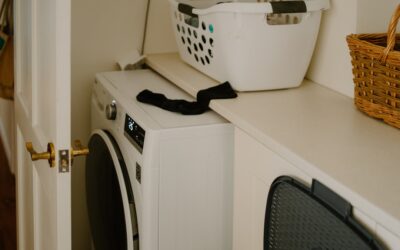
A folding surface over your washer and dryer is one of those upgrades that seems minor until you have it, then you wonder how you ever managed without it. Choosing the right laundry room countertop means balancing moisture resistance, durability, and budget against a surface that will see detergent spills, damp clothes, and the occasional dropped iron. This guide compares the best countertop materials for laundry rooms, breaks down real costs, and covers the design and installation details that make the difference between a surface that lasts decades and one that warps within a year.
Part of our Countertops guide — explore the full guide →
What Makes a Good Laundry Room Countertop
The laundry room is a uniquely demanding environment. Your countertop needs to shrug off water splashes, resist chemical spills from bleach and detergent, and stand up to the vibration of a spinning washer. Unlike a kitchen counter, it rarely sees knives or hot pans, but moisture exposure is constant.
The ideal laundry countertop is water-resistant, easy to clean, durable enough to fold and sort on daily, and priced to fit a room that’s more utility than showpiece. That combination opens the door to materials that might not suit a kitchen but are perfect above a washer and dryer.
Best Countertop Materials Compared
Quartz
Engineered quartz is arguably the best all-around choice. It’s nonporous, so it never needs sealing and resists stains from detergent and dye. It’s extremely durable and comes in countless colors. The downside is cost: quartz runs $50 to $120 per square foot installed, making it the premium option.
Laminate
Laminate is the budget champion and surprisingly practical for laundry rooms. Modern laminate resists moisture well, wipes clean easily, and comes in convincing stone and wood looks. At $10 to $40 per square foot installed, it delivers the most style per dollar. Just seal the seams and edges well, because water intruding into the particleboard core will cause swelling.
Butcher Block
Wood butcher block brings warmth and a farmhouse feel that many homeowners love. It costs $20 to $60 per square foot and is easy to install as a DIY project. The catch is maintenance: it must be sealed regularly with mineral oil or polyurethane to survive the humid laundry environment. Neglect the sealing and it will stain and warp.
Solid Surface
Materials like Corian offer a seamless, nonporous surface at $40 to $80 per square foot. Minor scratches sand out, and integrated sinks are possible. It’s a solid middle-ground option between laminate and quartz.
Granite and Stone
Natural granite is durable and attractive at $40 to $100 per square foot, but it requires periodic sealing to stay stain-resistant. It’s often chosen when homeowners want the laundry room to match adjacent spaces.
Cost Comparison at a Glance
- Laminate: $10 to $40 per sq ft installed. Best budget choice.
- Butcher block: $20 to $60 per sq ft. Warm look, needs sealing.
- Solid surface: $40 to $80 per sq ft. Seamless and low-maintenance.
- Granite: $40 to $100 per sq ft. Durable natural stone.
- Quartz: $50 to $120 per sq ft. Premium, nonporous, no sealing.
For a typical laundry room countertop spanning 6 to 10 linear feet, total costs range from a few hundred dollars for laminate to $1,500 or more for quartz.
Design Considerations
Beyond material, a few design details make a laundry countertop far more functional:
- Height and clearance: If the counter spans front-load machines, plan for the appliance height plus a small gap. Standard counters sit at 36 inches, but laundry counters over machines often land at 38 to 40 inches.
- Depth: A depth of 25 to 26 inches covers most machines and gives ample folding space.
- Support: A counter over a washer and dryer needs proper support, either wall-mounted brackets, side cabinets, or legs, since you can’t set weight directly on the appliances.
- Removability: Consider whether you’ll need to slide machines out for service. A countertop that can be lifted or that clears the machines helps with repairs.
Installation Over Washer and Dryer
Installing a countertop above front-loading machines requires solid support since the appliances themselves shouldn’t bear the load. The most common approaches are heavy-duty wall brackets rated for the countertop’s weight, flanking base cabinets that the counter rests on, or a wall cleat combined with support legs at the outer edge.
Leave at least an inch of clearance above the machines so vibration doesn’t transmit into the counter and so you can access the tops for cleaning. Anchor brackets into wall studs, never just drywall, and confirm the counter is level so items don’t slide off. For heavy materials like quartz or granite, professional installation is strongly recommended given the weight and the need for precise support.
Maintenance Tips
Keeping your laundry countertop in good shape is straightforward with the right material:
- Quartz and solid surface: Wipe with mild soap and water. No sealing ever needed.
- Laminate: Wipe up spills promptly and never let water sit at seams or edges.
- Butcher block: Reseal with mineral oil every 1 to 3 months, or apply polyurethane for a more durable, low-maintenance finish.
- Granite: Reseal once or twice a year and clean with a stone-safe cleaner.
Which Material Should You Choose?
Your best pick depends on priorities. If budget rules, laminate delivers great looks and moisture resistance for the least money. If you want a warm, characterful surface and don’t mind occasional sealing, butcher block is hard to beat. For a truly worry-free, premium surface that never needs maintenance, quartz is the top choice. Solid surface and granite occupy the useful middle, offering durability and style at a moderate price.
Final Thoughts
A well-chosen laundry room countertop turns a purely functional space into an organized, pleasant work zone where folding, sorting, and stain-treating all become easier. Focus on moisture resistance first, then weigh durability and budget, and don’t skimp on proper support if the counter spans your machines. Whether you spend $300 on laminate or $1,500 on quartz, adding a smart, sturdy countertop is one of the most practical improvements you can make to a hardworking laundry room, and one you’ll appreciate with every load.
Adding a Sink to Your Laundry Countertop
Many homeowners integrate a utility sink into the laundry countertop for hand-washing delicates, soaking stained items, and filling buckets. If a sink is in your plans, that decision shapes your material choice. Nonporous surfaces like quartz and solid surface handle constant water exposure around a sink best, while laminate requires careful sealing at the cutout to prevent the core from swelling.
Undermount sinks give the cleanest look and easiest cleanup with quartz, granite, and solid surface tops, since you can wipe water straight into the basin with no lip to catch debris. Drop-in sinks work with any material, including laminate, and cost less to install. Plan the sink location alongside your existing plumbing to avoid expensive rough-in changes.
Frequently Asked Questions
What is the best countertop material for a laundry room?
Quartz is the best all-around choice because it’s nonporous, never needs sealing, and shrugs off detergent and dye stains. For a tighter budget, laminate offers great looks and solid moisture resistance for far less money. Butcher block suits those who want warmth and don’t mind periodic sealing.
Can you put a countertop over a washer and dryer?
Yes, but the counter must be supported independently, not resting directly on the machines. Use heavy-duty wall brackets anchored into studs, flanking base cabinets, or support legs. Leave at least an inch of clearance above the machines so vibration doesn’t transfer and you can access the tops.
How much does a laundry room countertop cost?
For a typical 6-to-10-foot span, costs range from a few hundred dollars for laminate to $1,500 or more for quartz. Per square foot, laminate runs $10 to $40, butcher block $20 to $60, solid surface $40 to $80, granite $40 to $100, and quartz $50 to $120 installed.
Do laundry room countertops need to be sealed?
It depends on the material. Quartz and solid surface never need sealing. Butcher block requires regular sealing with mineral oil or a polyurethane finish, and natural granite needs resealing once or twice a year. Laminate isn’t sealed but its seams and edges must be protected from water intrusion.