Choosing grout color feels minor next to picking the tile, right up until the grout goes in and changes the entire look of the room. One of the most reached-for shades among tile installers and DIYers is Mapei Alabaster grout, a soft, warm off-white that has quietly become a default for kitchens, bathrooms, and backsplashes across the country. It is not stark white and not beige, which is exactly why it works with so many tiles. This guide explains what the color looks like, where it belongs, and how to get a professional result.
Part of our Tile & Grout guide — explore the full guide →
What Color Alabaster Actually Is
Alabaster sits in the warm off-white family. It reads as a creamy, slightly soft white with a faint warm undertone, distinct from Mapei’s brighter “White” and its more neutral “Frost.” Think of it as white with the harsh edge taken off, the grout equivalent of a warm white paint instead of a stark builder white.
That subtle warmth is the whole point. Pure white grout can look clinical and shows dirt aggressively, while alabaster softens the grid and complements warm-toned tiles, wood-look porcelain, and creamy marble without disappearing into them.
Why It Is So Popular
Installers default to alabaster for a few practical reasons that homeowners come to appreciate. It flatters a huge range of tiles, from white subway and marble to travertine and warm gray porcelain. It hides everyday grime better than bright white, since its slightly warm tone disguises the dust and soap film that make pure white look dingy fast.
- Versatile: Works with white, cream, gray, and natural stone tiles.
- Forgiving: Shows less dirt than stark white grout.
- Timeless: A neutral that does not date the way a trendy color might.
- Widely stocked: Available at most tile suppliers and big-box stores in multiple Mapei product lines.
Sanded vs. Unsanded in Alabaster
Mapei offers alabaster across several formulas, and choosing the right one depends on your grout joint width, not just the color. Picking wrong leads to cracking or a rough finish.
Unsanded Grout
Use it for narrow joints up to about 1/8 inch wide. It is smooth, easy to work into tight spaces, and the right choice for polished surfaces like glass and smooth marble that sanded grout could scratch.
Sanded Grout
Use it for wider joints from roughly 1/8 inch to 1/2 inch. The sand adds strength and prevents shrinkage cracks in larger gaps, making it standard for most floor tile.
Premixed and Epoxy Options
Mapei’s Flexcolor CQ is a ready-to-use, stain-resistant grout offered in alabaster that needs no sealing, popular for backsplashes and showers. The epoxy options, like Kerapoxy, offer maximum stain and chemical resistance for heavy-use areas, though they are harder to install.
Where Alabaster Works Best
Because of its neutral warmth, alabaster suits almost any room, but a few applications stand out. It is a favorite behind kitchen sinks and stoves, where its dirt-hiding tone keeps the backsplash looking clean. In bathrooms, it pairs beautifully with marble-look tile and warm-toned floors. With wood-look plank tile, alabaster blends into the natural color so the joints do not stand out.
If your tile is cool, bright white and you want crisp contrast, a true white or even a light gray might serve you better. But for the warm and neutral palettes that dominate today’s homes, alabaster is a reliable match.
Getting a Clean Installation
Grout color only looks as good as the application, and a few habits separate a crisp result from a hazy one. Mix to a peanut-butter consistency, never soupy, since too much water lightens the cured color and weakens the grout. Work it into the joints at a 45-degree angle with a rubber float, then strike off the excess.
- Let the grout firm up for about 15 to 20 minutes before the first wipe.
- Use a barely damp sponge, rinsed often, to clean the surface in gentle circles.
- Do not over-wet the joints, which pulls color out and creates light streaks.
- After it dries, buff away the grout haze with a clean dry cloth.
Consistency matters most when matching multiple batches. Use the same water ratio every time and mix full bags rather than partial scoops so the color stays uniform across the whole job.
Sealing and Maintenance
Standard cement-based alabaster grout is porous and should be sealed once it has cured for 48 to 72 hours. A penetrating sealer keeps stains and moisture from soaking in and helps the warm tone stay consistent. Reseal floors and wet areas every year or two.
If you chose Flexcolor CQ or an epoxy grout, you can skip sealing, since those formulas are inherently stain-resistant. For routine cleaning, a pH-neutral cleaner and warm water are all you need; avoid bleach and acidic cleaners, which can erode cement grout and discolor the surface over time.
The Bottom Line
Mapei Alabaster grout earns its popularity honestly. It is a warm, forgiving off-white that complements a remarkable range of tiles, hides everyday dirt, and never looks dated. Match the right formula to your joint width, mix it consistently, wipe it carefully, and seal it if it is cement-based. Do that, and you get clean, warm grout lines that make the tile look exactly the way you imagined when you picked it out.
How Alabaster Compares to Other Mapei Whites
Mapei offers several light-toned grouts, and the differences trip up plenty of shoppers standing in the tile aisle. Alabaster is the warm off-white, with a creamy, soft character. By contrast, Mapei’s brighter whites read cooler and crisper, and “Frost” sits as a clean neutral white without alabaster’s warmth.
- Alabaster: Warm, soft off-white; flatters cream, beige, and natural-stone tiles.
- White: Bright and crisp; best with stark white tile and high-contrast looks.
- Frost: Neutral light gray-white; a safe middle ground for gray and white tile.
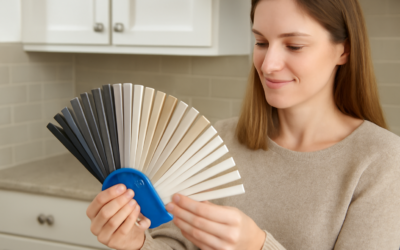
When you are torn, get small sample sticks of each color and lay them against your actual tile in the room’s lighting. Grout looks different dry than wet and different on the wall than on a sample card, so seeing it in place prevents a costly mismatch.
Avoiding Color Inconsistency
The most common complaint about any cement grout is blotchy, uneven color, and it almost always comes down to technique rather than the product. The biggest culprit is inconsistent water. Adding extra water to thin a stiffening batch, or wiping the joints with a soaking-wet sponge, pulls pigment out and leaves light, washed-out streaks.
To keep alabaster uniform, measure your water the same way for every batch, mix complete bags rather than partial scoops, and wait the full firm-up time before the first wipe. Use a clean bucket of water and a well-wrung sponge, changing the water often. If you do spot light haze after curing, a grout haze remover and a thorough buff usually restore the even, warm tone alabaster is known for.