Maple engineered wood flooring pairs one of North America’s hardest domestic species with the stability of a layered construction, making it a favorite for busy households that still want a bright, contemporary floor. Hard maple ranks around 1,450 on the Janka hardness scale, notably tougher than red oak, and the engineered format tames the species’ natural tendency to react to moisture swings.
Having installed maple in everything from open-concept kitchens to basement rec rooms, I can speak to where it shines and where it frustrates. This guide covers the honest trade-offs and how to shop for it wisely.
What Engineered Maple Actually Is
Engineered maple flooring is built in layers. A real hard maple wear layer, typically 2mm to 6mm thick, sits atop a cross-grained core of plywood or high-density fiberboard. That core is what gives the plank its dimensional stability, resisting the cupping and gapping that solid maple is prone to when humidity swings.
The top veneer is genuine maple, so you get the authentic smooth grain and pale, creamy color that defines the species. The difference from solid maple is all underneath, where the layered core does the heavy lifting against seasonal movement.
Most quality engineered maple uses a multi-ply birch or eucalyptus core with an odd number of layers, typically five to nine plies, each rotated 90 degrees from the one below. That cross-grain construction is what cancels out the expansion and contraction forces that make solid maple move. A cheaper HDF core costs less and stays flat but cannot be sanded and refinished, so the core type is worth checking on the spec sheet before you buy.
The Pros of Maple Engineered Wood Flooring
Maple brings a distinct set of strengths that make it worth considering over oak or hickory in the right setting.
- Hardness and durability. At roughly 1,450 Janka, hard maple resists dents from dropped pans, chair legs, and pet claws better than most oaks.
- Clean, bright aesthetic. The subtle, uniform grain and light color make rooms feel larger and more modern. It suits Scandinavian and minimalist interiors beautifully.
- Stability over concrete and radiant heat. The engineered core lets you install over slab or hydronic radiant systems where solid maple would be risky.
- Wide plank options. Engineered construction supports planks 5 to 7 inches wide without the movement problems solid wide-plank maple suffers.
The tight, closed grain also means less visible dirt and a smoother feel underfoot, which many clients notice immediately compared to more textured oak.
The Cons Worth Knowing
Maple is not without its quirks, and a couple of them are significant enough to steer some buyers elsewhere.
- Stain absorption is uneven. Maple’s dense, closed grain drinks stain blotchily. Dark stains in particular can look muddy and patchy. Manufacturers often use specialized finishing to compensate, but custom dark tones are risky.
- Shows scratches on light finishes. Fine scratches can appear more visible against maple’s pale surface than on a darker, busier oak grain.
- Thin veneers limit refinishing. A 2mm wear layer cannot be sanded aggressively. Choose 4mm or thicker if you want a future refinish option.
- Sensitive to humidity extremes. Even engineered maple performs best when indoor relative humidity stays between 35 and 55 percent year-round.
Grain and Grade Matter
Maple is sold in grades. Select and better grade shows the cleanest, most uniform pale color, while a rustic or character grade includes more mineral streaking and darker heartwood. Neither is wrong, but know which look you are buying before the boxes arrive.
How Maple Compares to Oak and Hickory
Choosing a species is really about weighing hardness, grain, and color together, and maple sits in a distinct spot among the popular domestics.
- Maple vs. oak. Maple is harder (1,450 vs. 1,290 Janka for red oak) with a smoother, quieter grain, but oak takes stain far more evenly and hides scratches better with its busier figure.
- Maple vs. hickory. Hickory is harder still at around 1,820 Janka and shows dramatic grain and color contrast, while maple offers a calmer, more uniform look for modern spaces.
- Maple vs. walnut. Walnut is soft (about 1,010 Janka) and naturally dark, the opposite of maple’s hard, pale character. They serve completely different design goals.
For a bright, contemporary room that sees heavy traffic, maple often wins. For a traditional space where you want a rich stained tone, oak is usually the better technical fit.
Installation and Acclimation
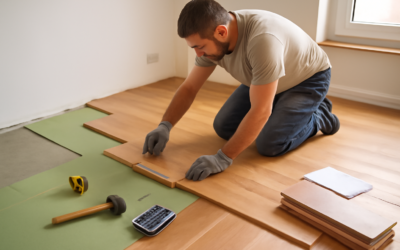
Engineered maple installs three ways depending on the product and subfloor: floating over a foam or cork underlayment, glued down with a urethane adhesive, or stapled to a wood subfloor. Floating installations go fastest and suit concrete slabs, while glue-down gives the most solid, quiet feel underfoot. Over radiant heat, always float or glue per the manufacturer and keep the surface temperature at or below 82°F to protect the wood.
Let the flooring acclimate in the room for 3 to 5 days before installation, and maintain indoor relative humidity between 35 and 55 percent afterward. Maple is more humidity-sensitive than oak, so this step is not optional if you want to avoid gapping in winter or tightness in summer. Test concrete slabs for moisture before any glue-down job.
Cost Per Square Foot
Maple engineered flooring sits in the mid-range of hardwood pricing, generally below exotics but comparable to quality oak.
- Material: $4 to $9 per square foot for most residential-grade product
- Premium wide-plank or thick-veneer maple: $9 to $13 per square foot
- Professional installation: $3 to $6 per square foot
- Total installed: roughly $7 to $17 per square foot
A 400-square-foot living room typically lands between $2,800 and $6,800 installed. Glue-down over concrete adds labor cost versus a floating floor over foam underlayment.
How to Buy the Right Maple Floor
Start with the wear-layer thickness, because that single number determines how long the floor can last. For a floor you want to keep for 25-plus years and refinish once, insist on a 4mm or thicker sawn veneer. For a rental or a shorter horizon, a 2mm layer keeps costs down.
Order samples and view them under your room’s real lighting. Maple’s color reads very differently under warm bulbs versus daylight, and its uniform tone means small undertone differences stand out. Confirm the finish type as well. A quality aluminum-oxide factory finish carrying a 25-year residential warranty holds up far better than a thin site-applied coat.
Finally, buy 8 to 10 percent overage for waste and future repairs, and let the flooring acclimate in the installation room for at least 3 to 5 days before install so it equilibrates to your home’s humidity.
Is Maple Engineered Flooring Right for You?
Choose maple engineered wood flooring if you want a hard, bright, contemporary floor that stands up to heavy traffic and works over concrete or radiant heat. It is an excellent match for modern interiors and active families who value dent resistance.
Look elsewhere if you have your heart set on a rich, dark stained floor, since maple simply does not take dark color evenly. In that case oak or walnut serves you better. But for a clean, durable, light-toned surface that shrugs off daily abuse, maple remains one of the smartest domestic species on the market, and the engineered format removes most of its historical weaknesses.
My general advice to clients is to buy the best wear layer you can afford, confirm the core is plywood rather than cheap HDF if you might refinish, and see a large sample in your own light before committing. Get those three decisions right and engineered maple will reward you with a bright, resilient floor that looks current for decades.
Prefer to explore on your own?
See how new flooring looks in your actual room in seconds — free, no signup.
Try the free Floor Studio →