
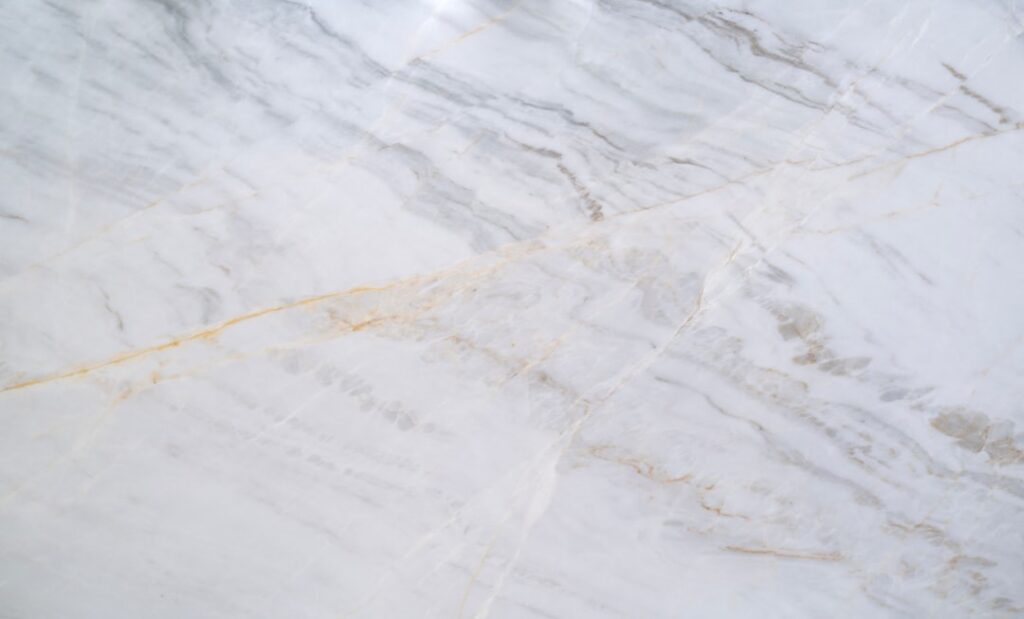
Few materials say “luxury” in a bathroom quite like natural stone, and a marble bathroom vanity brings timeless elegance, unique veining, and real resale appeal to the space. But marble is also a soft, porous stone that demands respect: it stains, etches, and scratches more easily than harder surfaces. Before you fall for that gorgeous slab, it pays to understand what you are getting into. This guide covers marble types, the pros and cons, sealing and maintenance, alternatives, and realistic costs so you can make a confident choice.
Part of our Countertops guide — explore the full guide →
- Why Homeowners Love Marble Vanities
- Common Types of Marble
- The Real Drawbacks to Understand
- Sealing: Non-Negotiable Protection
- Daily Care and Cleaning
- Polished vs. Honed Finish
- Alternatives That Mimic Marble
- Cost Expectations
- Is a Marble Vanity Right for You?
- Integrated, Undermount, or Vessel Sink?
- Edge Profiles and Slab Thickness
Why Homeowners Love Marble Vanities
Marble’s appeal is rooted in its natural beauty. Each slab is one of a kind, with veining and color patterns formed over millennia, so no two vanity tops are identical. It brings a cool, elegant, high-end look that pairs beautifully with both classic and modern bathrooms. Beyond aesthetics, a marble vanity can boost a home’s perceived value and appeal to buyers who associate stone with quality. Because a bathroom vanity is a relatively small surface compared with a kitchen counter, marble is also more attainable here, letting you enjoy a luxury material without the cost of an entire kitchen in stone.
Common Types of Marble
Not all marble looks or performs the same. A few varieties dominate bathroom projects:
- Carrara: The most common and affordable, with a soft gray-white background and fine, feathery gray veining. A go-to for classic bathrooms.
- Calacatta: Whiter and more dramatic, with bold, thick veining. Rarer and more expensive, prized for a striking statement.
- Statuario: Bright white with distinctive gray veining, luxurious and premium-priced.
- Emperador: Brown-toned marble with lighter veins, offering a warmer, richer look.
Colors and veining vary within each type, so always view the actual slab or sample before buying rather than relying on a photo.
The Real Drawbacks to Understand
Marble is beautiful but high maintenance, and going in with realistic expectations prevents disappointment. Its main challenges are:
- Etching: Marble is calcium carbonate, so acidic substances, lemon juice, vinegar, toothpaste, many cleaners, and even some cosmetics, react with the surface and leave dull etch marks. This is a chemical reaction, not a stain, and it happens even on sealed marble.
- Staining: Being porous, unsealed or under-sealed marble absorbs liquids like makeup, hair dye, and oils, which can leave stains.
- Scratching: Marble is softer than granite or quartz and can scratch from abrasive grit or dragged objects.
- Maintenance: It needs periodic resealing and careful, pH-neutral cleaning to stay its best.
For many owners, minor etching and a developing patina are part of marble’s charm, much like a well-loved farmhouse table. If that patina would bother you, marble may not be the right pick.
Sealing: Non-Negotiable Protection
Because marble is porous, sealing is essential. A penetrating (impregnating) sealer soaks into the stone and slows liquid absorption, reducing staining. Most marble vanity tops should be sealed at installation and then resealed periodically, often once or twice a year, though the exact interval depends on the sealer and use. A simple test: drip a few drops of water on the surface and watch. If it beads up, the seal is working; if it soaks in and darkens the stone within a few minutes, it is time to reseal. Remember that sealing reduces staining but does not prevent etching, which is a surface reaction only proper care can avoid.
Daily Care and Cleaning
Keeping a marble vanity looking its best is about gentle, consistent habits:
- Wipe up spills immediately, especially anything acidic like mouthwash, perfume, or citrus.
- Clean only with a pH-neutral stone cleaner or mild soap and water; never use vinegar, ammonia, bleach, or abrasive scrubs.
- Use trays or dishes under bottles of lotion, perfume, and cleansers to prevent rings and drips.
- Blot rather than wipe spills to avoid spreading them into the pores.
- Avoid setting hot tools like curling irons directly on the surface, and never use abrasive pads.
These small routines dramatically reduce etching and staining and keep the polish looking fresh.
Polished vs. Honed Finish
Marble comes in two main finishes, and the choice affects both look and maintenance. A polished finish is glossy and reflective, showing off the veining vividly, but etch marks and scratches are more visible against the shine. A honed finish is matte and satiny, hiding etching and wear far better because it lacks the reflective surface that makes dull spots stand out, though it can show oil stains a bit more readily. For a heavily used bathroom, many designers recommend a honed finish precisely because it disguises the inevitable etching that comes with daily life.
Alternatives That Mimic Marble
If you love the marble look but not the upkeep, several alternatives deliver similar beauty with far less maintenance:
- Quartz (engineered stone): Non-porous, stain and etch resistant, and available in convincing marble-look patterns. No sealing required, making it the top low-maintenance substitute.
- Porcelain slabs: Very hard, non-porous, and printed with realistic marble veining; extremely durable.
- Cultured marble: A molded blend of stone particles and resin, affordable and low maintenance, though it looks less authentic up close.
These options trade the one-of-a-kind character of real stone for consistency and worry-free care.
Cost Expectations
A marble bathroom vanity’s cost depends on the marble type, slab size, edge details, and whether you buy a prefabricated top or a custom-cut slab. Natural marble vanity tops commonly run roughly $50 to $150 per square foot for material, with premium marbles like Calacatta and Statuario reaching the higher end and beyond. A complete marble vanity, cabinet plus stone top and sink, often lands between $600 and $2,500 or more depending on size and quality, and custom slabs with fabrication and installation push higher. Prefabricated marble tops and smaller vanities keep costs down, while large double vanities in premium marble climb quickly. Quartz marble-look tops often cost similar to or slightly less than natural marble while eliminating sealing chores.
Is a Marble Vanity Right for You?
A marble bathroom vanity is a wonderful choice for homeowners who love natural stone’s unique beauty and are willing to give it a little care, sealing periodically, cleaning gently, and accepting that a soft patina may develop over the years. It shines in primary and guest bathrooms where you want a luxurious focal point. If you want a maintenance-free surface, have young kids, or would be frustrated by etching, a quartz or porcelain marble-look top gives you the aesthetic without the fuss.
Integrated, Undermount, or Vessel Sink?
The sink you pair with a marble top affects both looks and practicality. An undermount sink, installed below the stone with the marble’s edge exposed around the opening, is popular because it makes wiping the counter easy, you can sweep water straight into the bowl, and it showcases the stone. It does require the fabricator to polish the cut edge of the sink opening. A vessel sink sits on top of the marble like a bowl, creating a dramatic, spa-like look and leaving the full slab surface visible, though it can be splashier and the exposed counter around it needs diligent drying to avoid water spots and etching. A cultured or integrated marble top, where the sink and counter are one molded piece, eliminates seams and is easy to clean but is not natural stone. For most homeowners wanting real marble, an undermount sink offers the best blend of beauty and everyday practicality.
Edge Profiles and Slab Thickness
Small fabrication details shape the final look of a marble vanity. Standard slab thicknesses are 2 centimeters (about 3/4 inch) and 3 centimeters (about 1 1/4 inch); the thicker 3-centimeter slab feels more substantial, is less likely to need plywood support underneath, and gives a more luxurious edge, while 2-centimeter is lighter and often less expensive. The edge profile, how the exposed front edge is shaped, ranges from a simple clean eased edge that suits modern bathrooms, to beveled, bullnose, and ogee profiles that read more traditional. More elaborate edges cost more in fabrication labor. Because marble is soft, a simpler edge is also slightly less prone to chipping on a corner. Discuss thickness and edge with your fabricator up front, since these choices affect both the price and how the finished vanity feels in the room.
A marble bathroom vanity offers a level of natural elegance and individuality that manufactured surfaces struggle to match, rewarding owners who appreciate its living, evolving character. The key to loving yours long-term is going in informed: choose a marble and finish suited to your tolerance for patina, seal it and clean it correctly, protect it from acids and abrasives, and consider a honed finish for high-traffic baths. Care for it thoughtfully, and a marble vanity will anchor your bathroom in timeless luxury for decades.


