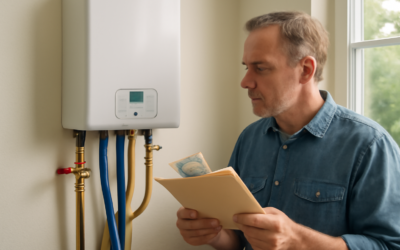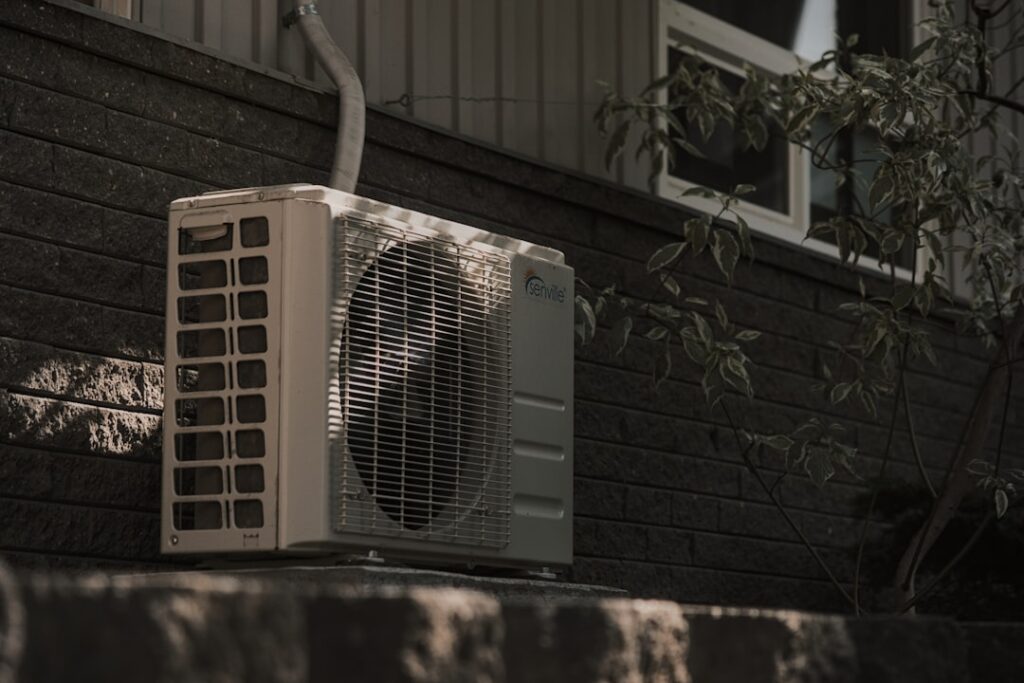
Switching to a heat pump is far more affordable when a utility program covers a big chunk of the cost. The Mass Save heat pump rebate offers Massachusetts residents substantial incentives to install energy-efficient air-source heat pumps, potentially saving thousands of dollars. This guide explains eligibility, rebate amounts, the whole-home versus partial rules, and how to apply.
- What Mass Save Is
- Why Heat Pumps Qualify
- Whole-Home vs Partial-Home Rebates
- Typical Rebate Amounts
- Eligibility Basics
- The Home Energy Assessment
- Income-Based Enhanced Incentives
- How to Apply
- Stacking With Federal Incentives
- Renters and Multi-Family Buildings
- Ductless vs Ducted Rebate Considerations
- Heat Pump Loan Options
- Equipment Efficiency Requirements
- Timeline and What to Expect
- Common Reasons Rebates Are Denied
- Long-Term Savings Beyond the Rebate
- Final Takeaway
What Mass Save Is
Mass Save is a collaborative of Massachusetts gas and electric utilities and energy providers that offers rebates, incentives, and no-cost energy assessments to help residents improve efficiency. Heat pumps are a centerpiece of its programs because they replace fossil-fuel heating with efficient electric heating and cooling. Program details and dollar amounts are updated periodically, so always confirm current terms on the official Mass Save website before planning.
Why Heat Pumps Qualify
Air-source heat pumps move heat rather than generating it by burning fuel, making them two to four times more efficient than electric resistance heat and cleaner than oil or gas. Massachusetts has aggressive climate goals, and electrifying home heating is a major lever. That is why the rebate amounts for heat pumps are among the most generous in the Mass Save catalog.
Whole-Home vs Partial-Home Rebates
A crucial distinction shapes how much you receive.
- Whole-home installation: If the heat pump becomes the sole heating source and you remove or disable the old fossil-fuel system, the rebate is significantly larger, historically up to several thousand dollars.
- Partial-home installation: If the heat pump supplements an existing furnace or boiler that remains in service, the rebate is smaller, calculated per outdoor ton of capacity.
The program rewards fully displacing fossil-fuel heating, so plan your project around which path fits your home and budget.
Typical Rebate Amounts
Rebate values change over time, but historically the whole-home heat pump rebate has reached up to about $10,000 for qualifying installations, while partial-home rebates are paid per ton of capacity. Actual amounts depend on your utility, equipment efficiency, and whether you meet whole-home criteria. Verify the current figures directly with Mass Save, as these programs adjust annually.
Eligibility Basics
To qualify, you generally need to meet several conditions:
- Be a customer of a participating Mass Save utility contributing to the energy-efficiency charge on your bill
- Install qualifying high-efficiency equipment that meets the program’s HSPF and SEER ratings
- Use a properly licensed installer, often required to be part of the Heat Pump Installer Network
- Complete required documentation and, in many cases, a home energy assessment
The Home Energy Assessment
Mass Save offers a no-cost home energy assessment where an advisor evaluates insulation, air sealing, and heating. Completing it can unlock additional insulation and weatherization incentives, and a well-sealed, insulated home lets a smaller, cheaper heat pump do the job. It is often the smart first step before installing a heat pump.
Income-Based Enhanced Incentives
Income-eligible households may qualify for enhanced rebates and, in some cases, no-cost weatherization and equipment through Mass Save’s income-based programs. If your household income falls within the program thresholds, the out-of-pocket cost for a heat pump can drop dramatically. Ask your utility or a participating contractor about enhanced incentives when you apply.
How to Apply
The application process is generally straightforward when you use a participating contractor.
- Schedule a no-cost Mass Save home energy assessment
- Get quotes from installers in the Heat Pump Installer Network
- Confirm the equipment meets program efficiency requirements
- Have the system installed, keeping all invoices and specifications
- Submit the rebate application with required documentation, or let your contractor handle it
Stacking With Federal Incentives
The Mass Save rebate can often be combined with federal tax credits for heat pumps, which historically cover a percentage of the cost up to an annual cap under federal energy-efficiency programs. Combining a state rebate with a federal tax credit can slash the net cost of a heat pump significantly. Consult a tax professional to confirm current federal credit rules and how they apply to your situation.
Renters and Multi-Family Buildings
Eligibility is not limited to single-family homeowners. Mass Save offers programs for renters, landlords, and multi-family buildings, though the process differs. Renters generally need landlord cooperation since the equipment is a permanent improvement, and there are dedicated pathways and incentives for one-to-four-unit and larger multi-family properties. Building owners can often access enhanced incentives for whole-building electrification. If you rent or own a multi-unit property, contact Mass Save directly to identify the right program, because the standard single-family rebate application may not fit your situation and a tailored path could offer more.
Ductless vs Ducted Rebate Considerations
The type of heat pump you install can affect both cost and comfort within the program. Ductless mini splits are simpler to install in homes without existing ductwork and are common in older Massachusetts housing stock. Ducted or central heat pumps suit homes that already have ductwork and want a whole-home solution with hidden equipment. Both can qualify for the rebate if they meet efficiency requirements, but a whole-home rebate requires the heat pump to fully replace the fossil-fuel system regardless of type. Your installer can advise which configuration best fits your home’s layout and maximizes your incentive.
Heat Pump Loan Options
Mass Save has offered the HEAT Loan, a zero-interest financing option for qualifying energy-efficiency improvements including heat pumps, spreading the remaining cost over several years with no interest. This makes the upfront investment far more manageable even after rebates. Check current loan availability and terms when you plan your project.
Equipment Efficiency Requirements
Not every heat pump qualifies; the program sets minimum efficiency thresholds. Systems generally must meet specified HSPF2 heating and SEER2 cooling ratings, and cold-climate performance is often required so the unit heats effectively in a Massachusetts winter. Ducted, ductless, and central heat pumps can all qualify if they meet the specs. Your installer should confirm the exact model appears on the qualifying products list before you buy, because installing equipment that misses the threshold by a small margin disqualifies the whole rebate.
Timeline and What to Expect
Plan for a process that spans several weeks. After scheduling the no-cost home energy assessment, you typically wait days to a couple of weeks for the appointment. Collecting installer quotes and comparing them takes another week or two. Installation itself is usually one to three days for a typical home. The rebate is paid after installation and paperwork submission, often arriving by check or bill credit within four to eight weeks. Starting the process well before peak heating or cooling season avoids installer backlogs.
Common Reasons Rebates Are Denied
Avoid the pitfalls that cost homeowners their incentives. The most frequent problems are using a non-participating installer, choosing equipment that misses the efficiency requirements, or, for whole-home rebates, failing to properly decommission the old fossil-fuel system as required. Incomplete documentation, missing invoices, or submitting after a program deadline can also derail a claim. Working with an installer in the Heat Pump Installer Network, who handles the paperwork and knows the current rules, dramatically reduces the risk of denial.
Long-Term Savings Beyond the Rebate
The rebate is only part of the financial picture. A heat pump replacing oil or propane heat can cut annual heating costs substantially, since it delivers several units of heat per unit of electricity. It also adds efficient air conditioning, potentially replacing window units. Over a 15-year lifespan, the operating savings often exceed the rebate itself. Combined with the upfront incentive, federal tax credits, and zero-interest financing, the total lifetime value of switching can be significant for a Massachusetts household.
Final Takeaway
The Mass Save heat pump rebate can substantially reduce the cost of electrifying your home heating, especially with a whole-home installation that fully replaces fossil-fuel heat. Start with a no-cost energy assessment, use a network installer, confirm current rebate amounts, and explore stacking federal credits and zero-interest financing. With the incentives in place, a high-efficiency heat pump becomes an affordable upgrade for Massachusetts homeowners.