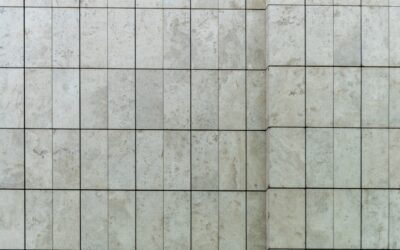
Matte quartz countertops trade the high-gloss shine of traditional quartz for a soft, low-glare surface that has become one of the most requested looks in modern kitchens. The finish, sometimes called honed or suede, reads as understated and contemporary, hides reflections and harsh lighting, and pairs beautifully with both minimalist and warm, organic designs. But a matte surface behaves differently from a polished one in daily use. This guide covers the benefits, the trade-offs, maintenance, cost, and how matte compares to polished so you can decide if it fits your home.
Part of our Countertops guide — explore the full guide →
What Makes a Quartz Finish Matte
Engineered quartz is made from roughly 90 percent ground natural quartz bound with resins and pigments. The finish is applied during manufacturing. A polished finish is buffed to a reflective shine, while a matte finish is processed to scatter light rather than reflect it, producing a flat, velvety appearance. Some manufacturers call this honed, suede, concrete, or volcanic depending on the texture.
The result is a surface that looks soft and natural, closer to honed marble or concrete than glossy stone. Because matte finishes diffuse light, they downplay the sparkle of quartz and emphasize color and depth instead, which is exactly the appeal for many homeowners.
The Benefits of a Matte Finish
A matte surface offers several practical and aesthetic advantages that go beyond simply looking modern.
- Low glare: matte finishes cut reflections from windows and overhead lighting, which is easier on the eyes in bright kitchens.
- Hides water spots and streaks: the non-reflective surface disguises light splashes and dried droplets better than gloss.
- Soft, sophisticated look: the finish reads as understated and high-end, complementing matte cabinetry and fixtures.
- Disguises minor scratches: fine surface marks blend in more easily than on a mirror-like polished slab.
- Pairs with many styles: works in modern, farmhouse, industrial, and transitional kitchens alike.
For homeowners who find glossy counters too flashy or who battle glare in a sun-filled kitchen, a matte finish is a welcome alternative that still delivers the durability quartz is known for.
The Trade-Offs to Consider
No finish is perfect, and matte quartz has a few quirks worth knowing before you commit. Ironically, while it hides water spots and scratches, it can show some other marks more readily.
- Fingerprints and smudges: matte surfaces, especially darker colors, can show oily fingerprints more than polished ones.
- Shows certain residues: some users find that grease and certain stains are more visible until wiped.
- Slightly more cleaning attention: the texture can hold onto fine residue, so regular wiping keeps it looking its best.
- Limited color selection: not every quartz color is offered in a matte finish, so options can be narrower.
None of these are deal-breakers, but they explain why matte is a matter of preference. Darker matte slabs in particular reward frequent wiping, so if you want a low-fuss dark counter, that is worth factoring in.
Durability and Heat Resistance
The good news is that matte quartz countertops are just as durable as their polished counterparts, because the finish is cosmetic, not structural. Quartz is hard, non-porous, and highly resistant to scratches and stains, which is why it rivals granite in popularity. The matte surface does not make the material weaker.
That said, quartz of any finish is not heatproof. The resins that bind it can be damaged by sudden high heat, so always use trivets and hot pads rather than setting hot cookware directly on the surface. Quartz also can fade or discolor under prolonged direct sunlight, so it is best suited to indoor kitchens rather than sun-drenched outdoor counters.
Cleaning and Maintenance
Because quartz is non-porous, it never needs sealing, which is a major advantage over natural stone. Day-to-day care for a matte finish is simple, with a focus on regular wiping to keep smudges at bay.
- Wipe daily with warm water and a few drops of mild dish soap on a soft cloth.
- Buff dry to remove any film, especially on dark matte colors.
- For fingerprints, a quartz-safe cleaner or a little glass cleaner usually lifts the oils.
- Avoid abrasive scrubbers and harsh chemicals like bleach or high-alkaline cleaners that can dull the finish.
- Wipe spills promptly, even though quartz resists staining, to keep the surface pristine.
The key habit with matte quartz is consistent, gentle wiping. Because it is non-porous, you do not need to baby it the way you would marble, but a quick daily wipe keeps the soft finish looking flawless.
Matte vs Polished Quartz
Choosing between finishes comes down to look and lifestyle rather than performance. Polished quartz reflects light, makes colors and patterns appear deeper and more vibrant, and tends to hide fingerprints better. Matte quartz softens the room, reduces glare, and creates a more natural, understated vibe.
If your kitchen has dramatic lighting or large windows that create glare, matte can be the more comfortable choice. If you love a bright, glossy, easy-wipe surface and want maximum color depth, polished may suit you better. Many homeowners view a sample of each under their own lighting before deciding, since the two finishes can look surprisingly different on the same slab.
Cost Expectations
Matte and polished quartz are usually priced similarly, since the finish is a manufacturing step rather than a different material. Treat these as installed estimates that vary by brand, color, and region. Quartz commonly runs about $50 to $120 per square foot installed, with premium designer lines reaching $150 or more. Some specialty matte or textured finishes may carry a small upcharge depending on the manufacturer.
When budgeting, remember that quartz pricing includes fabrication and installation, which involve precise templating and cutting. Getting quotes from a few local fabricators is the best way to pin down real numbers for your project and your chosen color.
Before you finalize a matte slab, request a full-size sample rather than a small chip, and live with it in your kitchen for a few days. Set it near your sink, run it under your task lighting at night, and press your fingers on it to see how readily smudges appear and wipe away. This simple test reveals whether the finish suits your habits far better than a showroom glance. With its blend of durability, low maintenance, and a calm, modern aesthetic, matte quartz remains a smart investment for kitchens and baths alike.