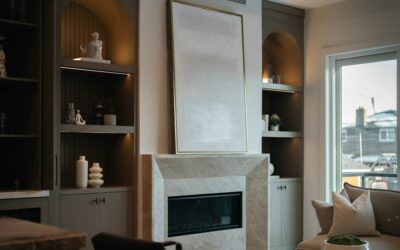
Green has quietly overtaken grey as the color designers reach for when a room needs life, and paired with clean contemporary design it feels fresh rather than fussy. A modern green rug delivers that combination, trading the ornate medallions of traditional rugs for abstract shapes, tonal textures, and minimalist geometry that suit today’s open, uncluttered interiors. This guide breaks down the patterns that define the modern look, the shades that work in contemporary spaces, the materials to consider, and how to style green so it reads as deliberate and current.
- What Makes a Rug "Modern"
- Modern Pattern Directions
- Choosing a Contemporary Green
- Why Green Suits Modern Interiors
- Materials for a Modern Look
- Styling a Modern Green Rug
- Green in Modern Design Styles
- Pairing Green With Other Colors
- Choosing the Right Pile and Texture
- Sizing a Modern Green Rug
- Care and Placement
What Makes a Rug “Modern”
Modern design is defined by restraint and clean lines, and modern rugs follow suit. Instead of intricate borders and busy florals, you get abstract brushstrokes, irregular organic shapes, bold geometry, or simple tonal texture with no pattern at all. The palette is usually more edited, letting one or two colors carry the whole piece.
This pared-back approach is exactly why a modern green rug works in a contemporary room. It brings color and warmth without the visual weight of a traditional design, so it complements minimalist furniture rather than competing with it.
Modern Pattern Directions
Contemporary green rugs come in a few distinct pattern families, each with a different energy:
- Abstract and watercolor: Soft, blurred washes of green that feel artful and organic
- Geometric: Clean lines, grids, and shapes for a crisp, architectural look
- Solid and tonal texture: A single green with high-low pile or subtle heathering for understated depth
- Organic and biomorphic: Irregular, nature-inspired curves that echo the outdoors
- Minimalist line work: Sparse lines or a single motif on an open field
For a truly modern feel, a solid or tonal green with interesting texture is the most versatile, while an abstract print makes more of a statement.
Choosing a Contemporary Green
The shade of green sets whether the room feels serene or energetic. Match the tone to your space:
- Sage and soft green: The most popular modern shade, calming and easy to live with
- Emerald and jewel green: Saturated and luxe, a bold anchor for a minimalist room
- Olive and moss: Earthy and grounded, perfect for organic modern and Japandi styles
- Chartreuse and lime: Punchy and energetic, best used as a deliberate pop
Sage dominates modern interiors because it acts almost like a neutral, while emerald delivers the drama when a contemporary room can carry a strong focal point.
Why Green Suits Modern Interiors
Contemporary spaces often lean heavily on neutrals: white walls, grey sofas, black metal, and natural wood. That restraint is elegant but can feel cold, and green is the perfect antidote. It introduces the one thing a neutral room lacks, a connection to nature, without breaking the calm, edited aesthetic.
Green also happens to be central to the biophilic design movement, which brings natural elements indoors for a more restful home. A modern green rug reinforces that connection underfoot, pairing beautifully with houseplants, wood tones, and natural light.
Materials for a Modern Look
Texture is a big part of contemporary style, and the fiber delivers it. Wool offers rich color and a plush, high-quality feel with excellent durability. Low-pile flatweaves and wool-blend loop piles give the clean, streamlined profile that suits modern furniture.
Synthetics like polypropylene provide fade resistance and easy cleaning for busy modern homes, and many now convincingly mimic wool’s texture. For an organic-modern vibe, a green wool-and-jute blend or a natural-fiber rug with a green wash brings tactile warmth that pairs with rattan and light wood.
Styling a Modern Green Rug
Let the rug breathe. Modern rooms rely on negative space, so keep a generous border of bare floor around the rug and avoid crowding it with too much furniture. Pair a bold emerald rug with plenty of neutral upholstery so the green stands out cleanly against a calm backdrop.
Echo the green in one or two spots, a plant, a piece of abstract art, a single accent chair, so it reads as an intentional part of the scheme. Balance the cool of the green with warm materials like walnut, brass, or leather, which keeps a minimalist room from feeling stark. Restraint is the whole point; a little repetition goes a long way.
Green in Modern Design Styles
A modern green rug adapts to several contemporary aesthetics, each using green a little differently. In Scandinavian and minimalist rooms, a soft sage or muted green flatweave adds a gentle, nature-linked accent to the signature white-and-wood palette. In Japandi interiors, an earthy olive or moss grounds the calm, organic mix of Japanese restraint and Scandinavian warmth.
Mid-century modern spaces can carry a bolder emerald or a graphic geometric green that plays off walnut furniture and clean lines. Contemporary glam leans into a lush emerald with brass and velvet for a jewel-toned statement. Whatever the style, green reads as intentional and current, which is exactly why it has become a designer favorite across the modern spectrum.
Pairing Green With Other Colors
Green is unusually easy to combine, which is part of its modern appeal. A few reliable pairings:
- Green and white: Crisp, fresh, and endlessly clean-looking
- Green and wood tones: Warm, organic, and grounded
- Green and black: High-contrast, bold, and architectural
- Green and blush or terracotta: A soft, on-trend complementary pairing
- Green and brass or gold: Luxe and sophisticated against the cool green
Because green sits opposite red-based tones on the color wheel, it also pairs strikingly with rust, terracotta, and blush for a modern complementary scheme that feels fresh rather than expected.
Choosing the Right Pile and Texture
In modern design, texture often does the work that pattern does in traditional rooms, so pile matters. A low-pile flatweave gives the clean, streamlined profile that suits minimalist furniture and shows off a solid green or crisp geometric. A cut-and-loop or high-low pile adds subtle dimension to a tonal green without introducing busy pattern.
Plush, deeper piles bring cozy warmth to a modern bedroom or reading nook, softening the hard edges of contemporary furniture. Match the pile to the room’s job: low and tight for high-traffic, streamlined spaces, and plush for spots where comfort underfoot matters most. The texture you choose is a big part of whether the rug reads as sleek or inviting.
Sizing a Modern Green Rug
Scale is part of what makes a rug read as modern, so size it generously. Contemporary rooms favor larger rugs that unify a furniture grouping, so choose one big enough to sit under at least the front legs of your seating, and ideally under all of them for the cleanest look. A rug that is too small breaks the calm, cohesive feel modern design depends on.
In an open-plan space, use a properly sized green rug to carve out and define the living zone within the larger area, letting its edges signal where one function ends and another begins. In a bedroom, extend it well past the sides of the bed. Getting the scale right is often the difference between a room that looks intentionally designed and one that feels slightly off without your being able to say why.
Care and Placement
Use a non-slip pad beneath the rug for grip and cushion, and position it so it grounds a furniture grouping rather than floating alone. In a living room, float the front legs of the sofa and chairs on the rug to tie the seating together; in a bedroom, extend it out from under the bed on the sides you step onto.
Vacuum regularly, rotate the rug so it fades and wears evenly, and blot spills promptly. Kept up, a modern green rug stays a crisp, contemporary anchor that brings the calming pull of nature into an otherwise neutral, minimalist room.