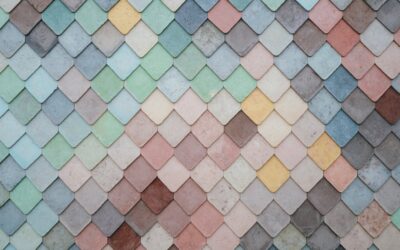
People often shy away from bold floors, but a well-chosen multi color rug is one of the smartest decorating tools you can buy. Because it already contains several colors, it hands you a ready-made palette for the entire room, pull your throw pillows, curtains, and art from the rug and everything instantly looks coordinated. It also does something practical that solid rugs cannot: the mix of tones hides crumbs, pet hair, and everyday stains far better than a single flat color.
The fear is that multiple colors will look chaotic. Handled with a few simple rules, a colorful rug reads as intentional and pulled-together rather than busy.
- Why Choose a Multi Color Rug?
- How to Choose the Right One
- Styling Around a Colorful Rug
- Best Rooms for a Multi Color Rug
- Materials and Durability
- Common Mistakes to Avoid
- Popular Multi Color Rug Styles
- Using Color to Zone Open Spaces
- Matching a Rug to Your Wall Color
- Is a Multi Color Rug Right for You?
Why Choose a Multi Color Rug?
The biggest advantage is that it does the color planning for you. Interior designers often start a room with a patterned rug precisely because it establishes a cohesive palette. You do not have to guess whether your blue sofa and rust curtains work together, the rug already proves they do by combining them in one piece.
The second advantage is forgiveness. In a busy household, solid cream and gray rugs show every spill and paw print. A rug that blends golds, blues, greens, and reds masks that daily wear, so it stays looking clean between cleanings. For living rooms, dining rooms, and kids’ spaces, that is a real quality-of-life upgrade.
How to Choose the Right One
Not every colorful rug suits every room. Use these guidelines to narrow the field.
- Count your dominant color: Most multi color rugs still have one leading tone. Make sure that dominant color works with your largest furniture pieces.
- Match the undertone: Warm rugs (reds, golds, terracotta) suit warm woods and cozy rooms; cool rugs (blues, greens, grays) suit cooler, airier spaces.
- Consider the pattern scale: Large, bold patterns make a statement in big rooms; smaller, denser patterns feel calmer and suit compact spaces.
- Think about mood: Vibrant, high-contrast rugs energize a room, while soft, blended multicolor pieces feel relaxed.
Styling Around a Colorful Rug
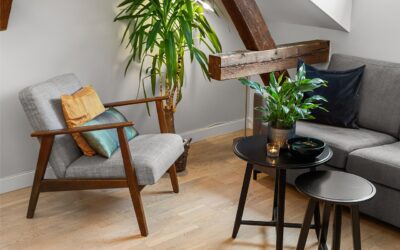
The golden rule is to let the rug lead. When the floor carries the color and pattern, keep the big upholstered pieces, sofas, chairs, and curtains, in solid, neutral, or tonal fabrics. This gives the eye a place to rest and lets the rug shine instead of competing with a busy sofa.
Then echo the rug elsewhere in small doses. Pull two or three of its colors into throw pillows, a vase, artwork, or a lampshade. Repeating a rug color in a couple of accents across the room makes the whole space feel deliberate. You do not need to match every shade, just enough to create a visual thread.
Best Rooms for a Multi Color Rug
A colorful rug earns its keep almost anywhere, but it shines in specific spots. In a living room, it anchors the seating group and sets the palette for the whole space. In a dining room, it hides the inevitable food drops under the table. In a child’s room or playroom, it is fun, practical, and stain-forgiving. And in an entryway, a bold rug makes a welcoming first impression while disguising tracked-in dirt.
In open-plan homes, a single multi color rug can also unify a great room by tying together colors that appear in separate zones, linking the kitchen, dining, and living areas with one shared palette.
Materials and Durability
Because these rugs often go in busy rooms, choose a fiber that can take it. Wool holds color beautifully, resists stains, and lasts for decades, making it a premium pick for living and dining rooms. Polypropylene and polyester deliver vivid, fade-resistant color at a lower price and clean up easily, which suits homes with kids and pets. For a casual look, washable cotton multicolor rugs offer the ultimate in easy care.
Whatever the fiber, a good rug pad extends the rug’s life, keeps it from sliding, and adds comfort underfoot. It is a small add-on that protects a rug you will likely keep for years.
Common Mistakes to Avoid
The main pitfall is doubling up on pattern. Pairing a busy multicolor rug with equally busy patterned furniture and wallpaper creates visual noise. Let the rug be the star and keep large surfaces calm. Another mistake is buying a rug too small for the room, which makes even a gorgeous pattern look like an afterthought floating in the middle of the floor.
Finally, do not chase an exact match between the rug and your other pieces. A room where everything matches perfectly feels flat and forced. Coordinating, not matching, is what makes a colorful room feel collected and alive.
Popular Multi Color Rug Styles
Colorful rugs span many looks, and the style shapes how the color reads. Persian and Oriental rugs blend deep reds, blues, and golds into intricate patterns that feel timeless and formal. Kilim and southwestern rugs use bold geometric bands of color for a warm, eclectic vibe. Bohemian and patchwork rugs mix many hues and motifs for a relaxed, collected feel.
Modern abstract and watercolor rugs scatter color in loose, artful ways that suit contemporary rooms. Distressed or vintage-wash rugs soften multiple colors into a faded, muted palette that is easier to live with than bright, saturated tones. Deciding whether you want your color bold and graphic or soft and blended narrows the search quickly and points you toward the right style.
Using Color to Zone Open Spaces
In open-concept homes, a multi color rug is a powerful tool for defining areas without walls. Placing a colorful rug under the living room seating group visually separates it from the adjacent dining or kitchen zone, giving each space its own identity while a shared color thread keeps the whole area cohesive.
You can carry two or three of the rug’s colors into each zone, a pillow here, a vase there, a chair cushion beyond, so the eye reads the areas as connected rooms rather than one undivided space. This is especially useful in apartments and lofts where a single large room serves several functions. The rug anchors the main gathering spot and its palette becomes the guide for pulling the rest of the open floor plan together.
Matching a Rug to Your Wall Color
A multi color rug and your wall color have to get along, and there is an easy way to make sure they do. If your walls are a bold or saturated color, choose a rug that includes that shade somewhere in its pattern so the two connect instead of clashing. When the walls are neutral, white, greige, or soft gray, you have free rein to let the rug bring all the color to the room.
Pay attention to undertone as much as hue. A rug full of warm reds, oranges, and golds pairs best with warm-toned walls and wood, while a cool rug of blues, greens, and grays suits cooler wall colors. If you are painting after buying the rug, pull a quiet background color from the rug itself for the walls; it is a foolproof way to guarantee the whole room feels coordinated. Bring a rug swatch or photo when choosing paint, since colors shift under different lighting.
Is a Multi Color Rug Right for You?
If you want a room to feel coordinated, lively, and low-maintenance all at once, a multi color rug is hard to beat. It builds your palette for you, hides everyday mess, and adds personality that a solid rug never could. Choose one whose dominant tone and undertone fit your furniture, keep your large pieces neutral, echo a few of the rug’s colors in accents, and your space will look designed rather than decorated by accident.