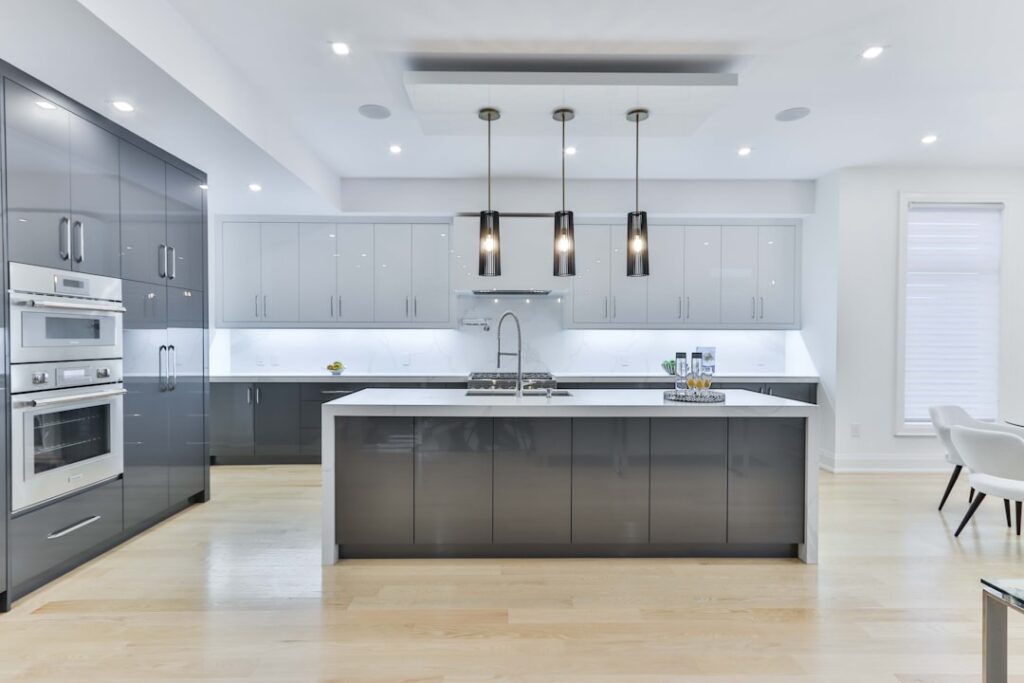
If your cabinet boxes are solid but the doors look tired, replacing just the doors is one of the smartest remodels you can make, and Nieu Cabinet Doors is one of the brands built specifically for that job. The company makes custom replacement cabinet doors and drawer fronts sized to fit your existing cabinets, so you keep the boxes you already have and swap in fresh fronts. This approach, known as refacing, delivers a new-kitchen look for a fraction of full replacement cost. I have guided plenty of homeowners through it, and the results can be genuinely striking when the process is done carefully.
Part of our Kitchen Remodeling guide — explore the full guide →
The catch is that refacing lives or dies on accurate measuring and honest expectations. Order custom doors to the wrong dimensions and you have paid for pieces that will not hang right. Below I will explain how ordering works, what materials and styles you can choose, how to measure, and how the cost stacks up against tearing everything out.
- What Refacing With Replacement Doors Actually Means
- The Ordering Process, Step by Step
- Materials and Styles to Choose From
- How to Measure for Replacement Doors
- Matching Hinges, Overlays, and Boring
- DIY Versus Hiring a Professional
- Cost Versus Full Cabinet Replacement
- Is Door Refacing Right for Your Kitchen?
What Refacing With Replacement Doors Actually Means
Refacing keeps your cabinet boxes, hinges locations, and general layout, and replaces the visible surfaces. In a full reface you swap the doors and drawer fronts and apply a matching veneer or laminate skin to the exposed box faces and end panels. A door-only refresh is even simpler: new doors and fronts on the existing boxes, leaving the box faces as they are or painted to blend.
Companies like Nieu Cabinet Doors specialize in the made-to-order door itself. You send your sizes, pick a style and finish, and they build each door to your exact measurements. It is the difference between buying a stock door and hoping it fits, versus getting a door cut precisely for your opening.
The Ordering Process, Step by Step
Ordering custom replacement doors follows a fairly consistent path regardless of which company you use:
- Inventory your cabinets. Count every door and drawer front and note whether each is a door, a false front, or a drawer face.
- Measure each opening and existing door. Precision here is everything, and I cover the method below.
- Choose your style and material. Shaker, flat-panel, raised-panel, and beadboard are common options in paint-grade or wood species.
- Pick a finish. Painted, stained, or unfinished if you plan to finish them yourself.
- Specify hinge and boring details. Many companies pre-drill for concealed cup hinges if you tell them the overlay and hinge type.
- Review and confirm. Double-check the cut list before it goes to production, since custom orders are rarely returnable.
Lead times for custom doors typically run three to six weeks. Order everything at once so finishes match, because paint and stain batches can vary slightly between orders.
Materials and Styles to Choose From
Replacement door programs usually offer a tiered menu of materials, each with a different look, durability, and price:
- MDF paint-grade: Smooth, stable, and ideal for a painted finish with no visible grain. The most popular choice for a clean modern or shaker look.
- Solid wood (maple, oak, cherry): Best for stained finishes where you want natural grain. Costs more and can move slightly with humidity.
- Thermofoil: A vinyl layer heat-sealed over MDF. Seamless, easy to clean, and affordable, though it can peel near heat sources over time.
- Laminate and melamine: Durable, budget-friendly, and available in many colors and wood looks.
Style follows the same logic as any cabinet. Shaker is the safe, timeless default. Flat slab doors read modern. Raised panel leans traditional. Match the new doors to your home’s era, or use the reface as a chance to modernize a dated raised-panel kitchen into clean shaker.
How to Measure for Replacement Doors
Accurate measuring is the part homeowners fear, but the method is straightforward if you go slowly. Most kitchens use overlay doors, meaning the door sits on top of the frame and covers part of it. Here is the reliable approach:
- Measure the width and height of an existing door that fits correctly, to the nearest 1/16 inch
- Measure the cabinet opening itself as a cross-check
- Confirm your overlay by measuring how far the current door extends past the opening on each side
- Note hinge type, cup diameter, and the boring location from the door edge
- Label every door with a room map so each new piece goes back in the right place
When in doubt, order using your existing door sizes rather than recalculating overlays from scratch. If your old doors fit, matching their dimensions is the lowest-risk path. Many companies also offer a measuring guide and phone support, and using it is well worth the time given that custom doors cannot be returned.
Matching Hinges, Overlays, and Boring
The single most common refacing headache is hardware that does not line up, and it is entirely avoidable with a little homework before you order. Most modern kitchens use concealed European cup hinges, which require a 35-millimeter bored hole on the back of the door at a specific distance from the edge. If your new doors are bored to different specs than your old ones, the doors will not sit flush and the hinges will fight you.
Before ordering, note three things about your existing setup. First, the overlay, meaning how far the door covers the frame, which is usually a half-inch or full overlay. Second, the hinge cup size and its distance from the door edge. Third, whether your cabinets are framed, with a face frame around each opening, or frameless. Send these details with your order so the doors arrive pre-bored to drop onto your existing hinge plates. If you are unsure, remove one door, photograph the hinge, and measure the cup location before you buy a single thing.
DIY Versus Hiring a Professional
Hanging replacement doors is well within reach for a handy homeowner, especially when the doors arrive pre-bored and pre-finished. The work is methodical rather than difficult:
- Remove the old doors and drawer fronts and label each opening on a room map
- Attach the new hinges to the pre-bored cups on the fresh doors
- Clip the doors onto the existing hinge plates in the boxes
- Adjust the three hinge screws to align gaps and get every door sitting even
- Install new pulls and knobs, using a template for consistent placement
Budget a weekend for an average kitchen and expect the alignment step to take the most patience. Where I recommend hiring out is a full reface that includes applying veneer to the box faces and end panels, since that skin work is unforgiving and shows every flaw. A professional reface of an average kitchen runs $4,000 to $9,000 installed, still far below a tear-out. If you are only swapping doors and fronts, doing it yourself can cut that figure roughly in half.
Cost Versus Full Cabinet Replacement
This is where refacing earns its reputation. Ripping out and replacing all the cabinets in an average kitchen runs $8,000 to $25,000 or more once you add boxes, installation, and countertop work disturbed in the process. Refacing with replacement doors typically lands at $1,500 to $6,000 for the doors and fronts, plus your own labor if you hang them yourself.
The math works because you are keeping the most expensive structural part, the boxes, and the layout that is already plumbed and wired. As long as your boxes are sound, with solid frames and working drawer glides, refacing gives you 80 percent of the visual transformation for a small fraction of the price. If your boxes are water-damaged, sagging, or you want to change the layout entirely, full replacement is the better call.
Is Door Refacing Right for Your Kitchen?
Reface when the bones are good and the look is the problem. Structurally sound boxes, a layout you can live with, and dated or damaged doors add up to a perfect refacing candidate. Choosing custom replacement doors from a specialist like Nieu Cabinet Doors gets you an exact fit and a wide menu of styles without the mess and expense of a full tear-out.
Go in with careful measurements, order all your doors together for finish consistency, and confirm your hinge and overlay details before production. Do that groundwork and a set of well-made replacement doors will make an old kitchen look brand new, for thousands less than starting over.