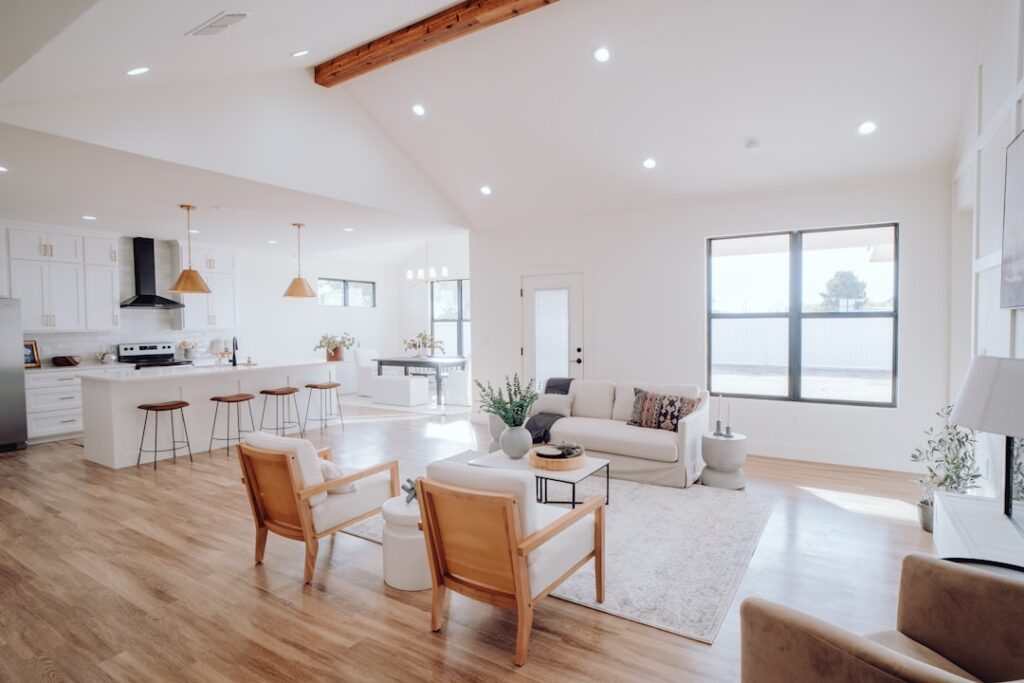
If your kitchen layout works but the cabinets look tired, wood cabinet refacing can hand you a fresh kitchen for a fraction of the price of tearing everything out. Refacing keeps your existing cabinet boxes and simply replaces the doors, drawer fronts, and visible surfaces. Done well, the result is indistinguishable from new cabinetry, and you avoid the demolition, dust, and downtime of a full replacement.
Part of our Kitchen Remodeling guide — explore the full guide →
This guide explains exactly what refacing involves, what it costs, and how to judge whether it is the smart move for your home.
What Refacing Actually Means
Cabinet refacing leaves the structural boxes in place and renews everything you see. A typical project includes new solid-wood or wood-veneer doors and drawer fronts, a matching veneer or laminate skin applied to the exposed cabinet sides and face frames, and new hinges and hardware. Many homeowners add soft-close hinges and full-extension drawer slides at the same time, which dramatically improves how the kitchen feels day to day.
It helps to distinguish refacing from two cheaper and one pricier alternative. Refinishing simply sands and repaints or restains existing doors. Refacing replaces the doors and covers the boxes with new material. Replacement removes everything down to the wall. Refacing sits in the middle, offering a genuinely new look without new boxes.
What It Costs
Refacing typically runs from about $4,000 to $10,000 for an average kitchen, though large kitchens with premium wood doors can push higher. The main variables are the number of cabinets, the door material, and whether the work is DIY or professional.
- Laminate or rigid thermofoil: The most affordable surfacing, often at the lower end of the range.
- Wood veneer: A mid-range choice that gives a real-wood appearance over the boxes.
- Solid-wood doors: The premium option, adding cost but delivering the most authentic look and durability.
By comparison, full custom cabinet replacement commonly starts at $15,000 and climbs well beyond $30,000. Refacing usually saves 30 to 50 percent versus replacement while delivering most of the visual payoff.
The Refacing Process Step by Step
Whether you hire out or DIY, the sequence is similar.
- Assess the boxes. Confirm the existing cabinets are structurally sound. Refacing only makes sense if the boxes are solid.
- Remove old doors and hardware. Take off doors, drawer fronts, hinges, and pulls.
- Prep surfaces. Clean and lightly sand the face frames and exposed sides so the new veneer adheres.
- Apply veneer or laminate. Cut and bond the new skin to all visible box surfaces, smoothing out bubbles.
- Install new doors and fronts. Hang the new doors with new hinges, attach drawer fronts, and adjust for even gaps.
- Add hardware. Install pulls and knobs, then make final alignment tweaks.
A professional crew usually completes a kitchen in two to four days. A careful DIYer should budget a couple of weekends and expect a learning curve with veneer application.
The Advantages
Beyond cost, refacing has real practical benefits. The kitchen stays usable during the work, since the boxes, countertops, and plumbing remain in place. There is far less waste, which matters if you would rather not send perfectly good cabinet boxes to a landfill. And the project is fast, often wrapping up before a full remodel would even clear demolition.
The Limitations
Refacing is a cosmetic upgrade, not a layout change. If your kitchen flow is wrong, if you want to move the sink, or if you need different cabinet sizes, refacing cannot deliver that. It also depends entirely on the condition of the existing boxes. Water-damaged, warped, or particleboard cabinets that are falling apart are not worth refacing. And while the doors are new, the interior shelving and configuration stay the same unless you replace those separately.
Choosing Your Door Style and Finish
Since the doors are the most visible element, your selections here define the whole look. Shaker doors with a recessed flat panel remain the most popular for their clean, timeless appeal that suits both traditional and modern kitchens. Raised-panel doors read more traditional, while flat-slab doors lean contemporary. Color is just as impactful: crisp white and soft gray dominate current kitchens, while natural wood tones and deep navy or green offer warmth and contrast.
Think about durability alongside style. Painted finishes look fresh but can chip over years of use, while stained wood hides wear better. Thermofoil resists moisture but can peel near heat sources like ovens. Match the finish to how hard your kitchen works, and order a sample door to see the color in your own lighting before committing.
DIY vs. Hiring a Pro
Refacing sits in an interesting middle ground for DIYers. Hanging new doors and swapping hardware is well within reach of a confident homeowner, but applying veneer smoothly to the face frames and box sides is the tricky part. Bubbles, lifted edges, and visible seams are common first-timer mistakes, and they are hard to hide. If you are handy and patient, a DIY refacing can cut the project cost roughly in half. If a flawless, furniture-grade result matters to you, a professional crew brings the tools and experience to make the veneer look factory-applied. Be honest about your skills before deciding, because a botched veneer job is harder to fix than it was to attempt.
Refacing vs. Replacement: How to Decide
Choose refacing when the layout suits you, the boxes are sturdy, and your goal is a new look on a controlled budget. Choose replacement when you want to change the floor plan, the existing cabinets are damaged beyond repair, or you are gutting the kitchen anyway for new flooring, plumbing, and electrical. A quick test: if you would keep the cabinets exactly where they are and only wish they looked better, refacing is almost certainly your best value.
The Bottom Line
Wood cabinet refacing is one of the highest-impact, lowest-disruption upgrades available in a kitchen. For roughly half the cost of new cabinets, you get fresh doors, updated hardware, and a cohesive new look while keeping a functional layout intact. As long as your boxes are sound and you are happy with the kitchen’s footprint, refacing is a smart, money-saving way to make an old kitchen feel new again.