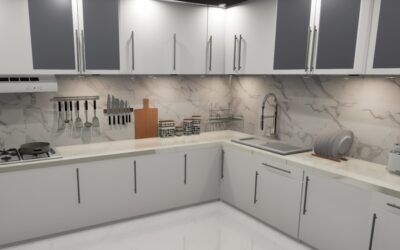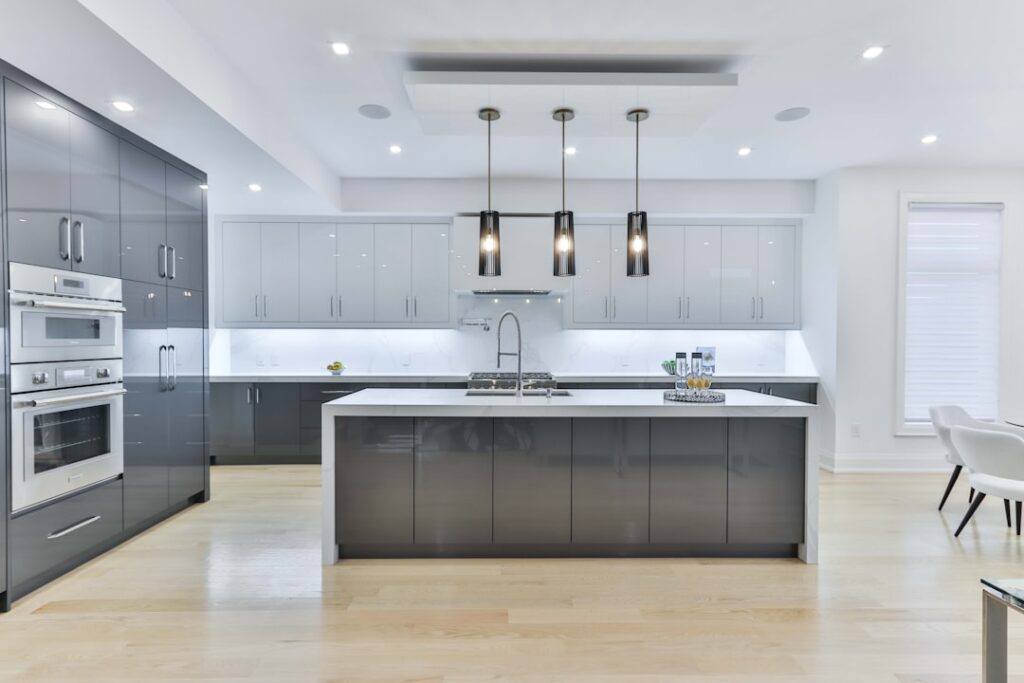
Stand in a dated kitchen and your eye lands on the cabinets first — and replacing them entirely can swallow half of a remodel budget before you have touched the countertops. So what does refacing cabinets mean, and why do so many contractors suggest it as a smarter middle path? In short, refacing keeps your existing cabinet boxes in place while swapping out everything you actually see: the doors, drawer fronts, and the thin exterior surfaces. The result looks like a brand-new kitchen for a fraction of the cost and demolition. This guide explains exactly what the process involves, what it costs, and when it makes sense.
Part of our Kitchen Remodeling guide — explore the full guide →
The Definition in Plain Terms
Refacing is a cosmetic overhaul of your cabinetry that leaves the structural boxes untouched. Those boxes — the frames bolted to your walls and floor — are usually still perfectly sound even in kitchens that look tired. During a reface, the installer removes the old doors and drawer fronts, then applies a new veneer or laminate skin to the visible face frames and end panels. Finally, they hang new doors and drawer fronts in your chosen style and color.
Think of it like reupholstering a sturdy sofa instead of buying a new one. The bones stay; the surfaces change completely. When it is done well, no one can tell the difference between a refaced kitchen and a fully replaced one.
What Actually Gets Replaced
A complete refacing job touches more than just doors. Here is what a typical project includes:
- New doors and drawer fronts in your selected door style, material, and finish.
- New veneer or rigid laminate applied over the existing face frames, the strips of wood you see between and around the doors.
- Matching end panels on exposed cabinet sides so the new look wraps the whole run.
- New hardware — hinges, drawer slides, knobs, and pulls. Most refacers upgrade to soft-close hinges and slides at this stage.
- Optional add-ons like new molding, a toe-kick cover, glass door inserts, or pull-out organizers inside existing boxes.
What does not change is the layout. Refacing keeps your cabinets exactly where they are, in the same configuration. If you want to move a wall of cabinets or add an island, that is a remodel, not a reface.
Refacing vs. Replacing vs. Painting
Homeowners usually weigh three options, and each lands at a different price and effort level.
Refacing
Costs typically run $4,000 to $10,000 for an average kitchen, depending on the size and the door material you choose. Most jobs finish in two to four days. You keep your layout and your boxes, and you skip the dust and disruption of full demolition.
Full Replacement
Tearing out and installing new cabinets runs $8,000 to $25,000 or more and takes weeks. It is the only choice if your boxes are water-damaged, sagging, or if you want to change the layout. You also get the chance to upgrade box construction from particleboard to plywood.
Painting
The cheapest option at $1,000 to $4,000, painting refreshes the color but keeps your existing door styles and any wear or damage in the wood. It is ideal when you like your door profiles and just want a different color.
How the Process Works, Step by Step
Knowing the sequence helps you set expectations for the timeline and the mess. A standard reface follows this path:
- Measurement and design. A specialist measures every opening and helps you pick door styles, materials, and finishes.
- Removal. The crew takes off old doors, drawer fronts, and hardware, exposing the bare face frames.
- Surface prep. They clean, sand, and degloss the frames so the new veneer adheres properly.
- Veneer application. New wood veneer or laminate is glued and pressed onto the frames and end panels.
- Hanging new fronts. Doors and drawer fronts go on with new hinges and slides, then get adjusted for perfect alignment.
- Finishing touches. Hardware, molding, and any accessories are installed, and everything is checked for fit.
When Refacing Makes Sense — and When It Does Not
Refacing is the right call when your cabinet boxes are structurally solid, you are happy with your kitchen’s layout, and you mainly want a fresh look. It shines in kitchens with quality solid-wood or plywood boxes that simply have dated doors and worn finishes. Because it generates far less waste and disruption, you can often keep using the kitchen during the project.
It is the wrong call in a few situations. Skip refacing if your boxes are made of swollen, crumbling particleboard, if they show water damage or mold, or if the frames are no longer square. Also skip it if you want a different footprint — more cabinets, a relocated sink, or an added pantry. In those cases, the money is better spent on replacement, since you would be putting beautiful new doors on failing boxes.
Material Choices That Affect Cost and Longevity
The door and veneer material you pick drives both the look and the price. Rigid thermofoil (a vinyl-wrapped MDF) is the budget-friendly choice and resists moisture well, though it can be damaged by high heat near ovens. Wood veneer over real doors offers an authentic grain and can be stained, but costs more. Solid wood doors are the premium tier — durable and refinishable, but the heaviest hit to the budget. Laminate sits in the middle, with excellent durability and a huge range of colors and patterns.
The Bottom Line
So, what does refacing cabinets mean for your home? It means a dramatic visual transformation that keeps your sound cabinet boxes, your layout, and a large chunk of your budget intact. For homeowners with quality boxes and a layout they already like, refacing delivers roughly 80 percent of the visual impact of a full replacement at a fraction of the cost and disruption. Get two or three quotes, inspect your boxes honestly, and you will know quickly whether refacing is the smart move for your kitchen.